

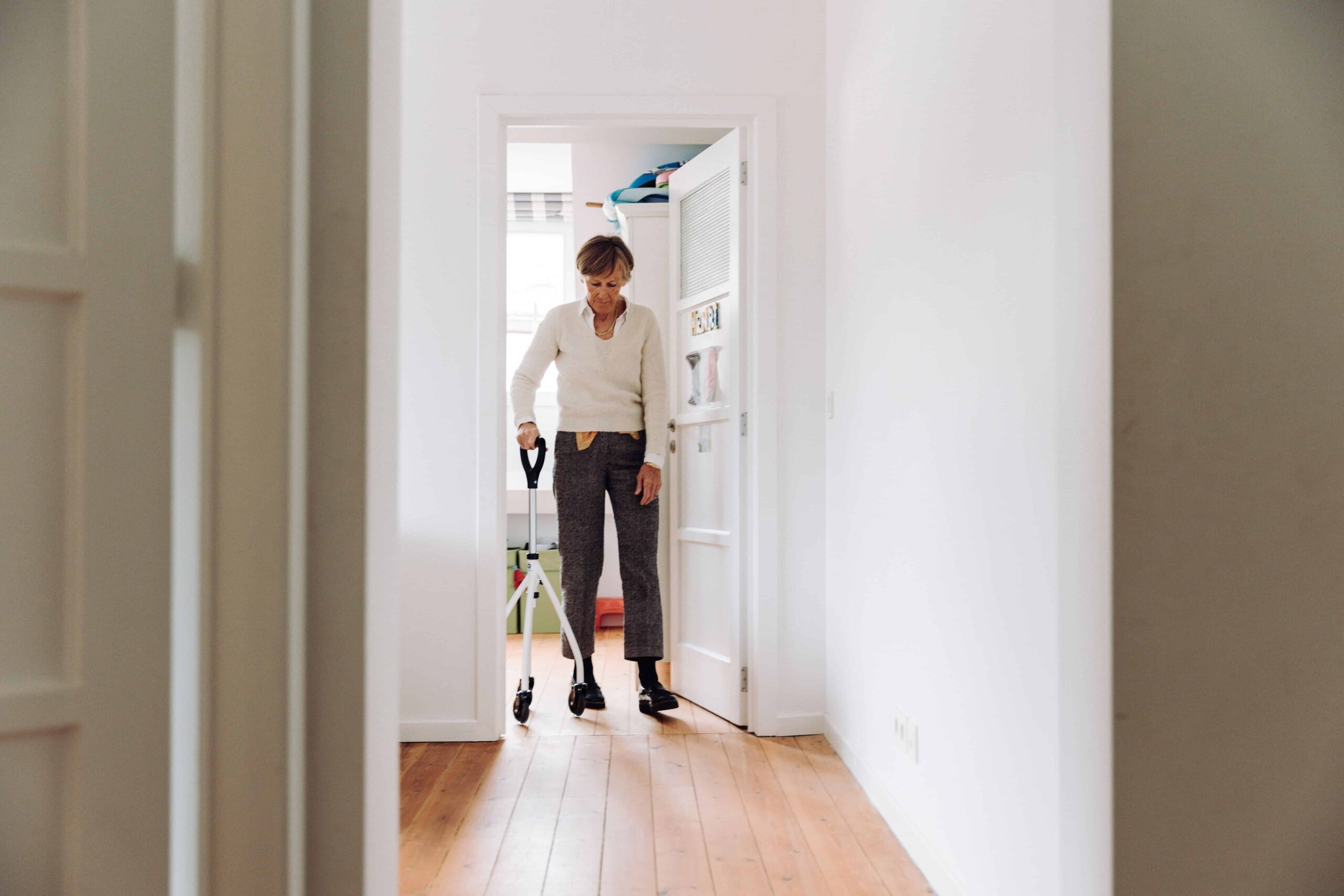
Real estate open houses aren’t places people expect to sustain injuries, let alone serious ones. Even so, people can and do get hurt when visiting a house or condominium they’re looking to buy. When that happens, you may need a personal injury lawyer’s help and expertise to get proper compensation.
What Kinds of Injuries Can You Get at an Open House?
One of the most common open house injuries is a commonplace injury in any home. Slippery floors and staircases can make you slip and fall. Sometimes, this only leads to bruises, but other people may experience sprains, broken bones, twisted ankles or even head injuries if they’re unlucky in their landings.
In the same vein, inadequate lighting can also cause people to fall or walk into a wall. Uneven floors, loose rugs and broken tiles can also lead to falls, particularly for people who may already have mobility challenges. Broken stairs are also a potential risk for falls. Unsecured cords are also a significant fall hazard, particularly for people with mobility aids. If you’re visiting a home with a pool or other type of water feature, you may, through no fault of your own, fall into it, causing injury and a risk of potential drowning.
Some homeowners or house staging crews like to add small touches to make a house look more home-like. However, these touches can include lighting the fireplace or lighting candles. Although the risk of a full fire is fairly low, people can still get burnt from candle wax or a loose ember.
Other injuries that are less likely include scalding from hot water, which happens when the water heater’s set at too high of a temperature, or unsecured objects falling from high places such as cabinets.
Who’s Responsible for Your Injury?
If you go to an open house, you’re considered an invitee of the homeowner whether the homeowner is present for the occasion or not. That means, in legal terms, that the homeowner invited you to their home for their own purposes. In this case, the purpose is to sell their home to you.
In most cases, that means the homeowner is responsible for fixing any defects and securing anything that may cause injury or death. If they can’t do so, they’re required to give you proper warning. If, for example, the homeowner’s pet were to run out and attack you, they would be responsible since they were aware of the risk and didn’t do enough to address it.
On the other hand, there are incidents where the realtor is responsible rather than the homeowner. Realtors will often seize the initiative by moving furniture or appliances around to make rooms look better while the homeowner is away.
They may also create other dangers while staging a home without letting you know in advance. For example, they may mop the floor before you show up and not tell you about it until you’ve already slipped. Alternatively, they may know the dangers that the homeowner left behind and omit telling you.
At the same time, however, many states have case law stating that realtors and real estate agencies aren’t responsible for open house injuries if they’re not physically present. Make sure you know where your state’s law stands in this matter.
Professional staging companies are often hired to make houses look good. Not only will they move furniture, but they may also rent other items to give a good impression. If one of these items falls on a person or causes a trip hazard, then that company can be held liable for your injury.
There are also parties involved in selling houses you might not normally think about. If you’ve been to an open house with a party-like atmosphere complete with snacks and music, that open house is, more often than not, set up by an event planning company or a professional party planning company rather than by the homeowner themselves. Property management companies are usually seen as a tool for landlords and their rentals, but many homeowners hire them, too. If either of these firms caused the conditions that led to your injury, they may also be held liable.
What Should You Do?
If you’re a homeowner, you should make sure that any potential risks are either eliminated or disclosed. If you can fix the uneven floors in your house or secure your pool by installing a gate, be sure to do so before putting your house on the market. If you can’t do so yourself, have a professional come in for you. Let your realtor and the potential buyer know about anything that could cause injury before they come through your door.
Secure your rugs and make sure that all your lights have been recently replaced. If you or your realtor hire a staging firm, make sure that they know where your furniture should go and where not to place additional objects. Tell them where you want people to go so they won’t obstruct pathways through rooms.
If, on the other hand, you’re injured during an open house, you need to seek the help of a qualified personal injury lawyer like the attorneys at Owen, Owen & Smith. They can help you contact the homeowner’s insurance company, and they can help you determine if the homeowner, the real estate firm or any other group should be held liable for your injury. Before you do any of that, however, make sure you follow your doctor’s instructions and get well.