

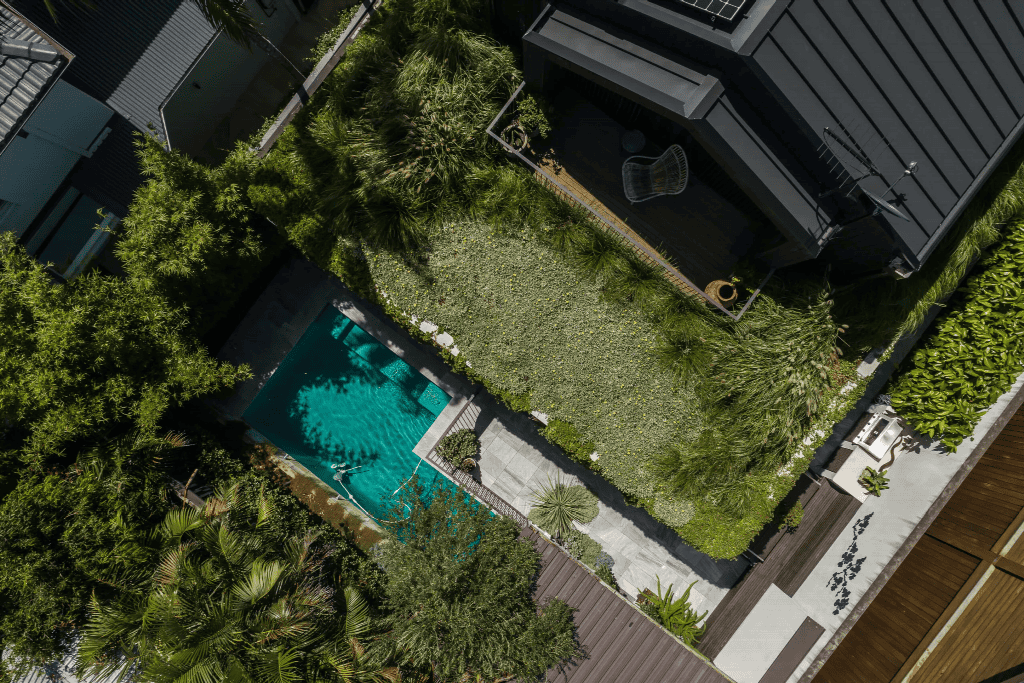
Living near the coast offers many advantages, from beautiful ocean views and refreshing sea breezes to opportunities for outdoor entertaining and relaxation. However, coastal properties also present unique landscaping challenges that homeowners should consider before designing or renovating their outdoor spaces. Salt exposure, strong winds, sandy soils and changing weather conditions can affect plant growth, construction materials and the long-term performance of landscape features. Without careful planning, these environmental factors may lead to damaged vegetation, premature material deterioration and ongoing maintenance problems. Creating a successful coastal landscape requires a design that responds to the surrounding environment while providing an attractive and functional outdoor area.
For homeowners along Sydney’s Northern Beaches, understanding local coastal conditions is an important part of landscape planning. Properties near the ocean may experience greater exposure to salt spray, wind and sandy ground conditions than homes further inland. Working with experienced landscaping professionals, such as Lux Landscapes on the Northern Beaches, can help homeowners explore suitable design options, materials and planting strategies for their properties. By considering environmental exposure, drainage, plant selection and ongoing maintenance, property owners can create outdoor spaces that complement coastal surroundings while remaining practical and enjoyable throughout the year.
Understanding the Challenges of Coastal Landscaping
Coastal environments can place additional demands on gardens and outdoor structures compared with properties located further inland. One of the most significant challenges is exposure to salt carried by ocean winds. Salt spray can settle on plant leaves, garden surfaces and construction materials, potentially causing damage over time. Some plants may develop leaf burn, reduced growth or other signs of stress when exposed to excessive salt. Similarly, certain metals and finishes may deteriorate more quickly in coastal conditions, making material selection an important part of the landscaping process.
Wind exposure is another factor that can influence coastal landscape design. Strong or persistent winds may damage delicate plants, dry out soil and make outdoor entertaining areas less comfortable. Properties positioned on elevated land or close to open beaches can be particularly exposed. Coastal soils may also present challenges because sandy ground often drains quickly and may have limited nutrient-holding capacity. These conditions can make it difficult for some plants to establish healthy root systems without appropriate soil preparation. Understanding the combined effects of wind, salt, soil and sunlight helps homeowners make informed decisions about their landscape design and avoid features that may struggle in the surrounding environment.
Choosing Plants That Can Tolerate Coastal Conditions
Selecting suitable plants is one of the most important considerations when landscaping a coastal property. Plants that thrive in sheltered suburban gardens may struggle when exposed to strong winds, salt spray and sandy soils. Coastal landscaping should therefore prioritise species that can tolerate the conditions present on the property. Native and locally adapted plants are often useful choices because some have natural characteristics that help them cope with challenging coastal environments. However, not all native plants are suitable for exposed coastal locations, so individual growing requirements should always be considered.
Plant selection should also account for the property’s layout, sunlight exposure and available growing space. For example, hardy shrubs and ground covers may be suitable for exposed garden beds, while taller plants can provide screening and shelter in appropriate locations. Species such as coastal rosemary, pigface and certain banksias may be considered for suitable Sydney coastal gardens, depending on site conditions and mature growth requirements. Grouping plants with similar water and maintenance needs can also improve garden management. Homeowners should consider how plants will develop over time, particularly their mature height, root systems and potential impact on nearby structures. Choosing appropriate vegetation from the beginning helps create a healthier landscape that requires fewer replacements and remains visually appealing throughout the seasons.
Selecting Durable Materials for Coastal Outdoor Spaces
Landscaping materials used near the ocean must withstand environmental conditions that can accelerate deterioration. Salt exposure, moisture, sunlight and wind-driven debris can affect paving, decking, retaining walls, fencing and outdoor fixtures. Materials that perform well in sheltered environments may require additional protection or more frequent maintenance when installed close to the coast. For this reason, homeowners should consider durability and suitability alongside appearance when selecting materials for their outdoor spaces.
Natural stone, concrete pavers, suitable composite decking and appropriately treated timber may be considered for coastal landscaping projects. However, performance depends on the specific product, installation method and level of environmental exposure. Metal fixtures, fasteners and structural components require particular attention because salt-laden air can accelerate corrosion. Marine-grade materials or suitable protective finishes may be necessary in highly exposed locations. Outdoor surfaces should also provide appropriate slip resistance, especially around swimming pools, pathways and entertaining areas. Regular cleaning and maintenance can help preserve the appearance and condition of installed features. By selecting materials suited to coastal conditions, homeowners can reduce premature deterioration and support the long-term performance of their landscape investment.
Planning Effective Drainage and Soil Management
Drainage plays an important role in maintaining a healthy and functional coastal landscape. Although sandy soils often allow water to move through quickly, drainage conditions can vary significantly depending on soil composition, ground levels and existing construction. Some coastal properties may experience rapid drying, while others may have areas where water accumulates after heavy rainfall. Poor drainage can contribute to erosion, unstable surfaces, damaged garden beds and moisture problems around buildings. Assessing how water moves across the property should therefore be part of the initial landscape planning process.
Soil improvement may also be necessary to support healthy plant growth. Sandy soils can have limited capacity to retain moisture and nutrients, making regular watering and appropriate soil management important. Adding suitable organic matter and mulch can help improve moisture retention in garden beds, although the correct approach depends on the existing soil conditions and plant requirements. Irrigation systems can also help deliver water efficiently, particularly during warmer or drier periods. Where slopes or exposed areas create erosion risks, landscaping solutions may include ground covers, retaining structures or other stabilisation measures. These features should be designed according to site conditions and relevant engineering requirements. Effective drainage and soil management help protect landscape features while creating more suitable growing conditions for plants.
Designing Outdoor Areas That Provide Wind Protection
Outdoor living is a major part of coastal lifestyles, but strong winds can reduce the comfort and usability of patios, decks and entertaining areas. Wind exposure should be considered when determining the placement of seating, dining spaces and other outdoor features. A location that receives excellent sunlight and ocean views may also experience persistent winds that make it less comfortable during certain times of the year. Understanding prevailing wind directions and seasonal conditions can help homeowners identify suitable areas for outdoor activities.
Landscape design can incorporate several features to improve wind protection without completely blocking natural airflow. Strategically positioned planting, privacy screens, pergolas and appropriately designed fencing may help reduce exposure in selected areas. However, solid barriers can sometimes create turbulence or increase wind pressure, so their placement and construction require careful consideration. Layered planting with suitable shrubs and trees may provide a more gradual transition between exposed and sheltered spaces. Homeowners should also consider how wind protection features affect sunlight, views and neighbouring properties. The aim is to create comfortable outdoor environments that remain connected to the coastal setting. Thoughtful positioning of landscape elements can make entertaining areas more practical while maintaining the open and relaxed character often associated with coastal homes.
Considering Council Regulations and Environmental Restrictions
Coastal landscaping projects may be subject to planning requirements that influence what can be constructed or modified on a property. Depending on the location and proposed works, restrictions may apply to retaining walls, tree removal, excavation, drainage modifications and structures near property boundaries. Some properties may also be affected by coastal management controls, heritage considerations or environmental protection requirements. These regulations are intended to manage development impacts and protect surrounding land, infrastructure and natural environments.
Homeowners should review applicable council requirements before beginning significant landscaping work. Across Sydney’s Northern Beaches, planning considerations can vary depending on the property’s location, zoning and environmental characteristics. Work involving substantial changes to ground levels, drainage or structural features may require additional assessments or professional documentation. Properties near sensitive coastal environments may also need to consider erosion, vegetation protection and stormwater management. It is important not to assume that landscaping work is automatically exempt from approval simply because it takes place within a residential garden. Consulting relevant authorities and qualified professionals during the planning stage can help identify potential restrictions and reduce the risk of delays or costly modifications. Understanding these requirements supports a more organised construction process and helps ensure the proposed landscape is appropriate for its location.
Maintaining a Coastal Landscape Over the Long Term
Coastal landscapes require ongoing care to remain healthy, attractive and functional. Even when suitable plants and durable materials are selected, exposure to salt, wind and changing weather conditions can gradually affect outdoor features. Regular maintenance helps identify potential problems before they become more serious. Tasks may include removing salt deposits from suitable surfaces, checking irrigation systems, maintaining garden beds and inspecting outdoor structures for signs of deterioration.
Plant maintenance should reflect the needs of the selected species and the conditions of the property. Some coastal plants may require additional watering while establishing, while others may need occasional pruning to maintain healthy growth and prevent overcrowding. Mulching can help conserve soil moisture and reduce weed growth, particularly in exposed garden beds. Hard landscaping features should also be inspected periodically, especially metal fixtures, timber structures and drainage systems. Homeowners who prefer lower-maintenance outdoor spaces should consider these responsibilities during the initial design process. Choosing appropriate plants, accessible garden layouts and durable materials can help reduce ongoing maintenance demands. A well-planned maintenance approach supports the long-term appearance and performance of the landscape while allowing homeowners to spend more time enjoying their outdoor environment.
Conclusion
Landscaping a coastal property requires careful consideration of the environmental conditions that influence plant growth, material durability and outdoor comfort. Salt exposure, strong winds, sandy soils and drainage requirements can all affect the success of a landscaping project. Choosing suitable vegetation, durable construction materials and practical design features helps create outdoor spaces that respond to these challenges. Council regulations, environmental restrictions and long-term maintenance requirements should also be considered before construction begins to reduce unexpected complications and support a more efficient landscaping process.
For homeowners along Sydney’s Northern Beaches, thoughtful landscape planning can help create outdoor areas that complement the surrounding coastal environment while meeting everyday lifestyle needs. Whether designing a new garden, upgrading an existing backyard or developing an outdoor entertaining space, understanding the property’s specific conditions is essential. Seeking professional advice where appropriate can help homeowners make informed decisions about design, construction and maintenance. With suitable planning and careful material selection, a coastal landscape can provide an attractive, functional and enjoyable outdoor environment for years to come.