

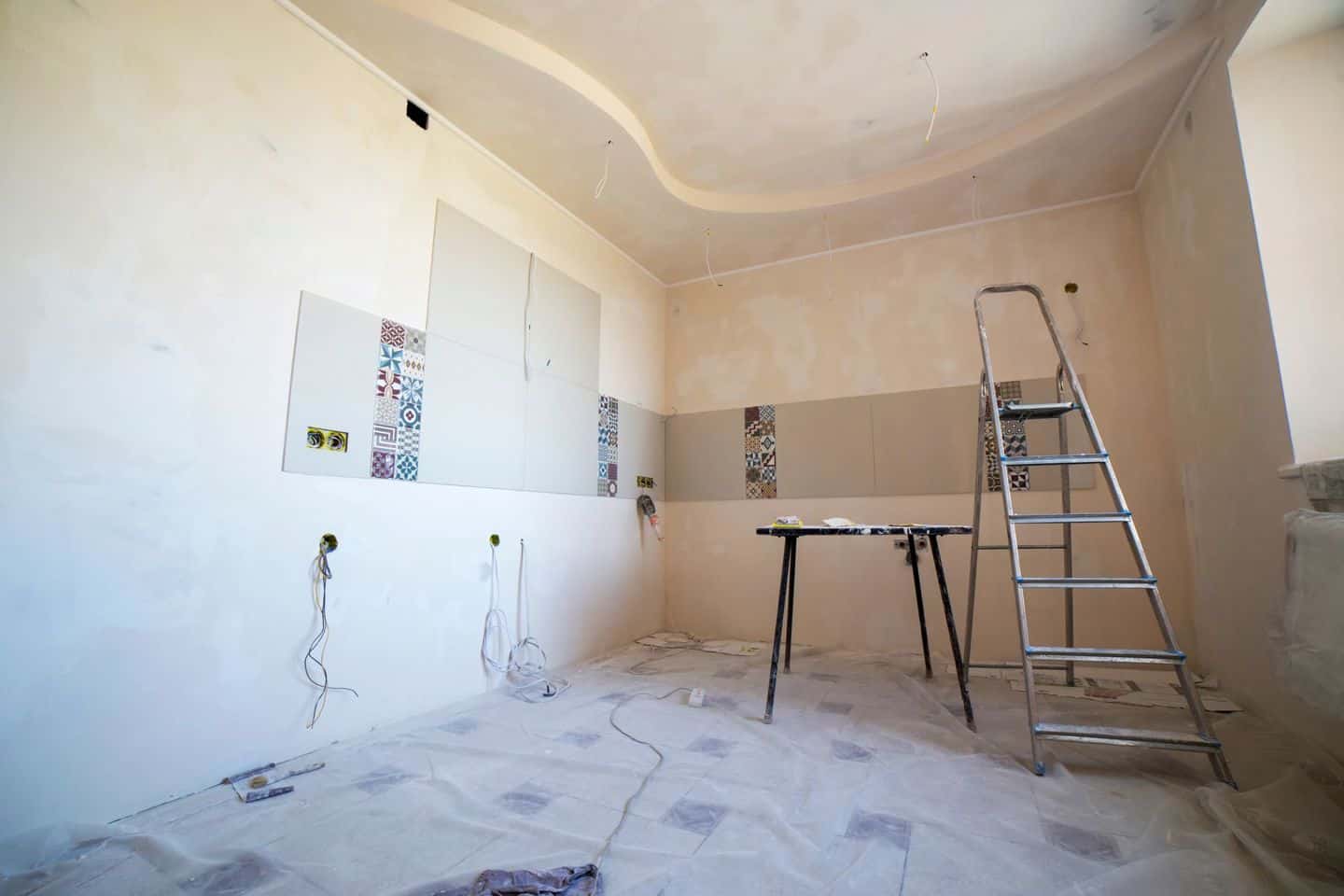
Giving your rental property a makeover can be a great way to improve its appeal and attract tenants. But before you get started, it’s worth understanding how renovation costs are treated for tax purposes and when you may be able to claim depreciation deductions.
If you’re planning to renovate a rental, you’ve probably already started thinking about contractors, materials, budgets and the work that needs doing. But have you considered how those improvements will affect your taxes? This is something you need to think about.
Treat Each Project Component Separately
When you start renovating a rental property, it’s easy to think of the work as one big project. You might hire a contractor to update the kitchen, replace the flooring, improve the electrical systems and give the outdoor space a fresh look. However, when it comes to depreciation, you shouldn’t automatically treat all these expenses as one asset.
The IRS generally allows residential rental buildings to be depreciated over 27.5 years. Structural components are usually included in this schedule, while certain other assets have shorter recovery periods.
Imagine you’re updating an apartment before putting it back on the rental market. Your renovation includes new kitchen appliances, replacement carpets, electrical improvements and a new fence. Although everything is part of the same project, each item may have a different depreciation treatment.
If your rental includes commercial space, such as a ground-floor shop or office, it’s worth asking your accountant about qualified improvement property options, which apply to interior improvements in nonresidential buildings. There is more to understand about depreciation and property than meets the eye, and having a trusty accountant in your corner can really help.
Match Records to Physical Property Components
Once you’ve worked out what needs to be renovated, pay attention to the paperwork that comes with the project. Keeping detailed invoices and receipts might not be the most exciting part of being a landlord but it can make a real difference when it’s time to review your depreciation deductions.
For example, if your contractor gives you an invoice that simply says “complete apartment renovation,” you won’t have much detail to work with later. Instead, ask for a breakdown showing the costs of the new cabinets, appliances, flooring, lighting and plumbing fixtures.
As you go through the renovation, try to keep hold of:
- Itemized contractor invoices showing exactly what work was completed.
- Receipts for appliances, fixtures and building materials.
- Construction plans and project specifications.
- Records showing when each improvement was ready for use.
- Payment documents linking expenses to the relevant project.
These details help connect each expense to the physical component installed or replaced. If you’re renovating several areas of the property at different times, keeping the costs separate will also make future tax reviews easier.
Consider Financing When Setting Project Scope
Before committing to a renovation, take a closer look at how you’re going to pay for it. Your available cash, financing arrangements and expected rental income all play a part in deciding how much work you can comfortably take on.
Mortgage rates are another factor worth considering. The average 30-year fixed mortgage rate was 6.17% in the comparable late-October period of 2025, compared with 7.24% for the week ending October 29, 2026.
Why should you think about this when planning improvements? Because financing costs can influence how you approach the project and how quickly you expect to recover your investment.
Plan for Different Recovery Periods
One thing you should remember when renovating a rental is that not every improvement follows the same depreciation schedule. The type of asset, how it’s used and the applicable tax rules all influence how the expense is recovered.
It’s also important to understand the difference between repairs and improvements. Routine repairs and maintenance, such as fixing a leak or repainting a room, can generally be deducted in the year they’re paid. However, improvements that better, restore or adapt the property to a new or different use must generally be capitalized and depreciated over time.
The date each improvement is placed in service also matters. Generally, depreciation begins when an asset is ready and available for its intended use, not simply when you pay the contractor or receive the invoice.
Having your renovation costs properly organized makes these conversations around rental renovation depreciation much easier. Your CPA can review which items may qualify for shorter recovery periods, look at cost segregation options and how the deductions fit into your overall tax position.
Use Project Budgets to Prompt Classification
Your renovation budget isn’t just there to help you keep spending under control. It can also give you an early indication of which expenses need closer attention when you’re reviewing depreciation.
When putting your budget together, consider separating structural work, appliances, furnishings, flooring and exterior improvements into individual sections. You can also ask your contractor to provide itemized estimates so you know exactly where each part of your budget is going.
Finally, don’t leave all this paperwork until tax season. Trying to remember which expenses belonged to which part of a renovation months after the work is finished can make the process much more involved.