

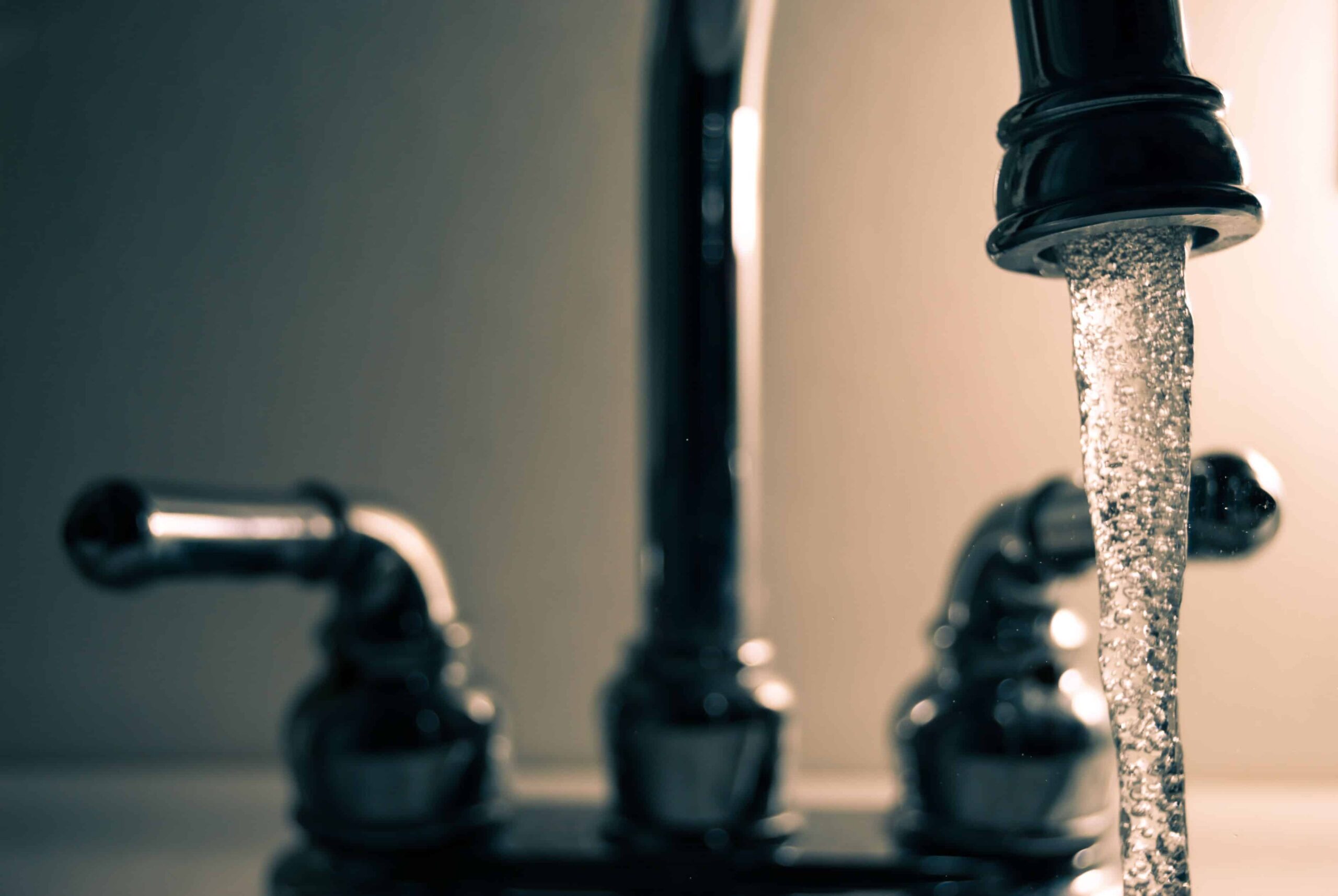
Household plumbing systems work continuously to supply clean water, remove wastewater and support everyday activities such as cooking, cleaning and bathing. Most of the pipes, fittings and connections that make these systems function are hidden behind walls, beneath floors or underground. Because they are rarely visible, plumbing components can gradually deteriorate without homeowners noticing the changes. Over time, ageing materials, corrosion, water pressure fluctuations and general wear can affect the reliability of a property’s plumbing system. Recognising early warning signs can help prevent minor issues from developing into expensive repairs or unexpected water damage.
Homes throughout Nowra and the wider Shoalhaven region vary in age, construction methods and plumbing materials. Older properties may contain pipework that has been in service for decades, while newer homes can still experience problems caused by installation defects, damaged fittings or environmental conditions. Homeowners who notice unusual plumbing behaviour can consult residential plumbing specialists serving the Shoalhaven to assess potential problems and determine whether repairs or upgrades are necessary. Understanding the common signs of plumbing deterioration can help property owners maintain reliable water supplies and reduce the likelihood of unexpected disruptions.
Understanding Why Household Plumbing Deteriorates
Plumbing systems contain numerous components that experience regular exposure to water, pressure changes, temperature fluctuations and everyday use. Pipes, valves, seals and connections can gradually wear as these conditions affect their materials. The rate of deterioration depends on several factors, including pipe age, installation quality, water chemistry and operating conditions. Some plumbing materials are more susceptible to corrosion, while others may experience problems associated with movement, heat or physical damage.
External conditions can also influence plumbing performance. Soil movement may place stress on underground pipes, while poorly supported pipework can experience vibration or movement during water use. Older plumbing installations may have materials or connection methods that differ from current standards. However, age alone does not determine whether a plumbing system needs replacement. Some older pipes remain serviceable, while newer installations can develop faults unexpectedly. Regular observation and appropriate inspections are useful for identifying actual deterioration rather than assuming that every ageing component requires immediate replacement.
Recognising Changes in Household Water Pressure
Changes in water pressure can be an early indication that something is affecting the household plumbing system. Homeowners may notice that showers produce weaker water flow, taps take longer to fill containers or several fixtures lose pressure when used simultaneously. Although minor pressure variations can occur for different reasons, persistent changes should not be ignored.
Reduced water flow may result from partially closed valves, blocked tap aerators, faulty pressure regulators or restrictions within the pipework. Corrosion and mineral deposits can gradually reduce the internal diameter of certain pipes, limiting water movement. Hidden leaks may also contribute to pressure problems, particularly when significant amounts of water escape before reaching household fixtures. However, supply network issues can produce similar symptoms, so low pressure does not automatically indicate deteriorating pipes. Homeowners should observe whether the problem affects one fixture or the entire property. A licensed plumber can assess the system and determine whether the issue involves an individual fitting, internal plumbing or the incoming water supply.
Identifying Discoloured Water and Pipe Corrosion
Changes in water colour can sometimes indicate problems involving plumbing materials or the water supply. Brown, yellow or reddish water may contain suspended sediment or corrosion particles, while unusual tastes or odours can also raise concerns about water quality. These changes may be more noticeable when taps are first turned on after a period of inactivity.
Corrosion can develop in certain metallic pipes when chemical reactions gradually affect the internal surfaces. Over time, this may contribute to restricted water flow, weakened pipe walls or leaks. However, discoloured water can also result from maintenance activities or disturbances within the public water supply network. Homeowners should avoid assuming that the cause is internal pipe corrosion without further investigation. If discolouration persists, affects drinking water or occurs alongside other plumbing problems, the water supplier and a licensed plumber may need to be contacted. Appropriate testing can help determine whether the issue involves water quality, internal pipework or external supply conditions. Replacing pipes without identifying the cause may not resolve the underlying problem.
Detecting Hidden Leaks Around Walls and Floors
Hidden water leaks are among the more concerning signs of plumbing deterioration because they can damage building materials before becoming obvious. Pipes installed behind walls, beneath flooring or within ceiling spaces may develop small leaks that gradually release moisture into surrounding structures. These leaks can remain undetected until visible damage appears.
Common warning signs include unexplained damp patches, peeling paint, swollen skirting boards, stained ceilings and persistent musty odours. Flooring may also become warped or discoloured when moisture accumulates beneath the surface. An unexplained increase in water usage can provide another clue, although changes in household habits should also be considered. Homeowners can check accessible plumbing connections and monitor their water meter when fixtures are not being used, but concealed leaks often require professional detection equipment. Moisture meters, acoustic testing and other diagnostic methods may help locate the problem without unnecessary demolition. Investigating suspected leaks early can reduce the extent of water damage and help protect surrounding building materials.
Understanding Unusual Noises From Water Pipes
Household plumbing systems can produce occasional sounds during normal operation, particularly when water begins flowing or hot water pipes expand as temperatures change. However, persistent banging, rattling, whistling or vibrating noises may indicate that components are not functioning as intended. Changes in plumbing sounds can provide useful clues about pressure conditions, pipe support and the operation of valves.
Water hammer is one possible cause of loud banging noises. It occurs when flowing water stops or changes direction suddenly, creating a pressure surge within the pipework. Poorly secured pipes may also vibrate or move when taps and appliances operate. Whistling sounds can sometimes be associated with restrictions or worn valve components. Although these symptoms do not always indicate serious deterioration, repeated pressure surges and excessive movement can place additional stress on plumbing connections. Homeowners should note when the sounds occur and which fixtures are operating at the time. A plumber can investigate whether the cause involves water pressure, pipe supports, valves or another component requiring attention.
Knowing When Plumbing Fixtures and Connections Need Attention
Plumbing deterioration does not only affect pipes hidden within the building. Visible fixtures and connections can also develop problems as seals, washers, cartridges and other components wear over time. Dripping taps, leaking flexible hoses, stiff isolation valves and moisture around plumbing fittings may indicate that maintenance or replacement is needed.
Flexible water connectors deserve particular attention because they are commonly installed beneath sinks, behind toilets and around household appliances. Damaged or deteriorating connectors can fail and release substantial amounts of water. Homeowners should visually inspect accessible hoses for corrosion, fraying, bulging or visible leakage without twisting or disturbing the connections. Taps that continue dripping after being turned off may require internal components to be replaced, while leaking isolation valves should be assessed before they become difficult to operate during an emergency. Not every worn fixture requires complete replacement, and some problems can be resolved through straightforward repairs. A qualified plumber can determine whether individual components remain serviceable or whether replacement is the more appropriate option.
Why Professional Plumbing Inspections Help Prevent Major Problems
A professional plumbing inspection can help identify deterioration that may not be obvious during everyday household use. Rather than waiting for a burst pipe or major leak, homeowners can arrange an assessment when they notice recurring problems or have concerns about ageing plumbing. Inspections may be particularly useful before renovations, property purchases or significant changes to household water usage.
Depending on the property’s condition, a plumber may inspect accessible pipework, assess water pressure, examine fixtures and investigate reported leaks. Additional testing may be recommended when there are signs of concealed damage or drainage problems. The findings can help homeowners prioritise repairs according to urgency and condition rather than replacing components unnecessarily. Some issues may require immediate attention, while others can be monitored or included in future maintenance planning. Homeowners should also ask about the location and operation of their main water isolation valve so they can respond quickly if a major leak occurs. Understanding the condition of the plumbing system supports informed maintenance decisions and can help reduce avoidable disruptions.
Conclusion
Household plumbing deterioration often develops gradually, with early symptoms appearing before a major failure occurs. Changes in water pressure, discoloured water, hidden moisture, unusual pipe noises and leaking fixtures can all indicate that parts of the plumbing system require attention. Although these symptoms have several possible causes, recognising them early allows homeowners to investigate problems before they become more serious.
Maintaining reliable household plumbing involves regular observation, appropriate maintenance and professional assessment when necessary. Homeowners should avoid attempting complex repairs without the required qualifications, particularly when dealing with concealed pipes or pressurised water connections. By understanding the warning signs of deteriorating plumbing and addressing identified faults promptly, property owners can protect their homes from unnecessary water damage and maintain safer, more dependable plumbing systems over time.