

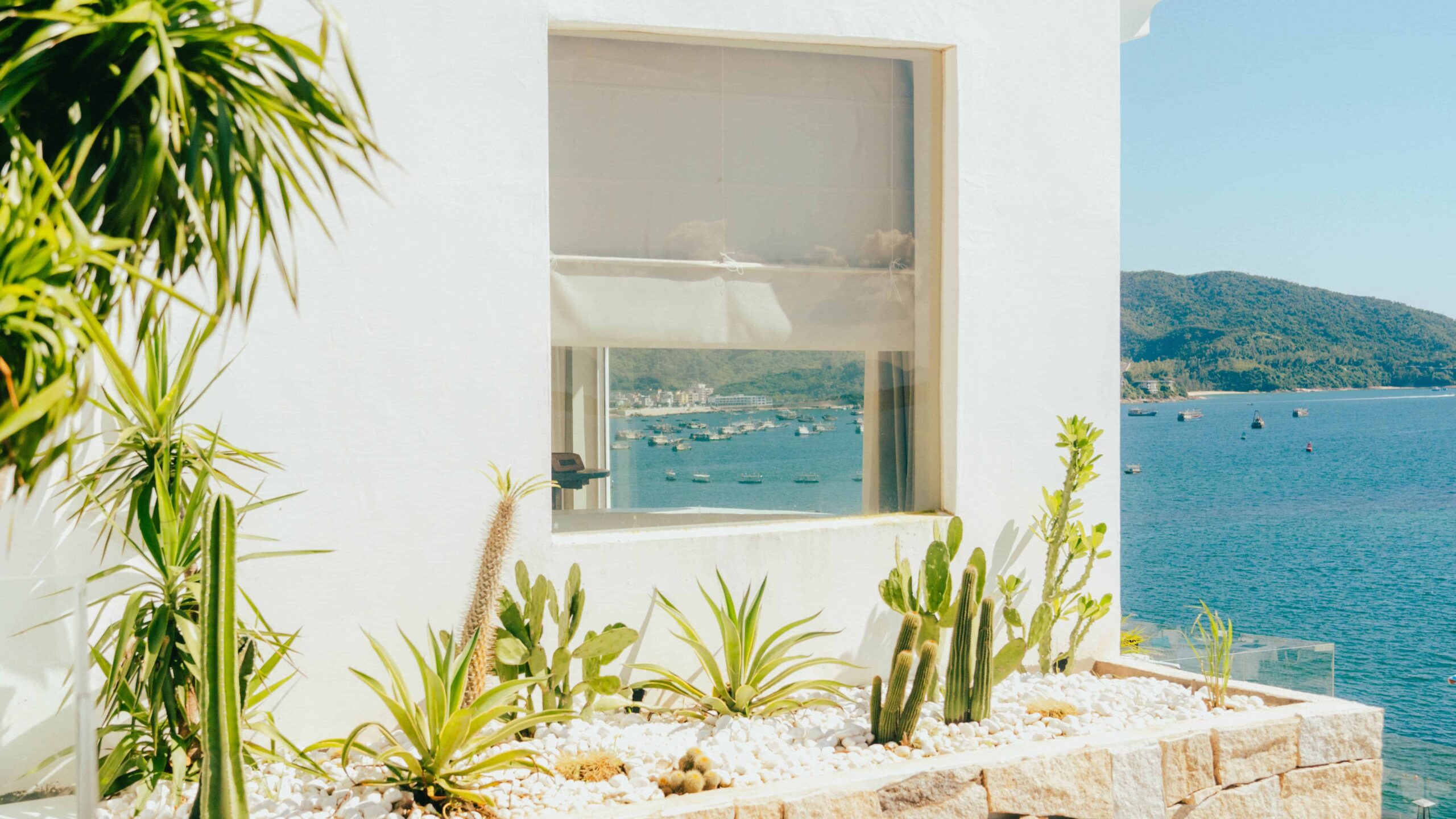
Living near the coast offers many advantages, including access to beaches, natural scenery and opportunities for outdoor recreation. However, coastal properties can also face environmental conditions that influence how homes should be maintained, renovated and improved. Salt-laden air, strong winds, moisture and changing weather patterns can affect building materials and exposed structures over time. For homeowners planning renovations, understanding these conditions is important when selecting materials, designing outdoor spaces and deciding which improvements should take priority. A well-planned project can improve everyday comfort while helping the property withstand its surrounding environment.
Sydney’s Northern Beaches contains a mixture of established houses, modern coastal residences and properties that have undergone multiple renovations. Homes in suburbs such as Newport, Avalon Beach and Mona Vale may require different improvements depending on their age, location, construction and exposure to coastal conditions. Homeowners considering renovations, outdoor upgrades or essential repairs can explore Newport and Northern Beaches services by Grand Solution Projects to understand the building and maintenance options available for their properties. Taking a practical approach to renovation planning can help ensure that improvements suit both the household’s lifestyle and the long-term needs of the building.
Understanding the Needs of Coastal Properties
Coastal environments can place additional demands on residential buildings because of their exposure to moisture, salt and changing weather conditions. Airborne salt can contribute to corrosion in susceptible metal components, while wind-driven rain may affect poorly protected building joints and external surfaces. Properties located close to exposed coastal areas may experience different conditions from homes situated further inland or sheltered by surrounding buildings.
Before planning improvements, homeowners should consider how their property’s location influences maintenance requirements. Exposed balconies, decks, windows, doors and roof components may need particular attention because they experience regular contact with the outdoor environment. Building orientation, prevailing winds and surrounding vegetation can also affect how moisture and sunlight interact with the property. Understanding these conditions helps homeowners make more informed decisions about materials, finishes and construction methods. Rather than choosing improvements based entirely on appearance, it is useful to consider how each feature will perform throughout the year.
Assessing the Condition of Your Existing Home
A successful renovation begins with understanding the current condition of the property. Older coastal homes may contain building materials that have experienced decades of exposure to moisture, weather and general wear. Before investing in cosmetic improvements, homeowners should identify any underlying issues that could affect the durability or safety of the proposed work.
Common areas requiring assessment include roofing, external cladding, timber structures, windows, doors and drainage systems. Signs such as peeling paint, persistent dampness, timber deterioration and corrosion around metal fittings may indicate that repairs are necessary. However, visible symptoms do not always reveal the full extent of a problem. Moisture appearing inside a wall, for example, may originate from a different location where water is entering the building. A qualified building professional can help determine whether existing components are suitable for renovation or require repair or replacement. Addressing structural and moisture-related concerns before installing new finishes can reduce the likelihood of repeated work and unexpected expenses.
Choosing Materials Suited to Coastal Environments
Material selection plays an important role in the performance and maintenance requirements of coastal homes. Building products exposed to salt, moisture and sunlight should be chosen according to their intended application and environmental conditions. Materials that perform well in sheltered locations may require additional protection when installed in highly exposed areas.
For example, external metal fixings and fittings may need appropriate corrosion resistance, while timber used outdoors should be suitable for its exposure and protected through correct detailing and maintenance. Some composite products, fibre cement materials and specially finished metals may offer practical alternatives depending on the project. However, no material is completely maintenance-free, and suitability depends on factors such as installation quality, product specifications and proximity to the coast. Homeowners should consider durability, appearance, maintenance requirements and long-term replacement costs when comparing options. Following manufacturer recommendations and relevant building standards helps ensure that selected materials are appropriate for their intended use.
Improving Indoor and Outdoor Living Areas
Outdoor living is an important consideration for many Sydney coastal households. Decks, patios, pergolas and covered entertaining areas can provide additional space for relaxing, dining and spending time with family. When designed thoughtfully, these features can create a more practical connection between indoor rooms and surrounding outdoor areas.
Planning should begin with how the household intends to use the space. A deck designed for occasional seating may have different requirements from an area intended for regular entertaining or outdoor dining. Sun exposure, privacy, wind direction and access from the home can all influence the layout. Homeowners should also consider drainage, structural support and the maintenance needs of exposed materials. Depending on the size and nature of the project, council approval or other building requirements may apply. Working through these considerations before construction begins can help avoid layouts that look appealing but are uncomfortable or difficult to maintain during everyday use.
Planning Window and Door Improvements
Windows and doors influence natural light, ventilation, security and the overall comfort of a home. In coastal properties, they also provide an important barrier against wind and rain. Older frames, damaged seals and poorly functioning hardware can affect performance, particularly during periods of severe weather.
When planning replacements, homeowners should consider the orientation of each opening, the desired ventilation and the property’s exposure to weather. Larger windows may improve natural light and outdoor views, but glazing selection, shading and thermal performance should also be assessed. Doors leading to decks or balconies should provide convenient access while maintaining suitable weather protection. Coastal conditions may influence the choice of frame materials, hardware and finishes. Correct installation is equally important because poorly sealed openings can allow moisture to enter surrounding building materials. A qualified professional can help assess whether existing windows and doors can be repaired or whether replacement would better support the renovation’s objectives.
Considering Drainage, Waterproofing and Weather Protection
Effective water management is essential when improving a coastal property. Heavy rainfall, wind-driven moisture and inadequate drainage can contribute to water entering buildings or collecting around external structures. Renovations that alter ground levels, rooflines or outdoor surfaces may also change how water moves across the property.
Homeowners should consider drainage and waterproofing requirements during the planning stage rather than treating them as finishing details. Decks, balconies, bathrooms and other moisture-exposed areas require suitable construction methods and waterproofing systems. External paving and landscaped areas should also be designed to manage surface water without directing it towards the building. Where existing moisture problems are present, the source should be identified before new finishes are installed. Waterproofing and drainage work must meet applicable standards and regulatory requirements, with licensed or appropriately qualified tradespeople engaged where required. Proper detailing and installation can help reduce moisture-related damage and support the long-term performance of renovated areas.
Working With Experienced Building Professionals
Coastal renovation projects can involve several trades and technical considerations, particularly when improvements affect structural components, waterproofing or existing building systems. Working with experienced building professionals can help homeowners understand the scope of work, identify potential complications and coordinate different stages of the project.
Before construction begins, homeowners should discuss their priorities, budget and intended outcomes with the relevant professionals. A detailed assessment can help identify which improvements are essential and which may be completed at a later stage. It is also important to clarify the proposed materials, construction methods, estimated timeframes and any required approvals. In NSW, certain residential building work requires appropriately licensed contractors, and larger projects may involve additional planning or certification requirements. Homeowners should confirm these obligations before committing to work. Clear communication and realistic planning can reduce unexpected changes and help ensure that the completed improvements meet practical household needs.
Conclusion
Planning home improvements for coastal living in Sydney requires consideration of both lifestyle preferences and environmental conditions. Salt exposure, moisture, wind and changing weather patterns can influence the durability of building materials and the performance of external structures. Assessing the existing property, selecting suitable products and addressing drainage and weather protection requirements are important steps in creating improvements that remain practical over time.
Whether homeowners are updating an established residence, improving outdoor entertaining areas or replacing ageing building components, careful planning can help achieve more reliable results. Understanding the property’s condition, prioritising necessary repairs and working with qualified professionals can reduce avoidable complications during construction. By balancing appearance, functionality and long-term maintenance, homeowners can create comfortable coastal living spaces that suit their needs and the surrounding environment.