

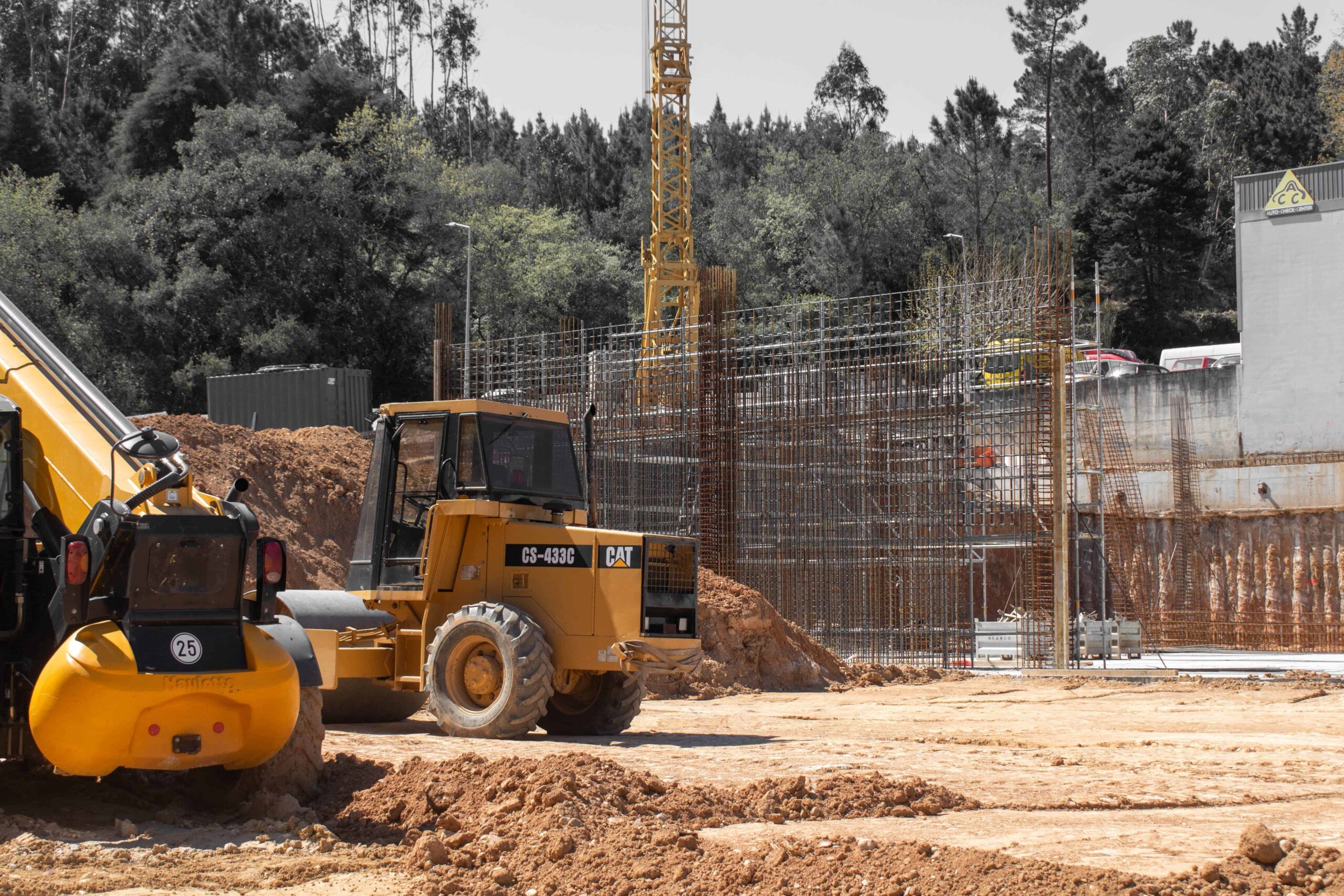
When past basic excavation work a construction project moves, going straight into structural building, handling raw materials turns into an operational challenge that is very big. Moving heavy pallets of lumber, concrete blocks, steel beams, or roofing structures across a job site that is unpaved and uneven demands heavy machinery built specifically for moving items both vertically and horizontally. While a standard forklift coming from an industrial warehouse works fine on a smooth concrete floor, on a raw development site it gets stuck fast, tips over, or sinks down into deep mud. This exact reason explains why the specialized category of rough-terrain material handlers becomes an asset that is essential for your work.
Lifting and placing massive bulk material loads with success needs a deep understanding of machine leverage, weight distribution, and reach numbers before touching any control levers. Data about fleet allocation gathered by industrial logistics hubs like Sniper Rentals shows that putting a heavy-duty 12,000-pound capacity telehandler to work speeds up cycle times significantly, while manual labor fatigue goes down dramatically. Changing your logistical strategy from smaller machines that are overworked to a purpose-built telescopic lift ensures your staging area stays safe, organized, and running with high efficiency.
What is a Telehandler? The Anatomy of a Telescopic Forklift
A telehandler—which is short for telescopic handler—essentially represents a hybrid of engineering that brings together lifting forks from a standard forklift and extendable reach coming from a hydraulic crane boom arm.
To understand how a high-capacity model operates when heavy working loads are placed on top of it, looking at the four main physical sections helps show where this machine gets its incredible capability from:
- The Rough-Terrain Chassis: Built with large tires that deep tread have and with foam or air are filled, plus four-wheel drive and active systems for frame leveling, this base lets the machine travel across rutted mud, deep gravel, and uneven slopes with safety.
- The Telescopic Boom: Extending forward and upward from the machine’s rear side, this multi-stage hydraulic arm allows operators to put materials high inside building frames with multiple stories or deep over obstacles that exist already.
- The Front Stabilizers (Outriggers): These heavy hydraulic feet extend down and press hard into the ground right at the front side of the machine. Making the equipment’s physical footprint much wider, they transfer the forward load weight down into the ground safely.
- The Attachment Carriage: Positioned right at the tip of the boom arm, this quick-attach interface usually holds heavy-duty pallet forks, but switching to material buckets, lifting hooks, or work platforms is also possible depending on what task needed is.
The Golden Rule of Lifting: Deciphering the Load Capacity Chart
The most dangerous mistake a beginner operator can make with a telehandler is thinking the machine lifts its maximum rated capacity (like 12,000 pounds) no matter what angle or extension length used is. In physics, leverage works like a force multiplier; the further away a load gets pushed from the machine’s center, the heavier against the chassis structure it acts.
Inside the operator’s cab, a detailed chart showing load capacity maps out safe lifting zones using a simple grid system that depends on two distinct operating variables:
1. The Boom Extension Length
When extending the boom arm outward hydraulically you do, the forward center of gravity for the machine moves. A telehandler that easily picks up a six-ton pallet right next to its front bumper might only be safely rated for two thousand pounds when fifty feet forward the arm stretches.
2. The Boom Elevation Angle
Raising a load at a steep, vertical angle keeps that heavy weight closer to the wheel base, keeping everything stable. Lowering the boom arm down toward a flat horizontal position makes the tipping danger go up, which requires the operator to reduce the load weight significantly.
Practical Staging Applications: Reaching Beyond Standard Limits
Because high-capacity telehandlers bring massive raw strength together with wide vertical reach, they replace multiple single-purpose machines in your logistical sequence quickly. Moving heavy, bundled framing lumber directly up to a residential roofline on the third or fourth story with high efficiency is done, placing materials right where carpentry crews need them without intermediate lifts being required.
Also, their forward reach solves a huge headache when bulk deliveries arrive. When a flatbed semi-truck loaded up with steel beams or concrete blocks arrives at a tight, muddy staging area, a telehandler stands on one side of the vehicle and reaches hydraulically all the way across the truck bed to pick up the far-side pallets. Getting rid of needing to turn the truck around or drive through deep mud hazards on the opposite side of the road, this ability accomplishes completely. It also lets the machine work like a compact, highly maneuverable crane, setting heavy mechanical components like industrial HVAC units or electrical generators onto concrete pads under low overhead restrictions with precision.
Vital Safety Protocols for Rough-Terrain Material Handling
Operating a machine of this size demands strict compliance with daily rules on the job site. Because these units handle high-profile lifts on loose dirt frequently, safety awareness stops accidental tip-overs and keeps ground crew members around the area safe.
- Always deploy outriggers on high lifts: Whenever heavy materials to maximum vertical heights are being lifted or the boom arm past several structural stages is extending forward, always lower those front hydraulic stabilizers firmly onto ground that level and stable is, or onto heavy wooden blocking pads. Putting these feet down removes flexible tire suspension from the equation, giving a foundation that rock-solid is.
- Never travel with an elevated load: Traveling across a job site while raised high up in the air the telescopic boom arm should never happen. Carrying a heavy load up high shifts the center of gravity upward, making the machine extremely vulnerable to tipping over if one tire drops into a small pothole or rolls over a stray piece of construction lumber. Always bring the load down to just a few feet above ground level, tilt the forks back slightly so the pallet stays secure, and drive across the site at a speed that is slow and controlled.
Respecting the load charts and understanding your site limitations when you do, a high-capacity telehandler turns a task that is exhausting and high-risk into a smooth, predictable daily routine.