

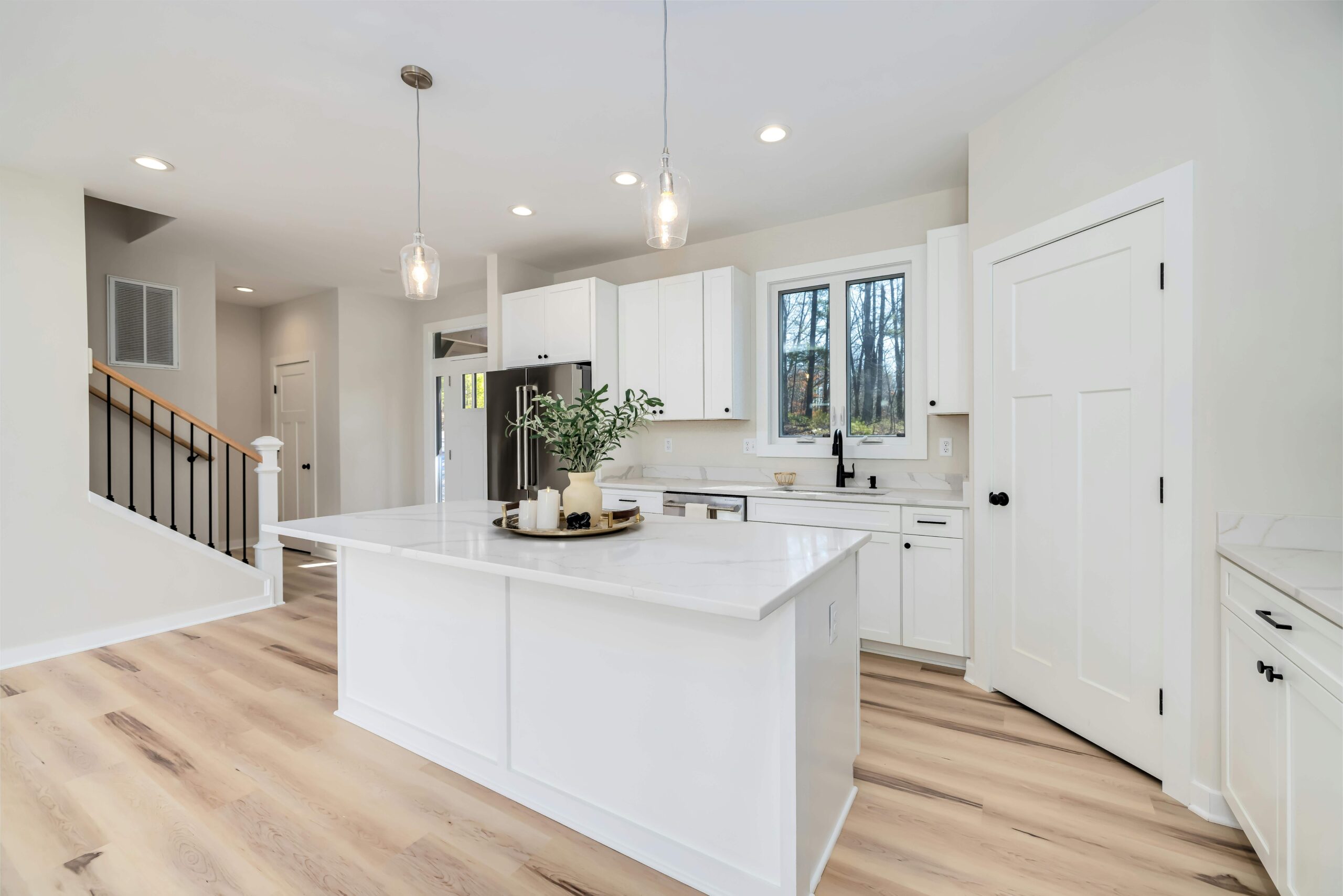
Kitchen remodeling in Thousand Oaks is often the first thing homeowners consider when they want to boost property value without moving.
I remember walking into a dated kitchen with cracked tiles, dim lighting, and cabinets that barely closed.
Within months, that same space turned into a bright, open kitchen with clean lines and better storage, and the resale value jumped far beyond expectations.
That’s the real impact of a well-planned kitchen remodeling Thousand Oaks upgrade.
Why the kitchen drives home value
Buyers don’t just look at square footage anymore.
They walk straight into the kitchen and decide how they feel about the entire home.
A modern layout signals care, functionality, and long-term value.
An outdated kitchen signals extra work and cost.
That difference directly affects offers.
In one case I saw, two nearly identical homes had a price gap of over $60,000, and the only real difference was the kitchen condition.
That tells you everything you need to know.
Smart layout changes that pay off
Most homeowners think cabinets and countertops matter the most, but layout is the real game-changer.
Opening up walls between the kitchen and living area creates flow.
Adding an island gives both workspace and social space.
Improving traffic paths makes the kitchen feel bigger without adding square footage.
I once worked on a project where simply shifting the sink and stove created a more natural work triangle.
The homeowner didn’t add space, but the kitchen suddenly felt twice as functional.
That kind of change adds real value because buyers can feel it immediately.
Cabinets, storage, and everyday usability
Storage is where most kitchens fail.
Old cabinets waste space and make daily tasks frustrating.
Deep drawers, pull-out shelves, and vertical storage solve that problem.
Soft-close hinges and modern finishes also add a subtle luxury feel.
I’ve seen homeowners fall in love with a kitchen just because of how smoothly everything opens and closes.
That experience matters more than people expect.
If a buyer imagines living there comfortably, they’re more likely to pay more.
Countertops and materials that influence perception
Materials don’t just affect durability, they shape perception.
Quartz countertops give a clean, high-end look with low maintenance.
Natural stone adds uniqueness and character.
Even small upgrades like a backsplash can transform the visual impact.
I once saw a plain kitchen completely change after adding a textured tile backsplash.
It became a focal point instead of just a workspace.
These details create emotional appeal, which drives higher offers.
Lighting that changes everything
Lighting is often overlooked, but it’s one of the fastest ways to upgrade a kitchen.
Layered lighting works best.
That means combining ambient, task, and accent lighting.
Under-cabinet lights improve visibility and create depth.
Pendant lights above an island add style and focus.
I once walked into a kitchen that looked dull during the day but came alive at night after proper lighting was installed.
It felt like a completely different space.
That transformation sticks with buyers.
Flooring choices that balance style and durability
Kitchen floors take a beating every day.
Spills, foot traffic, and constant movement demand durability.
Materials like tile or luxury vinyl plank offer both strength and style.
They also mimic natural materials without the high maintenance.
I’ve seen homeowners regret choosing style over durability when floors started showing wear within a year.
A smart choice here prevents future issues and keeps the kitchen looking new longer.
Appliances and energy efficiency
Modern appliances do more than look good.
They improve efficiency and reduce energy costs.
Stainless steel remains popular, but smart appliances are gaining attention.
Features like app control and energy monitoring appeal to tech-savvy buyers.
In one remodel, upgrading appliances alone made the kitchen feel ten years newer.
It’s a simple change with a big impact.
Small upgrades that create big returns
Not every upgrade needs a full renovation.
Sometimes small changes create noticeable value.
Replacing cabinet handles can refresh the entire look.
Updating the faucet can add a modern touch.
Repainting cabinets can make the kitchen feel brand new.
I’ve seen homeowners spend a fraction of a full remodel budget and still get strong returns.
It’s about choosing the right updates.
Real-life transformation story
One homeowner I spoke with hesitated to invest in their kitchen.
They thought buyers would renovate anyway.
After careful planning, they upgraded cabinets, added lighting, and improved layout flow.
When they listed the home, it sold within days.
Multiple offers came in, all above asking price.
The kitchen became the highlight of every showing.
That’s when they realized the investment paid off instantly.
Common mistakes to avoid
Overspending on trends can backfire.
What looks stylish today might feel outdated in a few years.
Ignoring functionality is another mistake.
A beautiful kitchen that doesn’t work well won’t impress buyers.
Poor lighting and cheap materials also reduce long-term value.
I’ve seen projects where cutting corners ended up costing more later.
It’s always better to plan carefully from the start.
How to approach your remodel strategically
Start with a clear goal.
Are you remodeling for resale or personal use?
That decision shapes everything.
Focus on upgrades that balance cost and return.
Prioritize layout, storage, and lighting before aesthetics.
Work with experienced professionals when needed.
And always think from a buyer’s perspective.
If the space feels practical and inviting, you’re on the right track.
Final thoughts on increasing home value
A kitchen remodel is more than a cosmetic update.
It’s a strategic investment in your home’s future.
When done right, it improves daily living and boosts resale value at the same time.
From layout changes to material choices, every decision plays a role.
And the best part is seeing the transformation not just in the space, but in how people respond to it.
That’s where real value is created.