

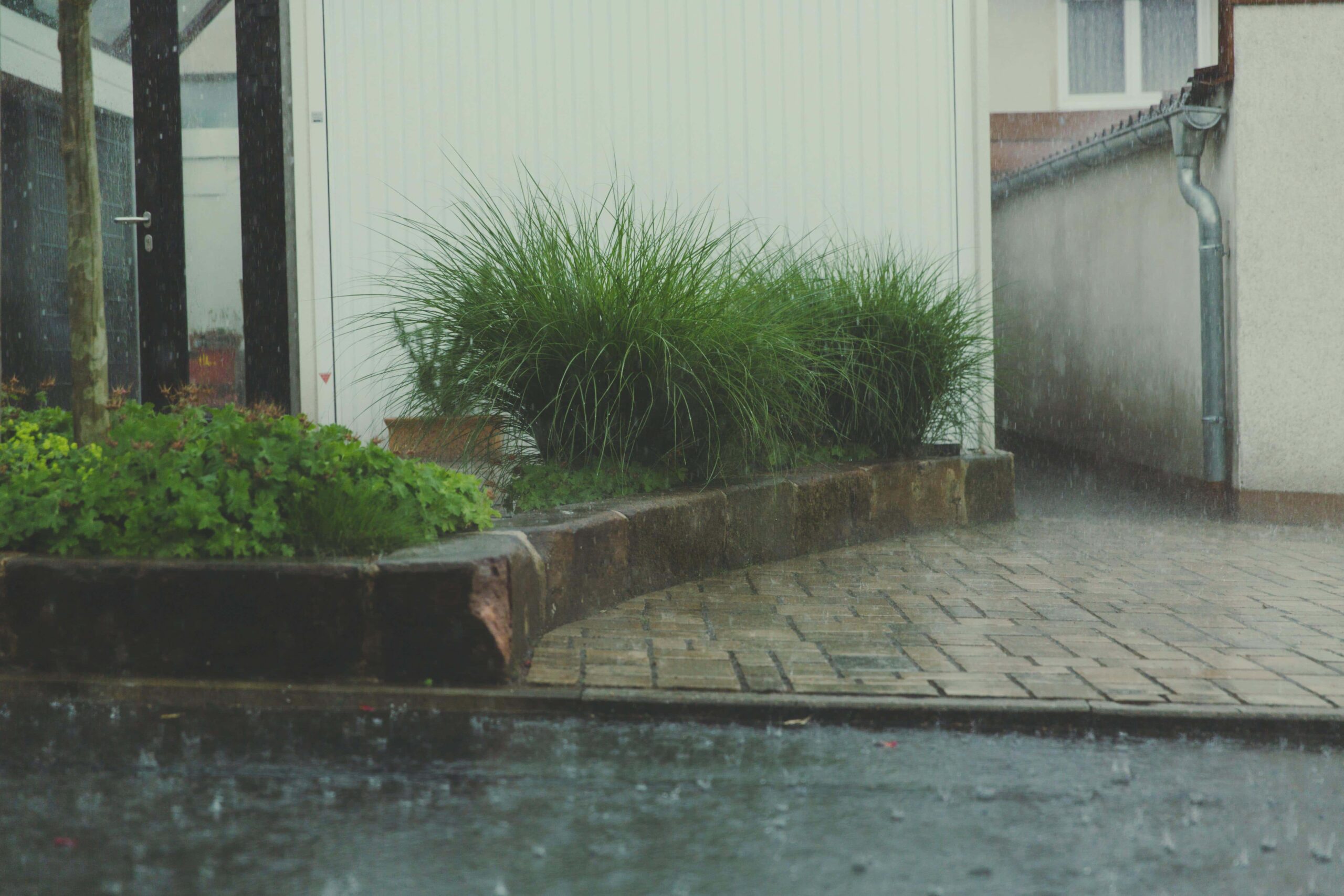
Why Some Homes Develop Foundation Problems After Heavy Rain Seasons
Three straight days of rain will make a homeowner notice things they usually ignore.
The weird, earthy smell in the basement. That tiny crack near the laundry room wall. Water puddling beside the patio like it pays rent there. Suddenly, everyone becomes an amateur meteorologist and structural engineer at the same time. Funny how that works.
A couple of years ago, after one particularly nasty spring storm cycle, I walked downstairs to grab an old extension cord and heard this faint little “tick…tick…” sound behind a storage shelf. Not dramatic. Not movie-worthy. Just enough to make me stop walking. Turns out water had started sneaking through a hairline crack in the basement wall after weeks of relentless rain. I spent the next hour, flashlight in hand, reading about acculevel.com/delaware while pretending I wasn’t mildly panicking.
Heavy rain seasons do something strange to houses. Not all at once, usually. Slowly. Sneakily. Soil changes shape, pressure builds underground, and tiny vulnerabilities become larger structural headaches over time. The frustrating part? Most of it happens where nobody can see.
People think foundations crack because homes get old. Sometimes sure. But prolonged wet seasons are often the real instigator, quietly stirring the pot beneath the surface.
Soil Gets Weird When It’s Soaked Too Long
There’s no elegant way to say this. Wet soil gets pushy.
After repeated storms, the ground around your home absorbs ridiculous amounts of moisture. Certain soils, especially clay-heavy stuff, swell like overcooked oatmeal. That expansion creates pressure on foundation walls from all directions.
Not dramatic pressure at first. More like steady, relentless shoving.
Picture somebody leaning on your shoulder all day long for six months. Eventually, something gives.
Hydrostatic Pressure Sounds Fancy Because Engineers Like Fancy Words
Basically, it means trapped groundwater pressing against basement walls.
That’s it.
But wow, does it matter?
When the soil surrounding your foundation remains saturated, water pressure builds up underground and constantly pushes against the concrete. Tiny cracks become entry points. Weak areas start flexing slightly. Basement walls absorb stress season after season until symptoms begin showing up indoors.
Usually subtly.
A faint crack here. Slight bowing there. Maybe a musty smell that appears after storms, then vanishes again.
Houses whisper before they yell.
Rainfall Patterns Have Changed, and Homes Feel It
Maybe I’m imagining it, but the weather feels weirder now than it did fifteen years ago. Longer rain stretches. More sudden downpours. Storm systems that sit over one area forever, like they forgot where they parked.
Foundations notice that.
Older homes, especially, were built around different assumptions about drainage and seasonal moisture levels. When rain seasons become heavier or more erratic, the soil around foundations experiences stress patterns it may not have handled before.
One brutal rain season won’t necessarily wreck a home. Repeated saturation though? Different story.
Gutters Usually Become Villains By Accident
Nobody wakes up thinking, “Today I’ll inspect my gutters with enthusiasm.”
That’s why clogged gutters quietly wreak havoc on so many homes.
When gutters overflow, roof runoff pours directly beside the foundation instead of moving safely away from the structure. During heavy rain seasons, repeated dumping saturates the same soil repeatedly.
And again.
And again.
Eventually, the ground around the foundation behaves less like stable support and more like pudding with commitment issues.
Tiny Overflow Patterns Become Big Structural Problems
Watch what happens during storms:
- Water spilling over gutter edges
- Soil erosion near the house
- Puddles forming beside the basement walls
- Mulch washing into weird places
Those aren’t harmless cosmetic quirks. They’re drainage clues.
One homeowner on my street ignored overflowing gutters for two years because “the basement looked dry.” Then one spring, his finished basement carpet started bubbling near the walls after several heavy storms. Turns out water had been seeping behind the drywall long before it became visible.
That repair bill probably still haunts him spiritually.
Some Foundations Actually Float Slightly
This surprises people.
Homes don’t remain perfectly motionless forever. Soil shifts naturally over time, especially when moisture conditions change dramatically. During extended rainy periods, oversaturated soil can cause portions of a foundation to settle unevenly.
That uneven movement creates stress fractures throughout the structure.
Which explains why homeowners suddenly notice:
- Doors sticking
- Sloping floors
- Ceiling cracks
- Windows are refusing to open normally
- Baseboards separating slightly
At first, the symptoms seem unrelated. But foundations connect everything.
Your house is basically one giant puzzle balanced on dirt. When the dirt changes, the puzzle reacts.
Basement Walls Take a Beating
Poor basement walls. They spend their entire existence underground absorbing pressure while everyone upstairs argues about paint colors and throw pillows.
Heavy rain seasons are especially rough because basement walls are constantly exposed to moisture from the surrounding saturated soil.
Horizontal Cracks Deserve Respect
Not all cracks are equal.
Vertical hairline cracks sometimes happen during normal settling. Horizontal cracks, though, often indicate serious pressure buildup pushing inward against basement walls.
That’s the kind of thing worth paying attention to early.
Ignoring horizontal cracking is sort of like ignoring chest pain because your calendar’s too busy this week. Technically possible. Not smart.
Drainage Problems Usually Start Outside
This is where things get frustrating because homeowners often focus entirely on indoor symptoms while the actual cause lives outdoors.
Poor grading around the home creates huge problems during rainy seasons.
If your yard slopes toward the house instead of away from it, every storm funnels water directly toward the foundation. Over time, the soil near the basement walls remains constantly saturated.
Landscaping Can Accidentally Trap Moisture
Certain landscaping setups quietly make drainage worse:
- Flower beds packed tightly against walls
- Thick mulch layers holding water
- Decorative edging traps runoff
- Overwatered shrubs
- Patio designs sloping inward
A friend of mine installed gorgeous stone landscaping around his house a few summers ago. Looked incredible. Unfortunately, the design redirected rainwater directly toward the foundation during storms, and his basement suddenly smelled like wet cardboard every spring.
Pinterest never warns people about hydrostatic pressure.
Crawl Spaces Turn Into Humidity Jungles
Crawl spaces don’t get enough sympathy.
They absorb everybody else’s mistakes.
During wet seasons, poor drainage creates moisture buildup beneath the home, which leads to:
- Rotting wood
- Mold growth
- Sagging insulation
- Pest activity
- Humidity spikes indoors
And since most people avoid crawl spaces unless absolutely necessary, problems spread quietly for years before anyone notices.
Honestly, if horror movies were realistic, more scenes would happen in damp crawl spaces beside malfunctioning sump pumps.
Sump Pumps Aren’t Invincible
This one matters more than people think.
During especially wet seasons, sump pumps work overtime removing groundwater from around basement foundations. But systems fail sometimes. Power outages happen. Pumps burn out. Discharge lines clog.
Then things get ugly fast.
A basement can stay perfectly dry for years until a heavy storm overwhelms the drainage system, and suddenly water appears where nobody expected it.
And naturally, this always happens at 1:30 in the morning.
Never noon. Always during thunderstorms when stores are closed, and everyone’s searching for towels like contestants on a bizarre game show.
Freeze-Thaw Cycles Make Everything Worse Later
Heavy rain seasons don’t just affect foundations immediately. They set the stage for future winter damage, too.
When moisture seeps into tiny cracks in the foundation and then freezes during cold weather, the expanding ice widens those openings slightly. Over repeated cycles, small cracks become larger structural weaknesses.
It’s like nature slowly prying apart concrete with invisible crowbars.
Very rude behavior from the atmosphere, honestly.
Tree Roots Complicate Rainfall Problems
Trees add another layer of unpredictability.
During wet seasons, roots absorb moisture unevenly throughout the soil. During droughts, they aggressively pull water from the surrounding ground. This creates fluctuating moisture pockets beneath sections of the foundation.
Which means one part of the house may settle differently from another.
That’s how homeowners end up with floors sloping just enough to make rolling pens drift mysteriously across tables.
Not haunted. Usually.
Sometimes the Warning Signs Feel Ridiculously Minor
This is what tricks people most.
Foundation problems after rainy seasons often begin with symptoms so subtle they seem easy to dismiss:
- Slight musty smells
- Tiny drywall cracks
- One stubborn door
- Damp basement corners
- Small floor shifts
Individually, these don’t feel urgent.
Collectively? Different conversation.
Homes rarely announce structural trouble dramatically in the beginning. The clues accumulate gradually, like background static that nobody notices, until the volume suddenly spikes.
Concrete Isn’t Waterproof Forever
Many homeowners assume that concrete naturally blocks all moisture forever because it feels solid.
Not exactly.
Concrete is porous. Water slowly penetrates vulnerable areas over time, especially under prolonged pressure. Tiny imperfections eventually become moisture pathways.
Then the basement starts feeling damp after storms, and people blame humidity or “old house smell” while the foundation quietly absorbs more stress season after season.
The Emotional Side of Foundation Problems Is Real
Nobody talks about this enough, either.
Structural issues create anxiety because your home is supposed to feel dependable. Stable. Safe. Once you notice signs of foundation movement, every creak suddenly sounds suspicious.
At one point after my basement issue, I convinced myself that the refrigerator’s vibration was due to structural shifting. Turns out the ice maker was malfunctioning, and I desperately needed sleep.
Still though. Foundation worries crawl into your brain weirdly fast.
Prevention Usually Looks Boring
The most effective foundation maintenance habits are painfully unglamorous:
- Cleaning gutters
- Extending downspouts
- Checking yard grading
- Watching drainage during storms
- Monitoring basement humidity
- Sealing minor cracks early
Nobody brags about successful water management systems at barbecues. But those boring maintenance steps prevent massive repair bills down the line.
That’s the trade-off.
Some Homes Are More Vulnerable Than Others
Not every house reacts the same way to heavy rain seasons.
Homes with:
- Expansive clay soil
- Older drainage systems
- Poor grading
- Shallow foundations
- Aging waterproofing
…often experience moisture-related foundation stress faster than others.
This explains why two houses on the same street can survive the same storms very differently.
Nature doesn’t exactly believe in fairness.
Moisture Problems Rarely Fix Themselves
This might be the most important point, honestly.
People wait too long.
They see a small crack or smell dampness after storms and hope it’ll stabilize naturally once the weather changes. Sometimes symptoms temporarily improve during dry periods, but the underlying drainage issues remain.
Then another rainy season arrives, and the cycle starts again.
Only worse.
Final Thoughts While It’s Probably Raining Somewhere
Heavy rain seasons expose weaknesses homes already had quietly brewing beneath the surface. Saturated soil, hydrostatic pressure, poor drainage, and fluctuating moisture conditions all combine to stress foundations slowly over time.
The frustrating part is how ordinary it all seems at first.
A puddle near the patio.
A sticky basement door.
One crack near the laundry room.
Nothing dramatic. Until it is.
So the next time storms roll through for days on end, maybe take a walk around your home afterward. Watch where water collects. Check the gutters. Peek into the basement corners nobody looks at much.
Your foundation has been reacting to every storm long before you noticed it.