

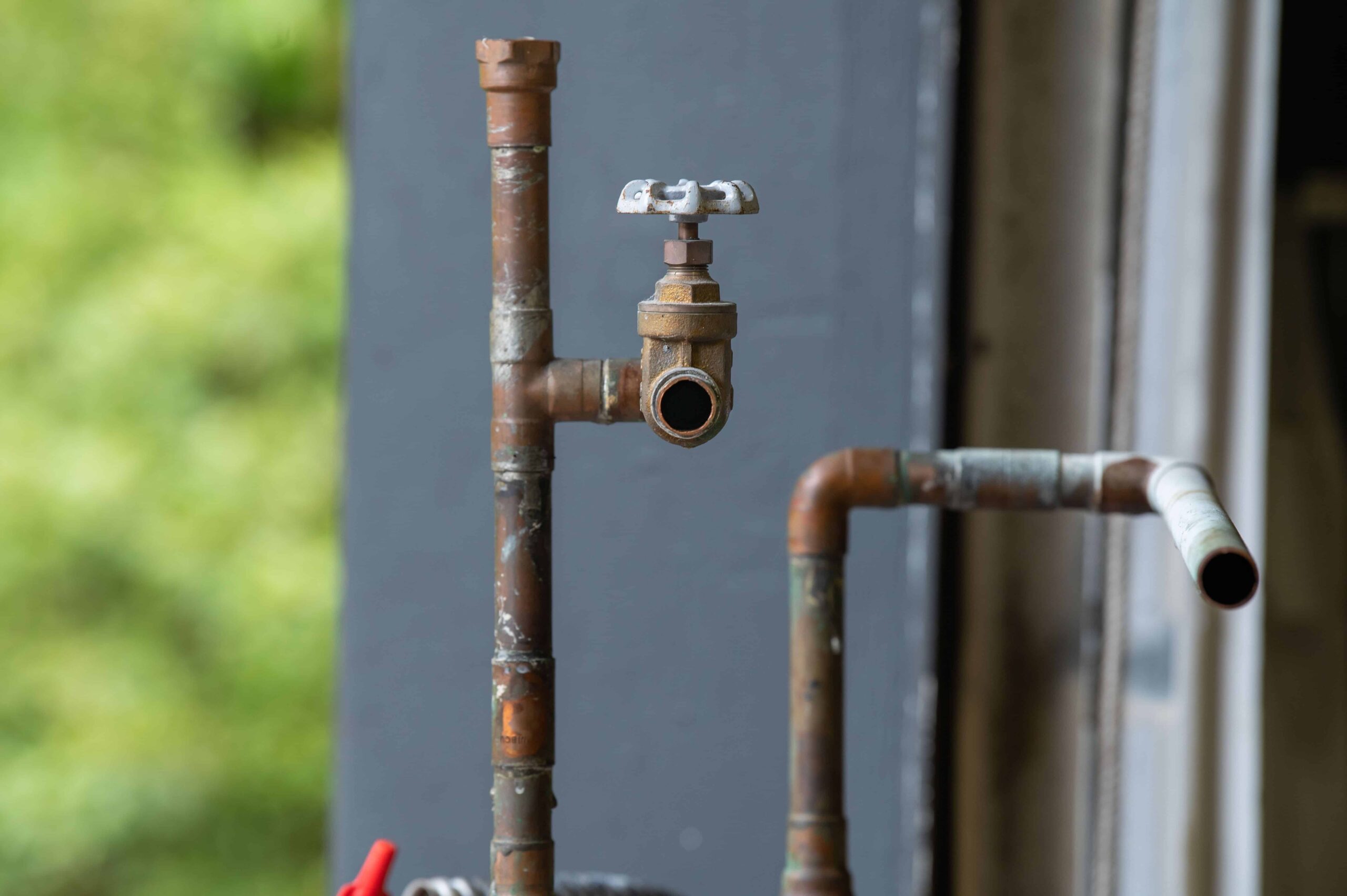
Sydney’s Inner West is known for its established residential neighbourhoods, heritage-style terraces, traditional cottages and older family homes. While these properties offer distinctive architectural features and character, their plumbing systems may not always meet the demands of modern households. Pipes, fixtures and drainage connections installed decades ago can gradually deteriorate or become less suitable for current water usage. As homeowners renovate bathrooms, upgrade kitchens or install additional appliances, existing plumbing infrastructure may require attention to maintain reliable performance and reduce the risk of unexpected problems.
Properties in suburbs such as Marrickville, Newtown, Dulwich Hill and Petersham can contain a mixture of original plumbing materials and newer installations completed during previous renovations. This combination can make it difficult to determine the overall condition of a home’s water supply and drainage systems. Homeowners experiencing recurring leaks, inconsistent water pressure or ageing fixtures can consult a Plumber in Marrickville by FXD Plumbing to assess their plumbing and identify appropriate improvements. Understanding why older homes may require upgrades can help property owners make informed decisions about maintenance, renovations and long-term reliability.
Understanding Plumbing Systems in Older Inner West Homes
Older residential properties were often constructed using plumbing materials and installation methods that differ from those commonly used today. Depending on the property’s age and renovation history, the system may contain copper, galvanised steel, cast iron, clay or various plastic pipes. Some materials remain functional for many years when properly installed and maintained, while others may become more vulnerable to corrosion, cracking or deterioration as they age.
Many established homes have also undergone extensions, bathroom renovations or kitchen upgrades over several decades. These improvements may have introduced newer plumbing components connected to older infrastructure. As a result, different sections of the same property can vary considerably in condition and performance. An updated bathroom does not necessarily mean the pipes beneath the floor or behind the walls have also been replaced. Understanding the materials, layout and history of a plumbing system can help homeowners identify areas that may require further investigation before problems develop.
How Ageing Pipes Can Affect Water Supply and Drainage
Water supply pipes are exposed to regular pressure changes, temperature fluctuations and continuous contact with water. Over time, certain metallic pipes may experience internal corrosion or mineral accumulation that restricts water flow. Homeowners might notice reduced pressure at particular fixtures, discoloured water or recurring leaks around ageing connections. However, these symptoms can also result from other issues, including faulty valves or problems within the public water supply network.
Drainage pipes can experience different forms of deterioration. Older clay or cast iron drains may develop cracks, damaged joints or internal restrictions that interfere with wastewater flow. Ground movement and tree root intrusion can also contribute to drainage problems, particularly where underground pipes have existing defects. Repeated blockages may indicate that cleaning alone will not resolve the underlying issue. A professional inspection can help determine whether the pipe requires maintenance, a localised repair or replacement. Assessing the actual condition of the system is important because not every older pipe needs to be replaced simply because of its age.
Recognising Signs of Outdated Plumbing Fixtures
Plumbing fixtures can become less reliable as internal components wear through everyday use. Older taps may develop persistent drips, toilets may continue running after flushing, and isolation valves can become difficult to operate. Although these problems sometimes appear minor, they can waste water and indicate that seals, washers, cartridges or other components require attention.
Some older fixtures may also use more water than modern water-efficient alternatives. Replacing outdated taps, showerheads and toilets with suitable water-efficient products can help reduce unnecessary consumption without requiring a complete bathroom renovation. In Australia, the Water Efficiency Labelling and Standards scheme provides information that can assist consumers when comparing eligible products. However, replacement fixtures must also be compatible with the property’s existing plumbing arrangements. Homeowners should consider whether repairs are practical before replacing entire fittings. A licensed plumber can assess the condition of fixtures, identify suitable replacement options and ensure installation work meets applicable requirements.
Why Previous Renovations Can Create Plumbing Challenges
Many Inner West homes have been renovated or extended to accommodate changing household needs. While these improvements can increase comfort and functionality, they may also create plumbing challenges when new installations are connected to older systems. Additional bathrooms, laundries and kitchen appliances can change how water is distributed and how wastewater moves through the property.
Problems may arise when existing pipework is unsuitable for the new layout, connections have deteriorated or previous alterations were not completed correctly. For example, relocating a bathroom fixture without adequate consideration of drainage gradients can contribute to poor wastewater flow. Similarly, poorly supported pipes or unsuitable connections may increase the likelihood of leaks. Homeowners planning further renovations should avoid assuming that existing plumbing can automatically accommodate additional fixtures. Reviewing previous work and assessing the current system can help identify potential limitations. Where required, a licensed plumber can recommend alterations that support the proposed renovation while meeting relevant plumbing standards.
Understanding Water Pressure Problems in Established Properties
Water pressure problems can affect homes of different ages, but established properties may have additional factors that influence performance. Older supply pipes, worn valves, internal restrictions and previous plumbing modifications can all contribute to inconsistent water delivery. Homeowners may notice that shower pressure decreases when another tap is turned on or that certain fixtures receive less water than others.
It is important to distinguish between water pressure and water flow because they are related but different measurements. A restriction within a pipe can reduce the amount of water reaching a fixture even when the incoming supply pressure is adequate. Excessive pressure can also place additional stress on fittings, flexible connectors and appliances. A plumber can assess pressure and flow conditions to determine whether the issue involves internal pipework, pressure control equipment or the external supply. Installing larger pipes or replacing fixtures without identifying the cause may not resolve the problem. Accurate testing helps ensure that any recommended upgrade addresses the actual performance issue.
Planning Plumbing Upgrades During Home Improvements
Renovations provide an opportunity to assess plumbing components that are normally difficult to access. When walls, floors or cabinetry are already being opened for construction, homeowners may find it practical to inspect concealed pipes and connections before new finishes are installed. Addressing identified defects during this stage can reduce the likelihood of needing to disturb completed renovation work later.
Plumbing upgrades should be planned alongside the overall renovation design. Moving sinks, toilets, showers or appliances may require changes to water supply lines, drainage connections and ventilation arrangements. Homeowners should discuss these requirements with their builder and licensed plumber before finalising layouts. It is also important to consider future needs, such as additional household members or changes in appliance usage. Not every renovation requires extensive plumbing replacement, but reviewing the condition and capacity of existing systems can help prevent avoidable complications. Coordinating plumbing work with other trades supports a more organised construction process and reduces the risk of unexpected changes during installation.
When Professional Plumbing Inspections Are Necessary
A professional plumbing inspection can be useful when an older home shows recurring problems or when homeowners are uncertain about the condition of concealed infrastructure. Warning signs may include repeated pipe leaks, persistent drainage blockages, unexplained moisture, discoloured water and significant changes in water pressure. These symptoms do not always indicate widespread deterioration, but they justify further investigation when the cause is unclear.
The scope of an inspection depends on the property and the concerns being investigated. A plumber may examine accessible pipework, test water pressure, assess fixtures and inspect drainage connections. CCTV drain cameras or specialised leak detection equipment may be recommended when problems involve underground pipes or concealed water leaks. The findings can help homeowners prioritise work according to urgency, condition and available budget. Some components may need immediate repairs, while others can remain in service with appropriate monitoring. A clear understanding of the plumbing system allows property owners to plan improvements based on evidence rather than replacing functional infrastructure unnecessarily.
Conclusion
Older Inner West homes often contain plumbing systems that have evolved through decades of use, maintenance and renovation. While many original components can remain serviceable, ageing pipes, deteriorating fixtures and modifications completed over time may affect reliability. Changes in water pressure, recurring leaks, drainage problems and outdated fittings can indicate that certain parts of the system require attention.
Plumbing upgrades do not always involve replacing an entire system. In many cases, targeted repairs, improved fixtures and carefully planned alterations can address existing problems while preserving the character of an established home. By recognising warning signs, reviewing plumbing requirements before renovations and arranging professional inspections when necessary, homeowners can maintain dependable water supply and drainage systems while preparing their properties for future needs.