

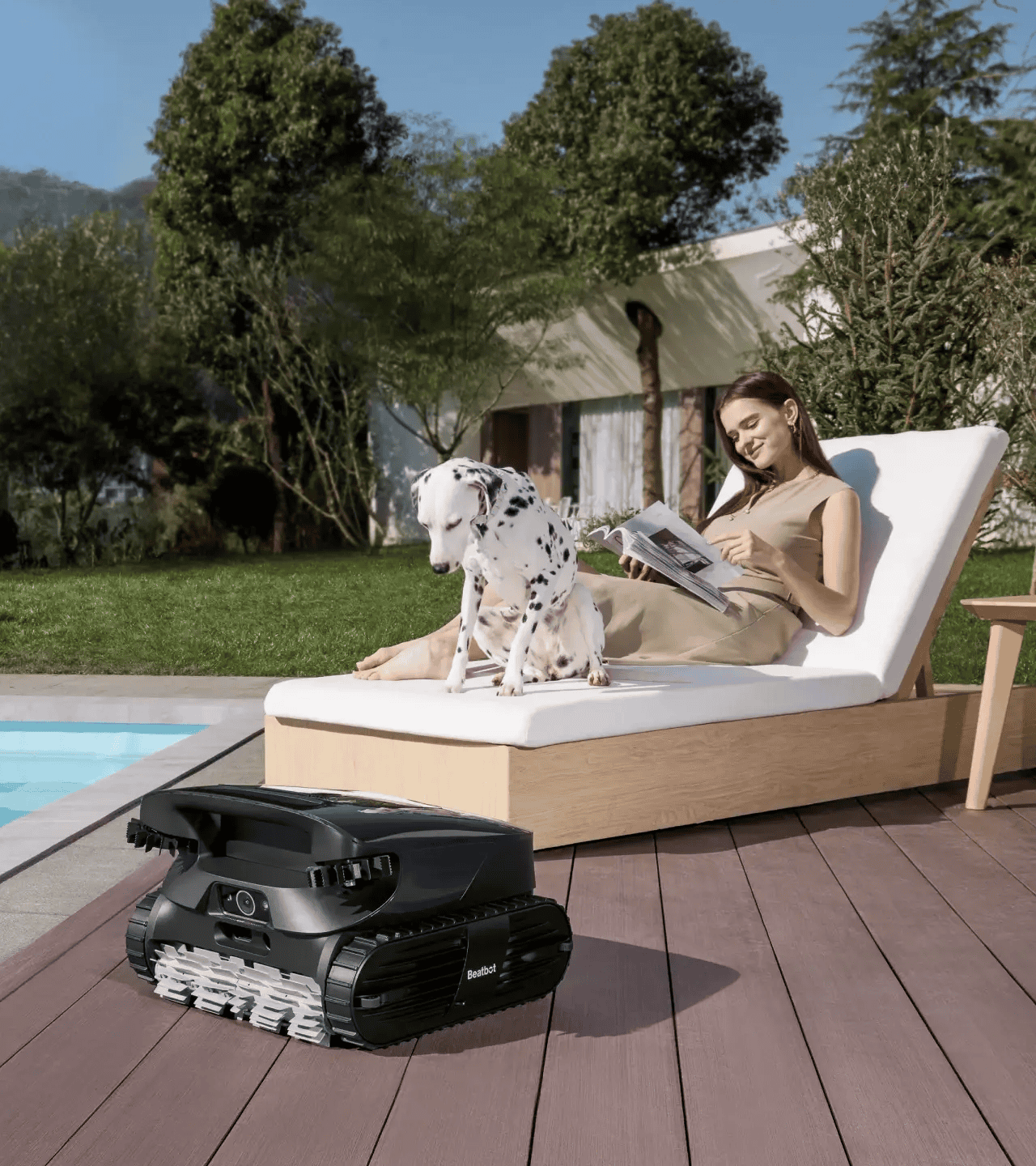
Owning a pool is a hallmark of the American dream, yet for many homeowners, that dream comes with a persistent, manual burden. In 2026, the cost of property ownership is being redefined. It isn’t just about mortgage rates; it is about the “hidden taxes” of maintenance. Traditional pool care—relying on manual labor, suction-side cleaners, and high-energy filtration cycles—is a reactive battle against nature. It is a model that feels increasingly out of place in an era of home efficiency.
The gap between a property that maintains its peak value and one that requires a constant infusion of repair capital often comes down to the systems running in the background. Choosing to move toward autonomous care treats the pool as a self-sustaining part of the estate, ensuring the asset remains a sanctuary rather than a chore.
The Hidden Energy Tax of Legacy Equipment
The low, heavy hum of a high-RPM pump at dusk is often the sound of a financial leak. Historically, homeowners had to run their primary filtration pumps at full capacity for ten hours a day just to power inefficient suction cleaners. These legacy systems follow a random path, often scrubbing the same corner for hours while leaving the center of the pool untouched.
Industry data suggests that a standard 1.5 HP single-speed pump is one of the most power-hungry machines in a home, drawing between 1.8 and 2.2 kWh per hour. When that pump is forced to run full blast to power a manual vacuum, you are paying a significant energy premium. Transitioning to a dedicated pool cleaning robot solves this waste. By decoupling debris collection from the home’s central plumbing, you allow the primary pump to run at a lower, more sustainable frequency. The result is a direct hit on the utility bill, with many residents reporting a 30% reduction in pump-related energy consumption.
Asset Protection and the “Sandpaper Effect”
A swimming pool is likely the most expensive single feature on your property, yet many owners inadvertently accelerate its decay. Fine sand and grit at the bottom of the pool might look harmless. But beneath the feet of swimmers, they act like sandpaper. Every step grinds that silt into the plaster or thins the vinyl liner. This abrasion is the leading cause of premature resurfacing—a five-figure expense that can arrive years earlier than expected.
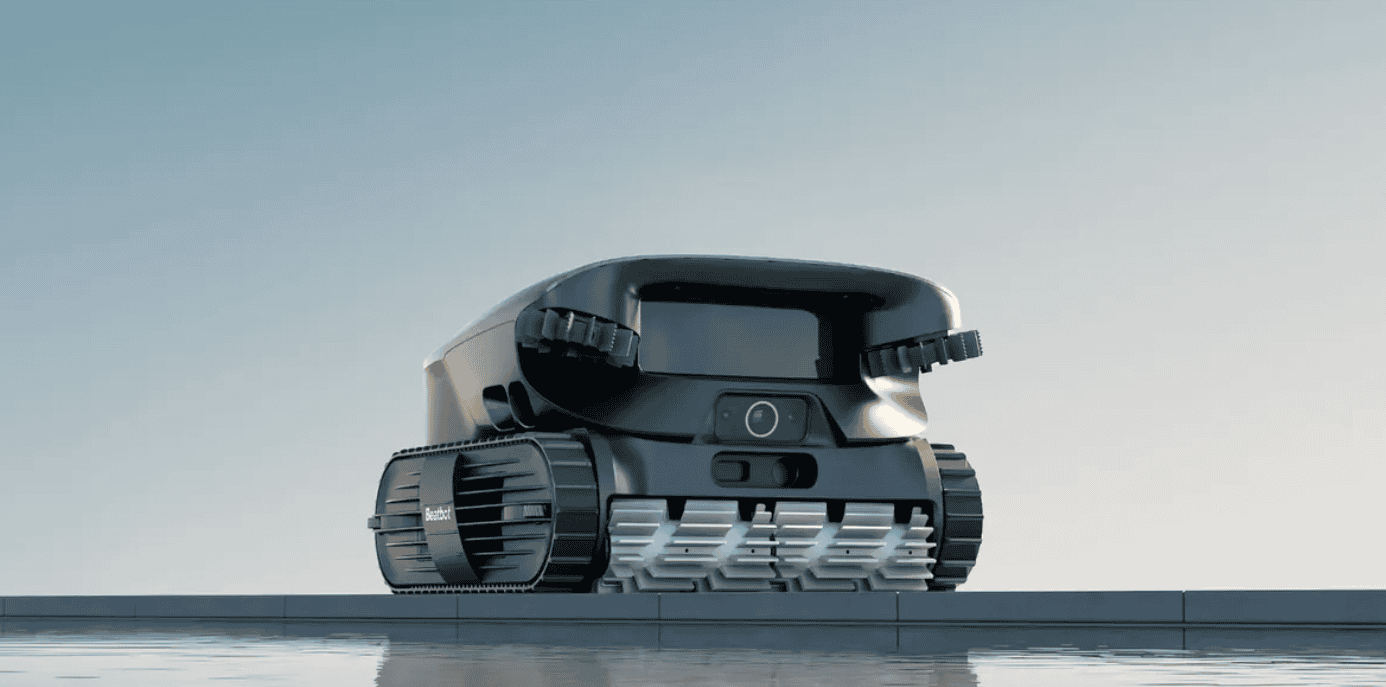
Advanced technology, such as the beatbot aquasense 2 ultra robotic pool cleaner, provides the “micro-maintenance” that prevents this erosion. Unlike random-walk cleaners, these units use sonar-based mapping to navigate the environment with precision. They don’t just pick up leaves; they scrub the waterline where oils and algae first take hold. This prevents the “chalky ring” that eventually stains bespoke tile work. By removing organic matter before it breaks down, you stabilize the water chemistry. This reduces the need for aggressive chemical treatments that can eventually degrade your plumbing and heaters.
Reclaiming Your Saturday Mornings
If a Saturday morning maintenance routine takes three hours of your time, that is a resource you can never replenish. Over a full summer season, the “cost” of manual labor becomes staggering when viewed through the lens of time leverage. Automation is about finishing the job of home management.
The move toward dedicated aquatic intelligence is a decision to prioritize your own life. These systems are designed to be “set-and-forget” tools. They map the pool, execute a surgical clean, and dock themselves while the household sleeps. This ensures the first person to walk out at dawn sees a perfect, diamond-like sheet of blue, unaware of the sonar mapping and intelligent scrubbing that occurred overnight.
Moving Toward Foundational Efficiency
By 2026, the manual pool skimmer is becoming as unnecessary as a manual pump in a modern irrigation system. It simply has no place in a high-performance property. As the technology behind battery density and navigation continues to evolve, the gap between the “manual home” and the “autonomous home” will only widen.
In the modern residential landscape, the homes that maintain their value are those that embrace early automation. Choosing to integrate smart solutions into your pool care is an investment in the longevity of your property. It transforms a high-maintenance liability into a self-sustaining asset. In a fully integrated smart home, aquatic automation is increasingly becoming foundational infrastructure.