

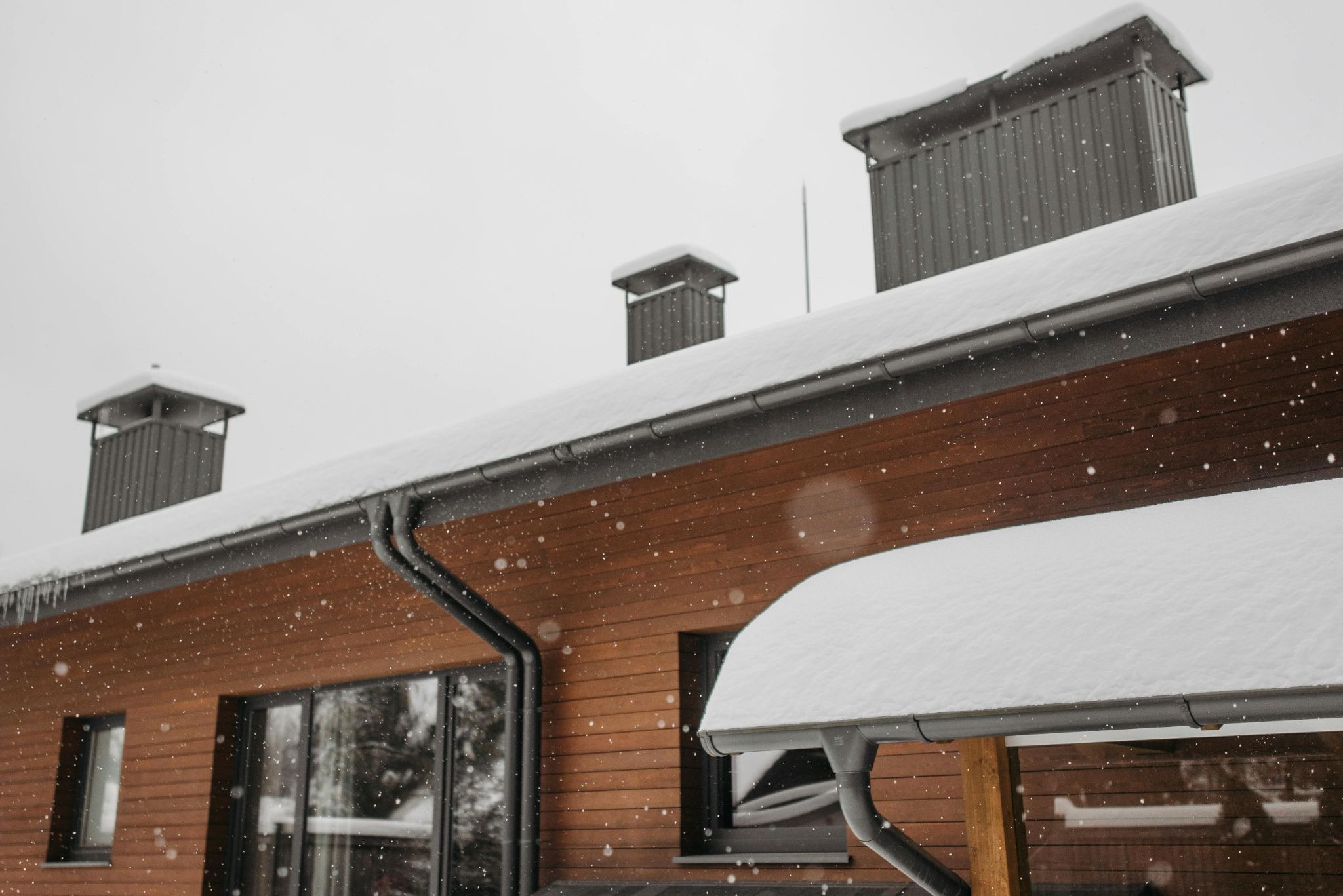
Winter roof damage often starts inside your home. This heat warms the roof deck. Snow on the roof then melts. The water runs down to the colder edge of the roof. This edge is over the eaves. It refreezes there. This cycle forms a ridge of ice. This ridge is called an ice dam.
Melting water pools behind this ice dam. It has nowhere to go. It seeps into your roof deck. It drips into your attic. The root cause is indoor heat and moisture escape. Fixing just the roof leak is not enough. You must address the attic conditions. The best roofing company in Ashland is often called after damage appears.
The Hidden Role of Attic Insulation
Attic insulation is your first defense. Its job is to keep heat inside your home. Inadequate or old insulation fails at this task. Heat flows easily into the attic space. This heat transfer warms the underside of the roof. The snowmelt process begins. Proper insulation levels are critical. They create a thermal barrier. This barrier keeps the attic cold. A cold attic keeps snow frozen on the roof. It prevents the melt and refreeze cycle.
Ventilation’s Critical Part in Moisture Control
Roof ventilation works with insulation. Ridge or gable vents let out warm, moist air. This flow is essential. Without it, warm, humid air gets trapped. This moisture condenses on cold surfaces. In winter, this adds to the ice dam problem. Blocked vents are a common issue. Insulation often covers soffit vents. Bird nests or debris clog vents. This stops the necessary air movement. The attic becomes a warm, damp box.
How Household Moisture Escapes into the Attic
This process has two bad effects. First, wet materials rot. Second, the moisture releases latent heat as it condenses. This extra heat warms the attic more. It fuels more snow melting on the roof. Air sealing the attic floor is the solution. Seal all gaps and cracks in the house below. This stops the flow of warm, moist air. It keeps the attic dry and cold. Experts, such as the best roofing company in Ashland, often partner with insulation contractors for this full solution.
The Misleading Symptom of Exterior Icicles
Large, beautiful icicles seem harmless. They are often a sign of trouble. They indicate that snow is melting on your roof. The water is running to the edge and freezing. Small icicles at the eaves are normal. Thick, heavy icicles along the gutter line are not. They show that an active ice dam is forming. The weight of icicles can also cause gutters to tear off. Do not just knock icicles down.
Conclusion
The best roofing company in Ashland can perform a thorough inspection. They will check the roof and the attic. They can outline the necessary repairs. They can fix the roof and advise on the attic fixes. This gives you a complete picture. You can then plan a full solution to protect your home for good.