

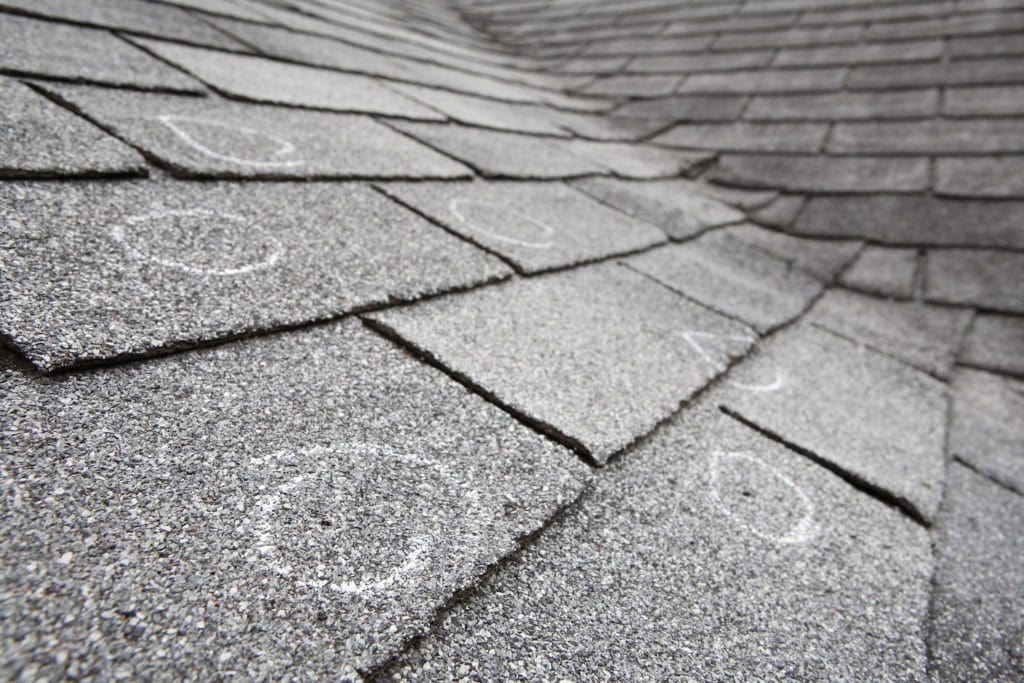
Hail season in Alberta comes fast and leaves a mess. One minute the afternoon looks normal, the next there’s a wall of white roaring across the foothills, and twenty minutes later you’re standing on your porch looking at a yard full of ice, bent patio furniture, and a roof that may or may not have just lost five years of its life.
Calgary homeowners know the drill better than most. The city regularly records some of the largest hail events in Canada, and in any given summer, tens of thousands of roofs take damage. The difference between a claim that goes smoothly and one that drags on for months usually comes down to what the homeowner does in the first seventy-two hours.
Here’s a calm, practical playbook for the hours and days after a storm.
First, Check That Everyone Is Safe
Before anyone worries about the roof, make sure people and pets are accounted for and away from broken glass. Hail events often come with strong winds that send patio furniture, branches, and loose debris flying. Check for shattered windows, holes in skylights, and any interior water entering through damage.
If you smell gas, hear running water where you shouldn’t, or see exposed wiring, those are emergencies that come before anything roofing-related. Call utilities or emergency services first. The insurance claim can wait an hour.
Document the Damage Before Cleaning Up
This is the step most homeowners skip, and it’s the one that costs them the most. Before you sweep up hail, pick up branches, or move damaged patio items, take photos. A lot of photos. Wide shots of the yard, close-ups of dented gutters, pictures of hail next to a coin or ruler for scale, and shots of any visible interior damage like water spots or cracked ceilings.
Video helps too. A one-minute walkaround of the property captures context that individual photos miss. All of it timestamps itself, which matters when an insurance adjuster asks when the damage happened.
Don’t Climb the Roof
The instinct after a storm is to grab a ladder and check the shingles yourself. Resist it. Wet roofs, loose debris, and adrenaline are a combination that sends people to the emergency room every year. Even experienced roofers wait until conditions are safer.
What you can do from the ground is look at metal surfaces. Dented gutters, bent vents, dimples in the flashing, and visible scuffs on shingle edges are all signs the roof took a real hit. If those are damaged, the shingles almost certainly are too.
Call the Insurance Company, Not the First Door-Knocker
Within a day or two of any significant storm, so-called storm chasers start appearing. These are out-of-town contractors who canvass neighborhoods after hail events, offering to inspect roofs for free and file insurance claims on the homeowner’s behalf. Some are legitimate. Many are not.
The safer sequence is to call your insurance company first and your local roofer second. According to the Insurance Bureau of Canada, severe weather, including hail, causes more than a billion dollars in insured damage in bad years, and insurers have well-established processes for handling claims. Your insurer will send an adjuster to document the damage, which protects you from inflated estimates and from contractors who disappear once they have a deposit in hand.
Local, established roofers like Kymand tend to be the safer long-term choice. They live in the community, their reputations follow them, and they’ll still be answering the phone five years from now if a warranty issue comes up. A storm chaser working out of a pickup truck from another province will not.
Understand the Claims Timeline
After a major hail event, insurance adjusters get overwhelmed. Wait times can stretch from a few days in a quiet summer to several weeks after a catastrophic storm. While you wait, keep documenting. Any new leaks, water stains, or signs of continuing damage should be photographed with dates.
Temporary repairs to prevent further damage are usually covered, and in some cases they’re required. If a skylight is broken or a section of shingles has been torn off, tarping that area is reasonable and expected. Keep receipts for any emergency work.
Get More Than One Estimate
Once the adjuster has assessed the damage and your claim has been approved, you’ll usually receive a payout based on the estimated cost of repair or replacement. That number is a starting point, not a final bill. Getting two or three estimates from local roofers gives you a realistic sense of what the work should cost and whether the adjuster’s number is in the right range.
If estimates come in significantly higher, a good roofer will work with the insurance company to document why, whether because of code upgrades required in Calgary, hidden damage discovered during tear-off, or materials that are no longer made in the original color.
Don’t Rush the Color and Material Decisions
A hail claim is also an opportunity. You’re about to have a new roof. It makes sense to use the moment to think about whether you want the same material you had before. Impact-resistant shingles, metal roofing, and upgraded underlayment all cost more up front but handle future storms much better. Some insurers offer discounts on premiums for impact-rated materials, which can offset the higher price over time.
Colors fade too. A sample chip on a cloudy afternoon in a showroom looks nothing like the same color on a sunny roof in July. Ask to see full bundles of shingles in natural light before making a final choice.
Watch for Delayed Damage
Some hail damage doesn’t reveal itself right away. Bruised shingles can look intact for weeks, then start leaking after the next heavy rain. Attic insulation that got wet in the storm can harbor mold if it doesn’t dry properly. Caulking around skylights and chimneys that flexed during impact may fail months later.
Most insurance policies require claims to be filed within a set window after the event, often a year, so don’t assume the roof is fine just because there’s no visible leak the week after the storm. Have a professional inspection done within thirty days, even if your own walk-around looked clean. Adjusters will often accept a reputable local roofer’s written report as supporting documentation, which speeds up any follow-up claim if something surfaces later in the season.
The Next Storm Is Coming
Alberta’s hail season runs from late spring through early fall, and climate data suggests the storms are becoming more frequent and more severe, not less. The best thing a homeowner can do is prepare in the quieter months. Document the current state of the roof with photos, keep insurance information accessible, and know which local roofer you’d call if a storm hits this afternoon.
A little preparation makes the chaos of claim season much easier to navigate. The roof will take the damage either way. How quickly you recover, and how much of the cost actually ends up on your shoulders, is the part you control.