

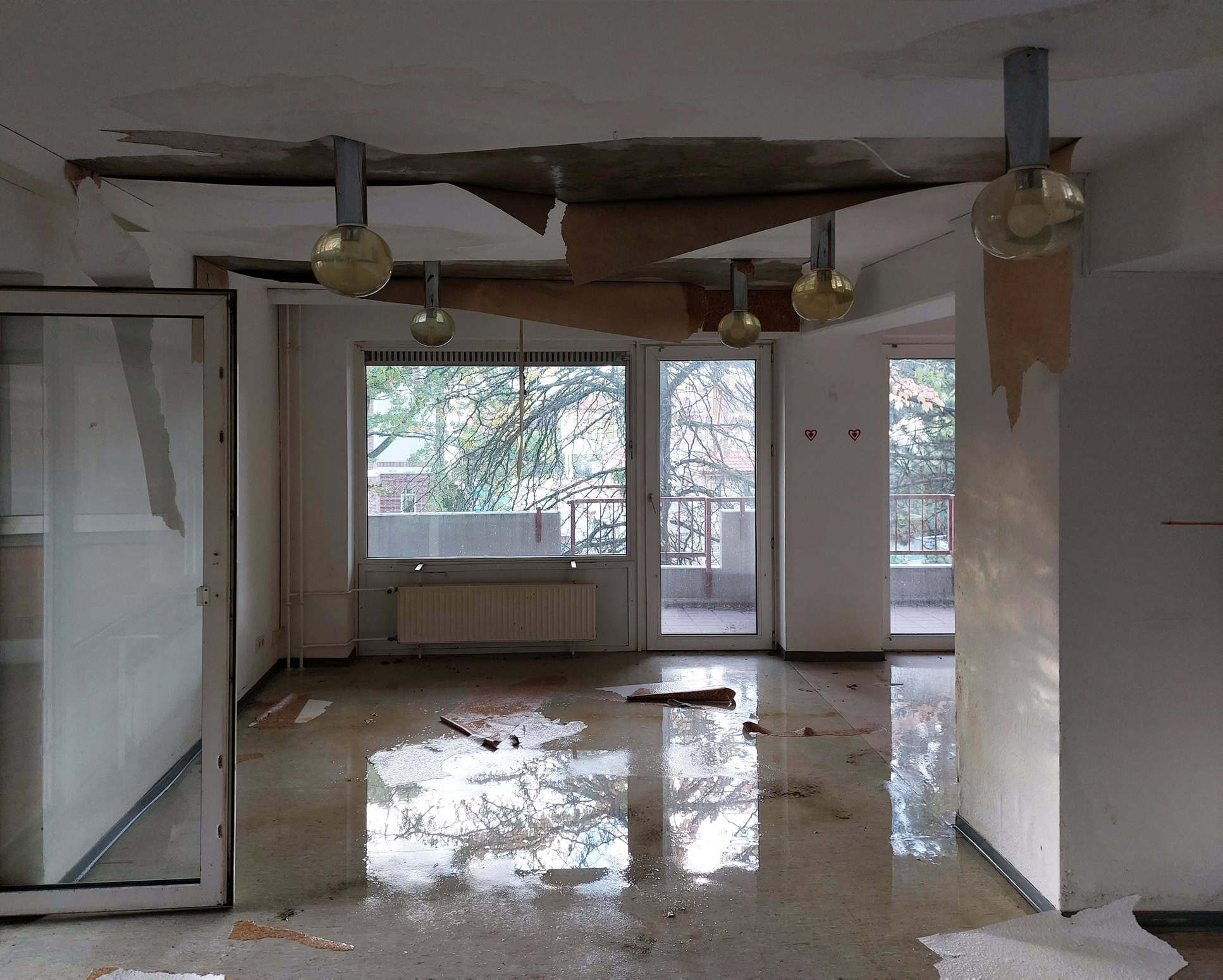
A burst pipe, overflowing appliance, heavy rainfall, or basement flood can turn a normal day into a stressful situation within minutes. Standing water is only the visible part of the problem. Behind walls, under flooring, and inside insulation, moisture can continue spreading long after the water has been removed.
Professional restoration is designed to stop the damage, remove affected materials, dry the property properly, and restore the space back to a safe condition. For homeowners dealing with unexpected water damage, knowing what happens during the process can make the situation feel far more manageable.
Here is what the full water damage restoration process looks like, from the first inspection to the final repairs.
Why Water Damage Requires More Than Removing Standing Water
Many people assume water damage cleanup starts and ends with pumping out water and drying the room. In reality, moisture can travel into areas that are difficult to see, including drywall, flooring systems, insulation, and structural materials.
Even a small leak can create bigger problems if the affected areas are not dried completely. Trapped moisture can lead to:
- Mold growth
- Damaged flooring and drywall
- Unpleasant odours
- Warped wood and structural deterioration
- Reduced indoor air quality
A professional water damage restoration in Calgary approach involves much more than surface-level cleanup. Restoration specialists use moisture detection equipment, commercial drying systems, and proven restoration techniques to identify the full extent of the damage and address issues that may remain hidden behind walls or beneath flooring.
Step 1: The Initial Inspection and Damage Assessment
The restoration process begins with a detailed assessment of the affected property. Before any cleanup begins, technicians need to understand where the water came from, how far it has spread, and what materials have been impacted.
During the inspection, professionals typically:
- Locate the source of the water intrusion
- Check moisture levels throughout affected areas
- Identify damaged building materials
- Determine the category and severity of water damage
- Create a restoration plan based on the condition of the property
Water damage is not the same in every situation. A leaking supply pipe, a flooded basement, and sewage backup all require different approaches because the level of contamination and risk can vary significantly.
This first step allows technicians to focus on the areas that need immediate attention while preventing further damage.
Step 2: Water Extraction Removes Moisture Fast
Once the damage has been assessed, water extraction begins. Removing standing water quickly is one of the most important parts of emergency water damage restoration because the longer materials remain saturated, the greater the chance of permanent damage.
Professional restoration companies use powerful equipment such as:
- Truck-mounted extraction units
- Submersible pumps
- Commercial water vacuums
- Specialized extraction tools for carpets and flooring
Unlike household equipment, professional extraction systems are designed to remove large amounts of water efficiently and reach areas where moisture may be trapped.
Fast extraction can help protect flooring, furniture, drywall, and personal belongings from additional deterioration.
Step 3: Professional Drying Prevents Hidden Damage
Removing visible water is only the beginning. The next stage focuses on drying every affected area completely.
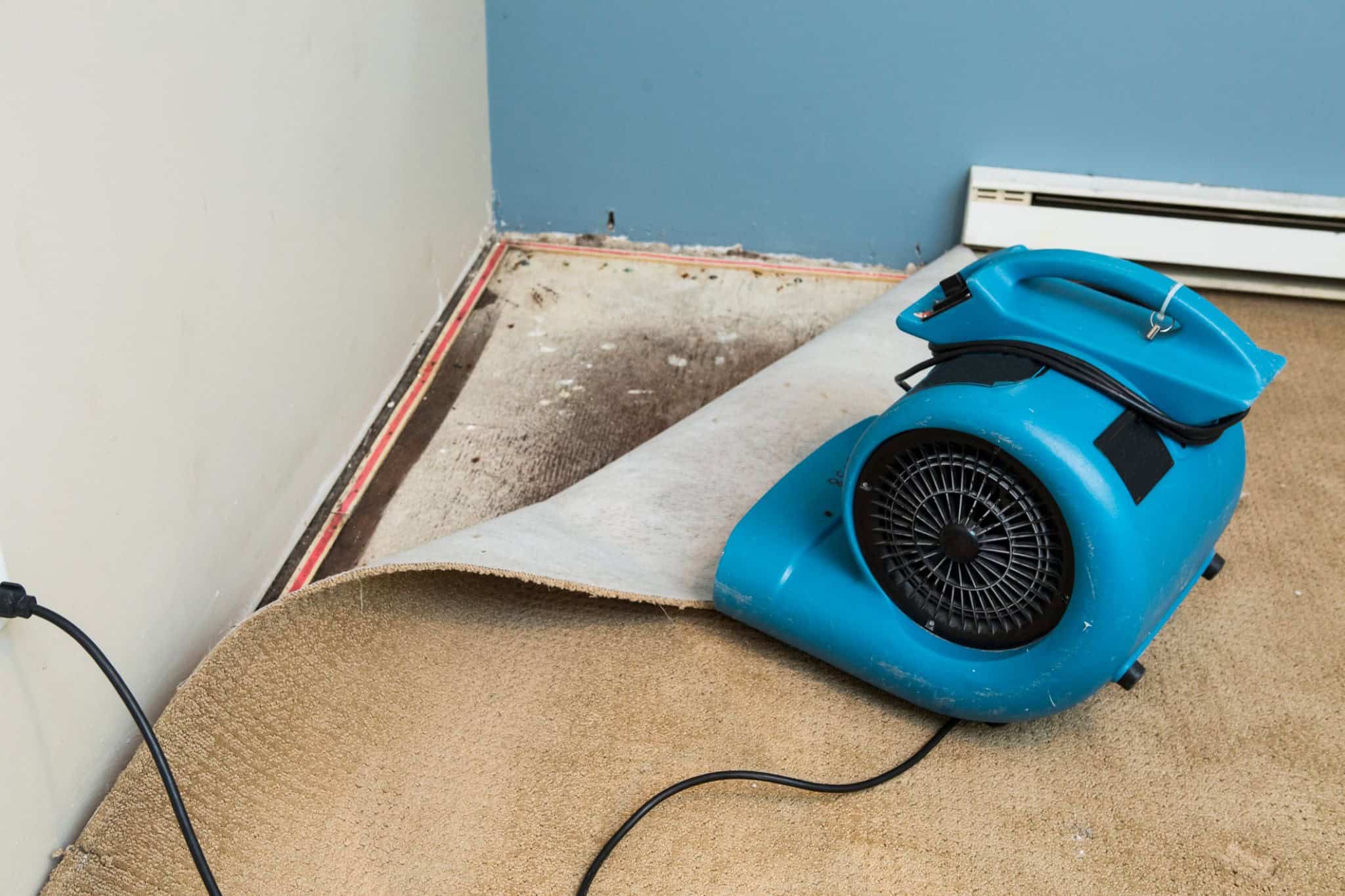
Industrial air movers and dehumidifiers are strategically placed throughout the property to improve airflow and remove moisture from the environment. Technicians continue monitoring moisture levels throughout the drying process to confirm that materials are returning to acceptable conditions.
A property can appear dry while moisture remains trapped behind walls, beneath flooring, or inside building materials. Left untreated, this hidden moisture can create the right conditions for mould growth and contribute to further damage. Health Canada highlights that controlling excess moisture is one of the most important steps in preventing mould problems inside homes and recommends addressing moisture sources as soon as they are identified.
Many homeowners ask, “how long does water damage restoration take?” The answer depends on several factors, including:
- The amount of water present
- The size of the affected area
- The type of materials involved
- How quickly the cleanup started
- The level of structural damage
Minor water damage may take only a few days to dry, while larger floods involving walls, flooring, or insulation can require significantly more time.
Proper drying is one of the most important steps in preventing future issues. A property that looks dry on the surface may still contain moisture underneath.
Step 4: Cleaning, Sanitizing, and Salvaging Damaged Items
After extraction and drying are complete, restoration professionals focus on cleaning the affected areas and determining what can be restored.
Depending on the situation, this stage may include:
- Cleaning and disinfecting surfaces
- Removing damaged materials
- Treating odours
- Restoring furniture and personal belongings
- Cleaning carpets and upholstery
With residential water damage restoration, the goal is often to save as many belongings and materials as possible while removing anything that cannot be safely repaired.
Not every damaged item needs to be replaced. Many household belongings can be restored when they are treated quickly and handled with the right equipment.
Step 5: Reconstruction Brings the Property Back to Normal
The final stage of restoration involves repairing the damage caused by water. Depending on the severity of the incident, reconstruction may involve minor repairs or larger rebuilding work.
Common repairs include:
- Replacing damaged drywall
- Repairing or replacing flooring
- Restoring ceilings and walls
- Repainting affected areas
- Repairing damaged trim or cabinetry
A complete restoration does more than remove the signs of water damage. It returns the property to a safe, functional condition.
For homeowners dealing with major damage, working with a company that provides a full water damage restoration service can simplify the process by handling cleanup, drying, repairs, and reconstruction under one plan.
How Water Damage Restoration Differs From Water Leak Restoration
A leaking pipe behind a wall and a flooded basement may both involve unwanted water, but the restoration approach can be very different.
Water leak restoration typically focuses on finding the source of the leak, removing affected materials, drying the area, and repairing the damage caused by the leak.
Flood-related damage may require additional steps, especially if contaminated water has entered the property. Flood damage restoration in Calgary often involves more extensive cleaning, sanitization, and material removal because floodwater can contain bacteria, debris, and other contaminants.
Common Mistakes Homeowners Make After Water Damage
The first few hours after water damage can have a major impact on the final outcome. Some common mistakes can make repairs more difficult and expensive.
Homeowners should avoid:
- Waiting too long to address the problem
- Moisture spreads quickly. Delaying professional help can increase damage to walls, flooring, and personal belongings.
- Relying only on fans or household equipment
- Regular fans may move air around but often cannot remove moisture trapped inside materials.
- Walking through contaminated water
- Floodwater may contain harmful contaminants that create health risks.
- Removing damaged materials without assessing the situation
- Some materials may be salvageable, while others require professional removal.
Choosing the Right Restoration Approach After Water Damage
Water damage rarely stays contained to the area where it first appears. A leaking pipe, flooded basement, or appliance failure can continue affecting your home long after the visible water is gone. The difference between temporary cleanup and proper restoration comes down to identifying hidden moisture, drying affected materials completely, and repairing the damage before it creates bigger problems.
Professional restoration is not about removing water and moving on. It is about understanding how water moves through a property and taking the right steps to protect the structure, belongings, and comfort of the people inside.
If your home has experienced water damage, acting quickly can make the difference between a straightforward repair and a much more complex restoration process. A thorough assessment and professional response can help bring your property back to a safe, healthy condition while preventing avoidable damage in the future.