

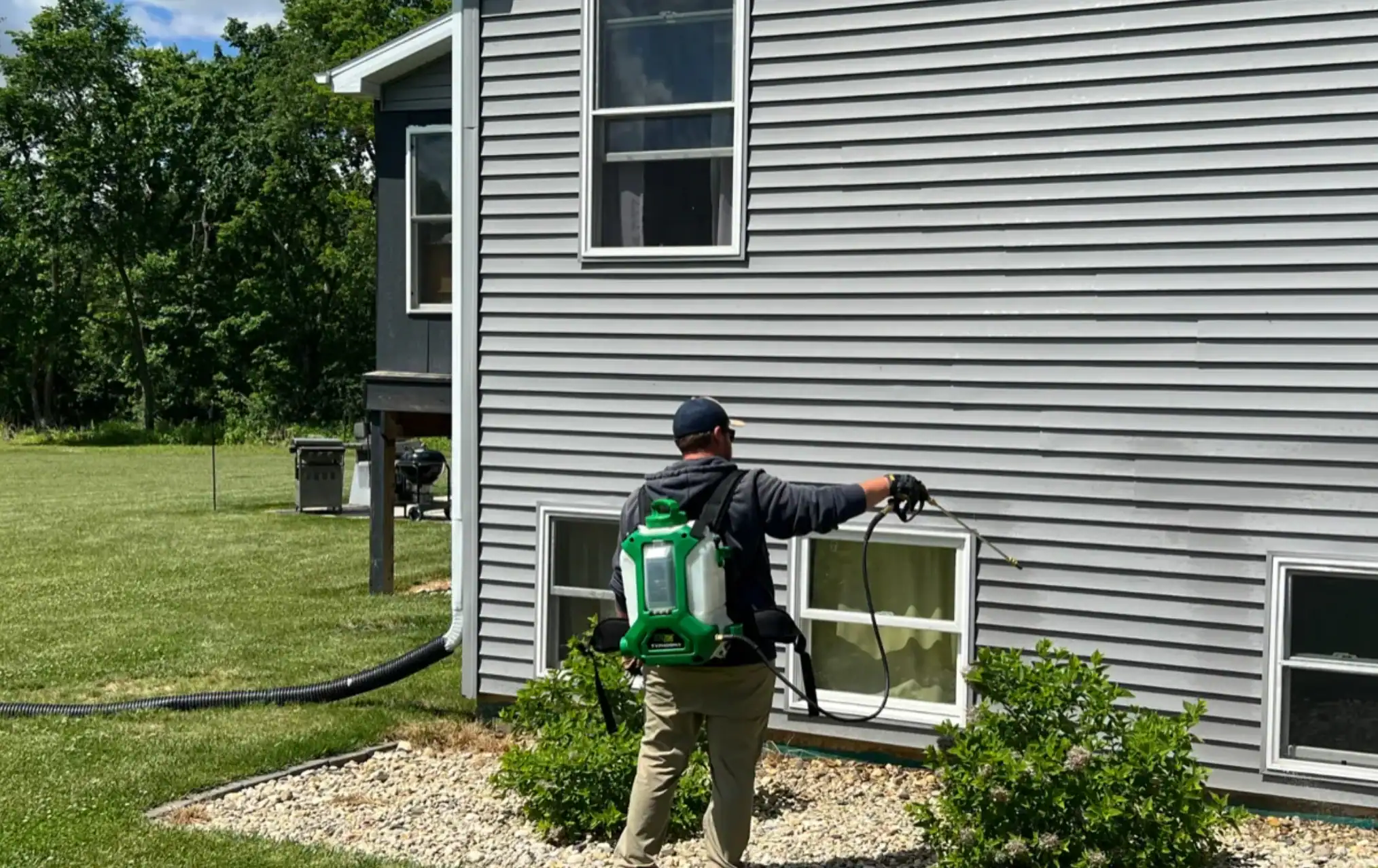
Pest problems rarely show up at a convenient time. You might notice ants along the kitchen counter, hear movement in the attic at night, or discover signs of termites near the foundation. The first reaction is often to search for someone who can come out quickly. Speed matters, but it should not be the only reason you choose a pest control company.
Fort Worth homeowners have plenty of options, so it helps to know what separates a qualified professional from a company that simply offers the lowest quote. When comparing exterminators in Fort Worth, look at licensing, insurance, inspection practices, local experience, treatment methods, and what happens after the first visit. A little research before hiring can prevent repeat problems and unexpected costs later.
Start With the Pest You Actually Have
Different pests require different treatment strategies. A company that handles routine ants and spiders may not approach termites, bed bugs, rodents, or mosquitoes the same way. Before discussing price, ask whether the company regularly treats the specific problem you are seeing.
A good technician should also confirm the pest rather than simply accept a homeowner’s guess. Small flying ants can be confused with termite swarmers. Mouse and rat activity can look similar at first. Some insects found indoors may not require pesticide treatment at all.
Forterra Pest Control is one example of a local provider serving Fort Worth homeowners across several common pest categories. Whichever company you consider, the important point is to choose a provider with direct experience handling the pest found on your property.
Verify Licensing and Insurance
Texas regulates structural pest control, so licensing is not an optional credential. According to the Texas Department of Agriculture, any business providing structural pest control services for hire must hold a business license and designate a certified applicator responsible for that location.
Texas also sets clear insurance requirements. Licensed pest control businesses are required to maintain at least $500,000 in bodily injury and property damage coverage, with a minimum aggregate of $1 million for all occurrences.
That gives homeowners a simple starting checklist before scheduling treatment.
| What to verify | What it tells you |
| Texas business license | The company is authorized to provide structural pest control |
| Certified applicator | A qualified professional is responsible for pest control work |
| Liability insurance | The business meets state coverage requirements |
| Treatment category | The company is licensed for the type of service being offered |
A legitimate company should be comfortable answering questions about its credentials. If the representative avoids the subject or cannot provide basic licensing information, keep looking.
Local Experience Matters in Fort Worth
Pest activity changes with weather, moisture, property conditions, and season. Fort Worth professionals should understand the problems that appear repeatedly across North Texas homes, including mosquitoes, termites, cockroaches, ants, spiders, and rodents.
Mosquito activity is a good example. Tarrant County Public Health reported 86 mosquito pools that had tested positive for West Nile virus by July 24, 2026. The county also recorded its first human West Nile case of the 2026 season by that date and reported 17 human cases during 2025.
That does not mean every mosquito problem requires professional treatment. It does show why local pest patterns matter. A company familiar with Fort Worth should be able to explain when treatment makes sense and what homeowners can change around the property to reduce pest pressure.
Homeowners who want to see how local companies compare can also review a Fort Worth pest control overview before requesting estimates.
Expect an Inspection Before a Treatment Plan
A professional inspection should do more than confirm that pests are present. The technician should look for where they are entering, where they may be nesting, and what conditions are helping them stay on the property.
For rodents, that might mean inspecting gaps around doors, utility lines, roof edges, and vents. For cockroaches, moisture and food sources may be part of the problem. Termite inspections require a different approach, including looking for activity around wood, soil, foundations, and other vulnerable areas.
The U.S. Environmental Protection Agency recommends comparing pest control companies based on qualifications and treatment plans rather than choosing on price alone. A professional should be able to explain what will be treated, which methods will be used, and what the homeowner needs to do before or after service.
Compare More Than the Initial Price
Two pest control quotes can look similar while covering very different services. One price might include an inspection, treatment, follow-up visit, and warranty. Another may cover only the first application.
Ask each company for enough detail to make a fair comparison.
| Question to ask | What you need to know |
| What pests are covered? | Confirm the exact pest or service category |
| Are follow-up visits included? | Find out when return treatments cost extra |
| Is this one-time or recurring? | Know whether you are entering an ongoing plan |
| What does the guarantee cover? | Check the duration, conditions, and exclusions |
| Are interior and exterior areas included? | Confirm the complete treatment area |
For termite work in particular, Texas rules provide consumers with useful protections. Treatment proposals may include diagrams of areas to be treated, signs of termite activity, warranty terms, and details about the treatment method. Read those documents instead of relying only on what was discussed during the sales call.
Read Reviews for Patterns
A high star rating is helpful, but the comments behind the rating often tell you more. Look through recent reviews and watch for patterns.
Do customers mention technicians arriving when promised? Did the company respond when pests came back? Were additional charges explained in advance? Was the technician willing to answer questions about the treatment?
One negative review should not automatically eliminate a company. Repeated complaints about the same issue deserve more attention. Also look at how the business responds when something goes wrong. Pest control does not always produce an instant result, so follow-up service and communication matter.
Watch for Red Flags
Be cautious when a company pressures you to sign a long contract immediately, refuses to provide treatment details, or cannot explain its licensing. Vague promises such as eliminating every pest permanently should also raise questions.
Be especially careful with unusually low quotes that are given before anyone understands the size of the property or the pest problem. A fair estimate should reflect the actual work required.
Good pest control is not just about applying a product. The better professionals identify the problem, explain the plan, treat the right areas, and provide clear instructions for reducing the chance that pests return.
Make the Decision Based on the Full Service
Choosing a pest control professional in Fort Worth comes down to more than finding the fastest appointment or lowest advertised price. Verify credentials, ask how the company identified the problem, compare written treatment plans, understand the guarantee, and read recent customer feedback.
A company that can clearly explain what it plans to do and why usually gives you more useful information than one focused only on closing the sale. Taking a little extra time before hiring can make the treatment process simpler and help you choose a provider that is prepared to handle the problem correctly.