

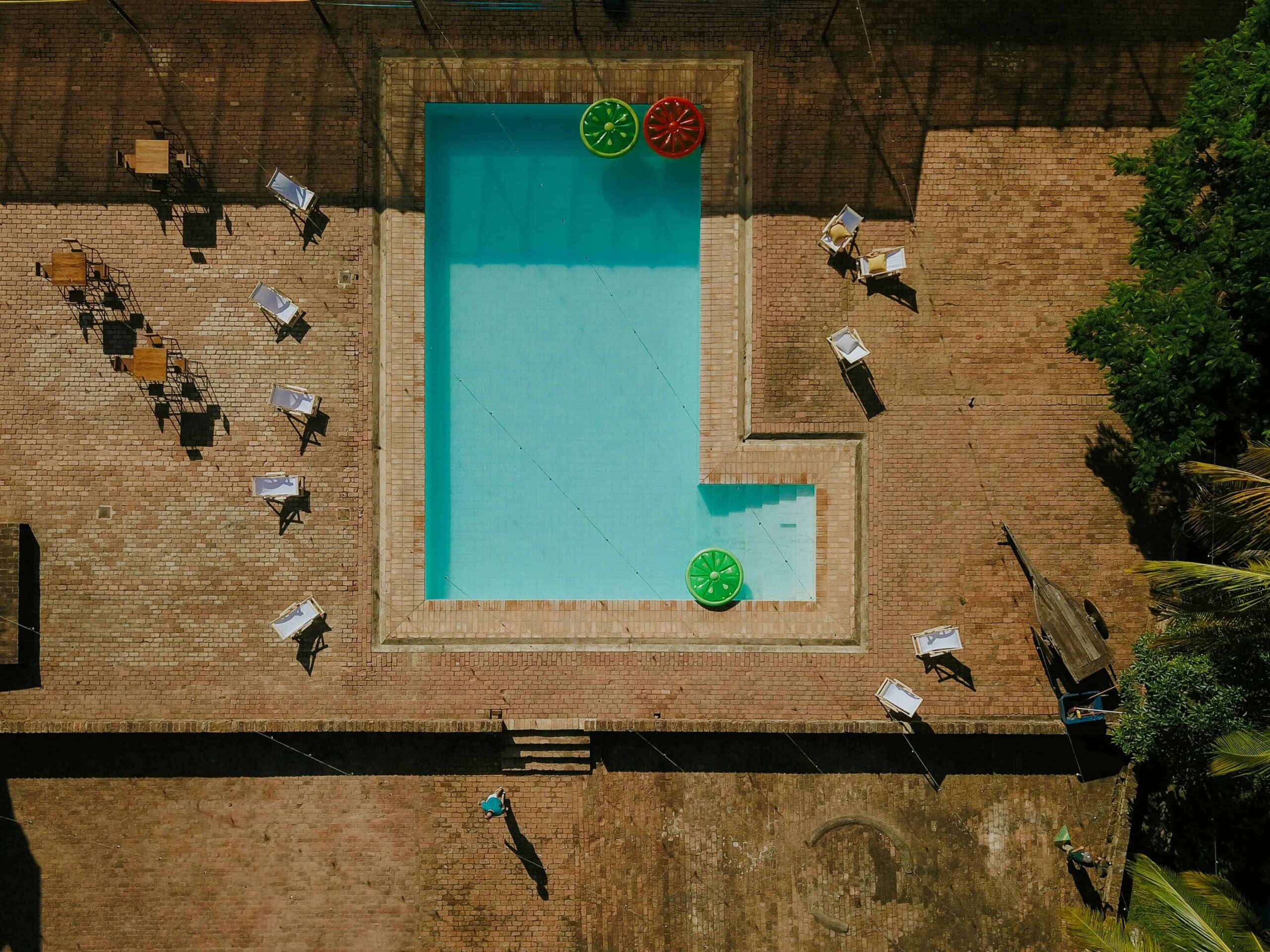
Pool plastering is one of the most overlooked yet essential steps in keeping a swimming pool durable, clean, and visually appealing.
I learned this the hard way when a friend ignored surface wear in his backyard pool and ended up dealing with leaks, rough textures, and cloudy water within just a few seasons.
At first, everything looked fine on the surface.
But small cracks started forming, and the water chemistry became harder to balance.
That’s when I realized how much the interior finish of a pool actually matters.
By the time he finally invested in resurfacing, the transformation was immediate.
The pool felt smoother, looked brighter, and required far less maintenance.
If you’re curious about the process, you can learn more about pool plastering and how it directly impacts long-term performance.
What Pool Plastering Really Does
Creates a Protective Barrier
The plaster layer acts as a shield between the pool structure and water.
Without it, concrete can absorb water, weaken over time, and eventually crack.
A properly finished surface prevents water penetration and structural damage.
Enhances Water Retention
I’ve seen pools lose water slowly without any visible leak.
In many cases, worn-out plaster was the culprit.
Fresh resurfacing seals microscopic gaps and keeps water where it belongs.
How It Improves Pool Longevity
Prevents Structural Damage
Think of plaster like skin for your pool.
When that layer starts to deteriorate, the underlying shell becomes vulnerable.
Over time, this can lead to costly repairs that go far beyond simple resurfacing.
Reduces Long-Term Maintenance Costs
A well-maintained finish reduces the need for frequent chemical adjustments and cleaning.
I’ve personally noticed that newer surfaces require less scrubbing and fewer treatments.
That alone saves both time and money.
Extends the Lifespan of Pool Materials
Tiles, fittings, and fixtures last longer when the surface beneath them is stable.
An uneven or rough interior can stress these components and lead to premature wear.
The Connection Between Surface Finish and Water Quality
Smooth Surfaces Resist Algae Growth
Rough or damaged surfaces create tiny pockets where algae can grow.
Once it starts, it spreads quickly and becomes difficult to control.
A smooth interior finish eliminates these hiding spots.
Improves Chemical Balance
Water chemistry becomes easier to manage when the surface isn’t reacting with it.
Older finishes can alter pH levels and increase chemical demand.
After resurfacing, I noticed the water stayed balanced for longer periods.
Enhances Filtration Efficiency
Clean surfaces allow filtration systems to work more effectively.
Debris doesn’t cling as easily, making it simpler for filters to do their job.
Signs Your Pool Needs Resurfacing
Rough Texture Underfoot
If the floor feels abrasive or uncomfortable, the finish is likely worn out.
This was the first sign my friend noticed before things got worse.
Stains That Won’t Go Away
Persistent discoloration often points to deeper surface issues.
Cleaning won’t fix it if the plaster itself is compromised.
Cracks or Chips
Even small cracks can lead to bigger structural problems.
It’s better to address them early before water seeps in.
Frequent Chemical Imbalance
If you’re constantly adjusting chlorine or pH levels, the surface may be interfering.
Different Types of Pool Finishes
Traditional White Plaster
This is the most common option and offers a clean, classic look.
It’s cost-effective but may require more frequent maintenance.
Quartz-Based Finishes
Quartz blends are more durable and resistant to staining.
They also provide a slightly textured feel without being rough.
Pebble Finishes
Pebble surfaces are known for their longevity and natural appearance.
They last longer but come at a higher initial cost.
Real-Life Impact of a Proper Resurface
I remember visiting a pool that had just been refinished with a quartz blend.
The difference was obvious the moment I stepped in.
The water looked clearer, the surface felt smooth, and the entire space felt more inviting.
Maintenance routines became simpler, and the owner mentioned spending less time dealing with algae and chemical adjustments.
It wasn’t just about aesthetics.
It completely changed how the pool performed.
The Process Explained Simply
Draining and Surface Prep
The pool is drained and cleaned thoroughly.
Old material is chipped away to create a solid base.
Applying the New Finish
A fresh layer is applied evenly across the surface.
This step requires precision to avoid weak spots.
Curing and Refilling
The surface needs time to cure properly before refilling.
Once filled, the water chemistry is carefully balanced.
Tips to Maximize Results
Maintain Proper Water Chemistry
Balanced water prevents premature wear and staining.
Regular testing goes a long way.
Brush the Surface Regularly
Brushing helps prevent buildup and keeps the finish smooth.
Schedule Routine Inspections
Catching small issues early can save significant costs later.
Final Thoughts
A pool isn’t just a feature.
It’s an investment that requires proper care to stay functional and enjoyable.
The interior finish plays a much bigger role than most people realize.
From preventing structural issues to improving water clarity, resurfacing delivers both immediate and long-term benefits.
If there’s one takeaway from my experience, it’s this.
Don’t wait until visible damage appears.
Taking action early keeps your pool looking great, performing efficiently, and lasting for years to come.