

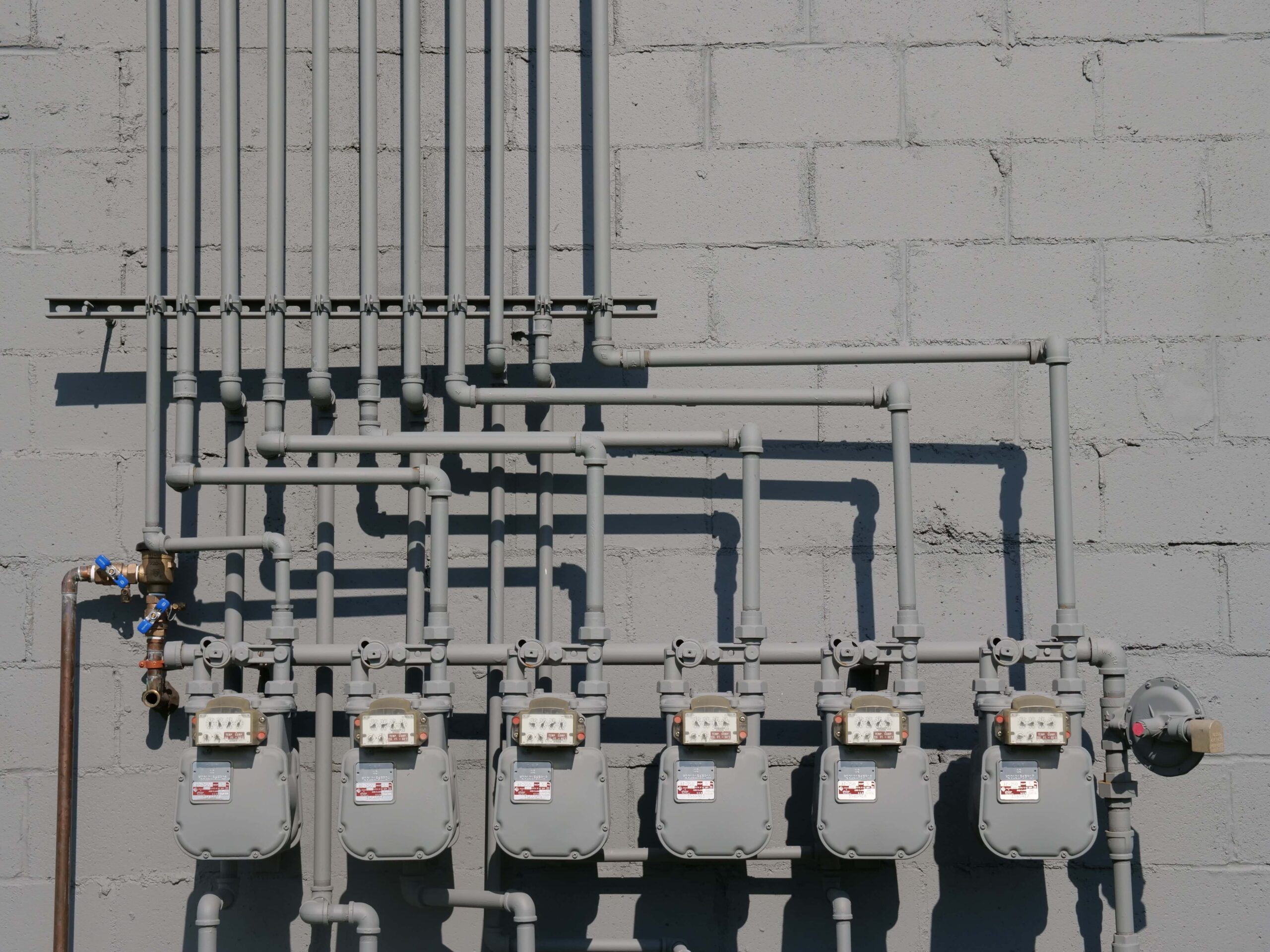
Operating continuously behind walls and under floors, a residential plumbing system delivers fresh water and carries away waste daily. Because most pipe networks remain hidden from view, paying attention to their plumbing is what many homeowners do only when an active leak, sewer backup, or sudden loss of hot water occurs. Waiting for an operational failure, however, often results in costly emergency repairs, water damage, and structural fixes that routine maintenance could have easily prevented.
By establishing a proactive inspection schedule and understanding how basic plumbing components function, extending the lifespan of your fixtures and preventing unexpected mechanical breakdowns becomes possible. When establishing a residential maintenance checklist, consulting technical resources like those covering comprehensive plumbing service scope from Browns Plumbing provides a clear reference for key inspection intervals, pipe material lifespans, and critical safety valve locations. Taking a systematic approach to household plumbing maintenance ensures your water systems run smoothly while helping you spot minor defects before into costly failures they escalate.
Understanding the Two Main Components of Home Plumbing
To maintain a plumbing system effectively, understanding its two distinct, independent subsystems helps: the supply system and the drainage system.
1. The Fresh Water Supply System
Bringing fresh, pressurized water into the home from either a municipal water main or a private well is what the supply system does. On high pressure (typically between 40 and 60 PSI) this system relies to push water upward to upper-floor bathrooms, kitchen faucets, and appliances. Included among key components are main shut-off valves, pressure regulators, supply lines, and water heaters.
2. The Drain-Waste-Vent (DWV) System
To transport wastewater away from sinks, toilets, and tubs into the municipal sewer or septic tank, the DWV system relies entirely on gravity. Because unpressurized it is, pipes get sloped downward toward the exit point. By extending through the roof, vent pipes allow air into the drain lines, preventing vacuums that would impede water flow or siphon water out of P-traps.
Seasonal Plumbing Checklist for Homeowners
To protect your plumbing infrastructure against seasonal temperature swings and daily wear, performing seasonal inspections helps.
Spring and Summer Preventive Checks
An ideal opportunity to check outdoor water connections and high-use indoor fixtures is offered by warm weather:
- Inspect Hose Bibbs and Outdoor Faucets: Turn on outdoor spigots while holding a hand over the opening. If water pressure stops easily, that the internal pipe split during winter freezing is likely.
- Examine Washing Machine Hoses: For bulges, cracks, or leaks, check rubber inlet hoses connected to your washing machine. By replacing old rubber hoses with braided stainless steel lines every five years, catastrophic indoor bursts are prevented.
- Test the Sump Pump: Pour a five-gallon bucket of water into the sump pit to confirm that the float switch activates and the pump clears water quickly before heavy summer rains arrive.
Fall and Winter Freeze Protection
A severe threat to exposed water pipes is posed by sub-zero temperatures. As it freezes, water expands, exerting immense outward pressure that can split copper, PEX, or steel pipes.
- Disconnect Hose Connections: Disconnect and drain all garden hoses before the first freeze so that ice formation inside outdoor bibbs is prevented.
- Insulate Exposed Pipes: Wrap foam insulation sleeves around unheated water pipes in basements, crawl spaces, and exterior walls.
- Know Your Main Shut-Off Valve: Locate your main water shut-off valve and test its movement to ensure turning it easily during an emergency is possible.
How to Spot Hidden Leaks Before They Cause Damage
As obvious ceiling drips or flooded floors, not all plumbing leaks manifest. Inside walls or beneath concrete slabs, pinhole leaks can slowly degrade building materials for months before being discovered.
The Water Meter Leak Test
To confirm whether a hidden leak exists in your plumbing system without opening walls:
- Turn off every water fixture, appliance, and ice maker inside and outside the home.
- Locate your municipal water meter outside or in the basement.
- Observe the meter dial or digital display. A small triangular or star-shaped “leak indicator” dial is featured on many meters.
- If while all water is shut off the indicator moves—or if after two hours the digital reading increases—water is actively escaping from your supply lines.
Warning Signs of Concealed Pipe Leaks
- Unexplained Water Bill Spikes: A sudden rise in monthly water usage without a change in household habits strongly points to a continuous leak.
- Musty Odors and Discolored Drywall: Soft spots, yellowing rings on ceilings, or musty smells near baseboards signal moisture accumulation.
- Low Water Pressure: Indicating a line break or severe internal pipe corrosion can be a sudden drop in water pressure across multiple fixtures.
Water Heater Maintenance: Extending Tank Life
Critical components that require annual maintenance to operate efficiently and safely are water heaters.
Flushing Sediment Buildup
Over time, dissolved minerals in tap water settle to the bottom of conventional water heater tanks, forming a thick sediment layer. Acting as an insulating barrier between the heating element and the water, this layer causes thermal stress, lower heating efficiency, and premature tank corrosion.
Flushing Steps: Connect a garden hose to the drain valve at the bottom of the tank, open the valve, and drain several gallons of water into a bucket until completely clear of sediment flakes the water runs.
Inspecting the Anode Rod
Attracting corrosive elements in the water is what the sacrificial anode rod inside the tank does, deteriorating so that the steel tank walls do not have to.
Inspect the anode rod every two years. If down to its central wire core the rod is worn, replace it immediately to prevent tank rust.
Checklist for Routine Plumbing Health
- [ ] Locate Main Valve: Ensuring that all household members know the location of the main water shut-off valve is necessary.
- [ ] Test Pressure: Verify that household water pressure remains between 40 and 60 PSI using a screw-on pressure gauge.
- [ ] Inspect Fixtures: Checking under all bathroom and kitchen sinks monthly for dampness, corrosion, or slow drips should be done.
- [ ] Flush Water Heater: Draining sediment from your water heater tank annually must be done to maintain heating efficiency.
- [ ] Upgrade Hoses: Replace standard rubber washing machine hoses with durable braided stainless steel alternatives.