

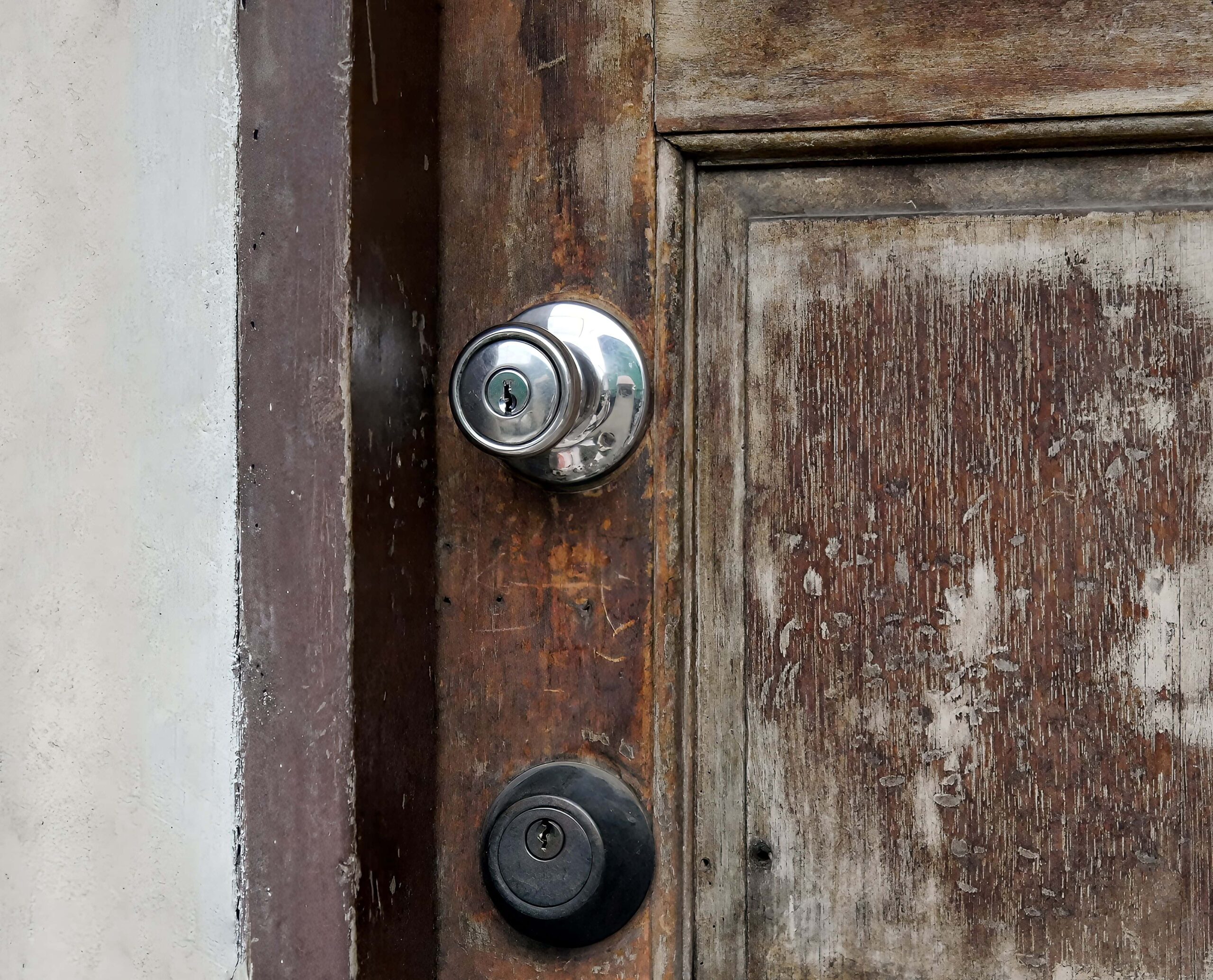
Your home’s locks play an important role in protecting your family, belongings, and personal space. However, many homeowners do not think about their door locks until they lose a key, move into a new property, or experience a problem with the locking mechanism. At that point, an important question arises: Should you rekey the existing locks or replace them completely?
Both options can improve home security, but they serve different purposes. Understanding the difference can help Melbourne homeowners make a practical decision based on their property’s condition, security needs, and budget.
Understanding the Difference between Rekeying and Lock Replacement
Rekeying and replacing a lock are two different ways to address home security concerns.
Rekeying involves changing the internal configuration of an existing lock so that its previous keys no longer operate it. A locksmith adjusts the lock to work with a new key while keeping the existing lock hardware in place. This option can be useful when the lock is still in good working condition but you want to prevent someone with an old key from entering your home.
Lock replacement involves removing an existing lock and installing a new one. Homeowners may choose this option when a lock is damaged, worn out, outdated, or no longer meets their security requirements.
The right choice depends on whether the problem involves key access or the physical condition of the lock itself.
When Should You Rekey Your Door Locks?
There are several situations in which rekeying can be a sensible option for homeowners.
1. After Moving Into a New Home
One of the most important times to consider rekeying is immediately after purchasing or moving into a new home. Previous owners, tenants, contractors, maintenance workers, or other individuals may still have copies of the original keys.
Even when the previous occupants return their keys, there is no guarantee that additional copies do not exist. Rekeying helps ensure that old keys will no longer provide access to the property.
2. When You Lose Your House Keys
Losing a house key can create uncertainty, particularly if it is lost somewhere near your home or contains identifying information. You may not know who could find it or whether someone could connect it to your address. If you are concerned that an unauthorized person might use the missing key, rekeying can help restore control over access to your property.
3. After a Change in Household or Occupancy
Life circumstances sometimes change. A roommate may move out, a tenant may leave, or someone who previously had permission to enter your home may no longer need access. In these situations, rekeying can provide additional peace of mind without requiring you to replace otherwise functional locks.
4. When You Want to Improve Key Control
Some homeowners simply want to reduce the number of keys that provide access to their property. Rekeying can help establish a new set of keys and make it easier to manage who can enter the home.
A professional locksmith can assess whether the existing locks are suitable for rekeying.
When Is Replacing a Door Lock the Better Choice?
Although rekeying can solve many access-related concerns, it is not the right solution for every situation. Sometimes replacing the entire lock is more appropriate.
1. When the Lock Is Damaged or Worn Out
A door lock that frequently sticks, becomes difficult to turn, or fails to operate smoothly may have worn or damaged internal components. If the problem cannot be resolved with a repair, replacement may be necessary. Ignoring a malfunctioning lock can make it difficult to secure your home properly, especially when the door does not lock consistently.
2. When the Lock Shows Signs of Physical Damage
Locks can become damaged through attempted break-ins, accidents, or general wear. If the lock has visible damage or its components no longer function correctly, changing the keys alone will not address the underlying issue. A locksmith can inspect the hardware and recommend whether repair or complete replacement is appropriate.
3. When Existing Locks No Longer Meet Your Needs
Older locks may not provide the features or convenience that homeowners want today. If you are renovating your property or upgrading its entry doors, installing newer locking hardware may be worth considering.
However, a newer lock is not automatically more secure. Homeowners should consider the quality, compatibility, and proper installation of the replacement hardware.
How Door Locks Contribute to Home Security
A reliable door lock is an important part of a home’s overall security. However, effective protection involves more than simply installing a new lock.
Homeowners should pay attention to the condition of their exterior doors, door frames, strike plates, and other entry points. A strong lock may offer limited protection if the surrounding door structure is damaged or poorly maintained. Deadbolts can provide an additional locking option for suitable exterior doors. They are commonly used alongside standard door handles and can make forced entry more difficult when properly installed with compatible hardware.
It is also worth checking side entrances, garage access doors, and other less frequently used entry points. These areas should receive the same attention as the main entrance.
Why Professional Locksmith Assistance Matters
Choosing between rekeying and replacing a lock is not always straightforward. A lock may appear to be in good condition from the outside while having internal problems that affect its operation. A professional locksmith can inspect the existing hardware, identify potential issues, and explain the available options. This assessment can help homeowners avoid replacing locks unnecessarily or relying on rekeying when the hardware itself needs attention.
Homeowners looking for help with residential lock concerns can explore residential locksmith services in Melbourne, FL through Melbourne Lock & Car Key. Professional assistance can help determine whether a lock needs repair, rekeying, or replacement based on its actual condition. It is particularly useful to seek assistance when a key breaks inside a lock, a door will not secure properly, or the locking mechanism becomes difficult to operate. Trying to force a damaged lock can sometimes make the problem worse.
Simple Habits That Help Maintain Home Security
Regular attention to your home’s locks can help prevent unexpected problems. Consider these practical habits:
- Check exterior door locks periodically for signs of damage or unusual resistance.
- Make sure doors close properly and align with their frames.
- Avoid hiding spare keys in obvious outdoor locations.
- Limit access to house keys and know who has copies.
- Consider rekeying after moving into a property or changing occupants.
- Address loose handles, sticking locks, and other problems before they become more serious.
These small steps can help homeowners maintain better control over property access and identify potential issues early.
Final Thoughts
Knowing when to rekey or replace your door locks can make a meaningful difference in managing your home’s security. Rekeying is often suitable when the existing hardware works properly but you need to change who has access. Replacement is generally more appropriate when locks are damaged, worn out, or no longer meet your needs.
For Melbourne homeowners, the best approach is to evaluate each lock individually rather than assuming that every security concern requires a complete replacement. When you are unsure, a professional locksmith can help you understand the available options and choose a practical solution for your home.