

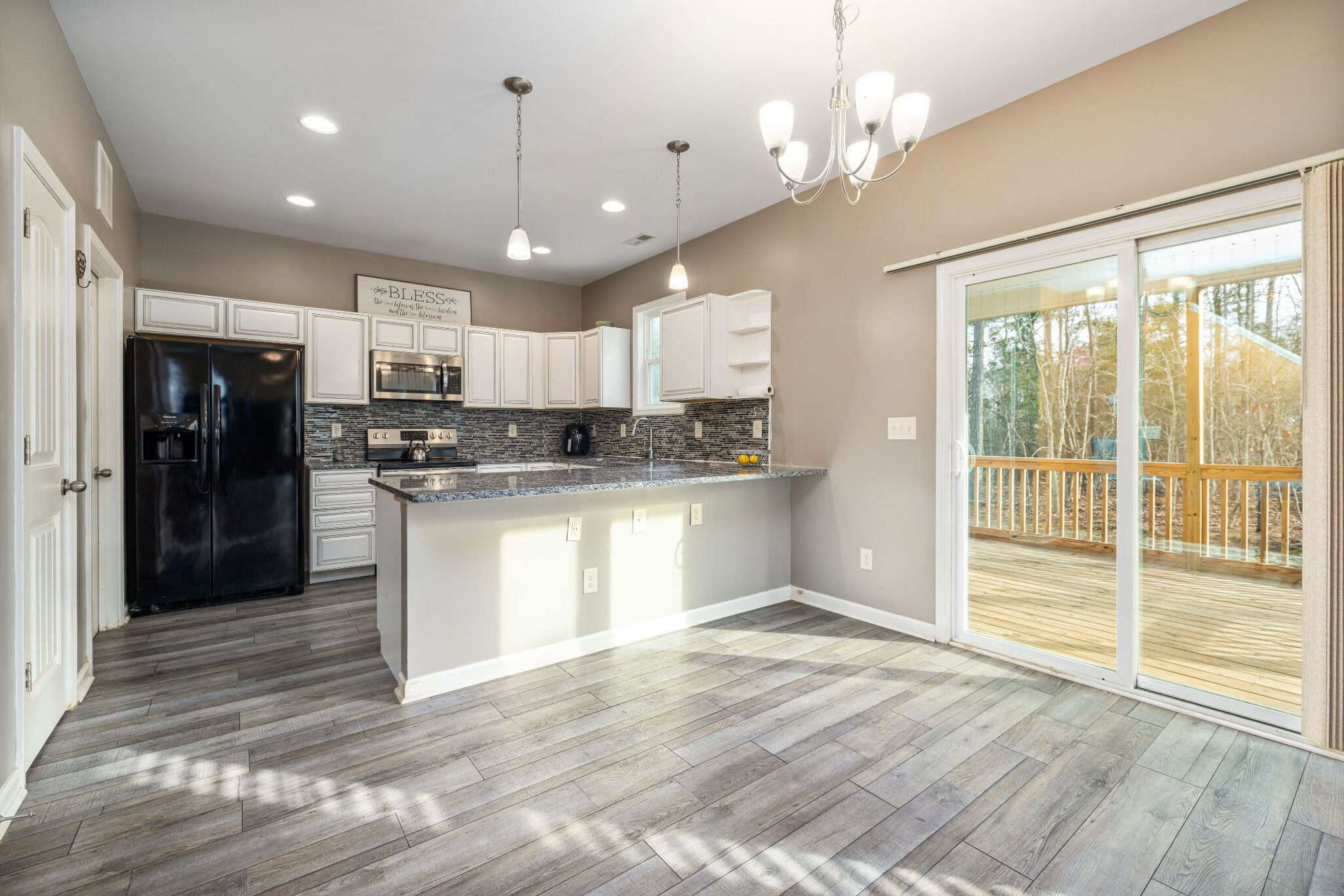
A buyer often decides how they feel about a home within the first few steps inside. Long before checking kitchen cabinets or measuring bedroom closets, their eyes land on the floor. That single surface sets a tone that can either pull a buyer in or push them toward the exit. Flooring is not just a practical feature; it is an emotional signal that shapes an entire showing from start to finish.
| 1st | Thing Buyers Notice | 6 | Flooring Types Compared | Sec | Impressions Form Fast |
Tile Sends a Cold Signal Fast
Tile can be practical in kitchens and bathrooms, yet a home covered almost entirely in hard, glossy tile can feel sterile rather than welcoming. Buyers walking through a space with too much tile sometimes describe it as feeling like a showroom instead of somewhere they could imagine settling in for years.
First Impressions Start With Flooring
The moment a buyer walks through a front door, their brain is already forming an opinion. Scuffed boards, dated tile, or worn carpet can quietly suggest that the rest of the property has been neglected, too, even when that assumption is not accurate.
A floor that looks clean, current, and well-kept sends a message of care instead. It tells the buyer that an owner paid attention to details, which builds quiet trust before a single word is spoken about the property’s actual history or upkeep.
Hardwood Still Wins Most Hearts
Few materials carry the same emotional weight as natural hardwood. It reads as warm, timeless, and high quality, which is exactly the feeling most buyers hope to find the moment they step inside a new listing. Even a modest home can feel more valuable once hardwood is underfoot.
Real estate professionals often note that hardwood floors photograph beautifully for online listings, and that the first digital impression matters almost as much as the in-person walkthrough. Buyers scrolling through photos are more likely to book a showing when floors already look inviting on screen.
Groups like Plot Property Group frequently advise sellers that refinishing existing hardwood, rather than covering it up, tends to bring a stronger emotional response and a better return once negotiations begin in earnest.
| Staging tip: Refinishing existing hardwood usually beats installing new flooring, both in cost and on the emotional response it earns from buyers touring the home. |
Vinyl and Laminate Rewrite Expectations
Modern vinyl plank and laminate flooring have quietly changed what buyers expect to see. These materials now mimic wood and stone so closely that many people cannot tell the difference during a normal walkthrough.
Because these options are durable and budget-friendly, sellers can upgrade tired flooring without taking on a massive renovation cost or timeline. A fresh, neutral-toned vinyl floor often earns compliments rather than criticism.
Even buyers who initially say they only want real wood tend to soften their stance once they see how realistic modern planks appear in natural light and staged photography. This shift matters most for sellers working with a limited budget, since it offers a visual upgrade that feels premium without draining funds needed elsewhere in the home.
Carpet Can Quietly Backfire
Carpet is one of the most divisive flooring choices a seller can make today. Some buyers still enjoy softness underfoot in bedrooms, yet many now associate carpet with hidden stains, trapped odors, and outdated style choices.
An old or heavily worn carpet is one of the fastest ways to trigger a negative reaction during a showing. Buyers may start imagining allergens, pet smells, or the added cost of ripping it all out before they even consider making an offer.
Light colored carpet in high-traffic areas carries a particular risk. It shows dirt quickly and can make a home feel less maintained than it actually is, even shortly after a professional cleaning session.
When carpet is kept, choosing a neutral, low-pile option in good condition tends to leave a far more positive impression than bold colors or thick shag styles from decades past. Sellers who replace carpet only in bedrooms while upgrading main living areas to hard surfaces often see the strongest reaction from buyers touring the space.
Color Tones Set an Emotional Mood
Flooring color plays a bigger emotional role than most sellers expect when walking into a listing. Very dark floors can make small rooms feel tighter and harder to light, while very light floors sometimes feel cold or clinical in the wrong setting.
Medium, warm-toned floors tend to appeal to the widest range of buyers. They photograph well, hide minor scuffs, and create a balanced feeling that does not compete with furniture or wall colors already in place.
Consistency also matters more than most people expect. Mismatched flooring between rooms, such as tile in a hallway, carpet in the living room, and old vinyl in the kitchen, can make a home feel disjointed rather than move-in ready. Sellers rarely need to replace every surface to fix this. A single connecting tone, like a runner or transition strip, can visually tie mismatched rooms together.
Natural light also changes how a color tone reads throughout the day. A floor that looks warm in the morning can feel dull under evening lighting, so sellers should view rooms at different hours before choosing a shade. Small samples rarely tell the full story, either. A tone that looks perfect on a paint chip can shift once it covers an entire room.
Where This Leaves Sellers
Flooring often gets treated as a minor detail on a renovation checklist, yet it holds outsized power over how a buyer emotionally connects with a property. A well-chosen surface, kept consistent in tone and condition, can turn a routine showing into the moment a buyer quietly decides they have found home.