

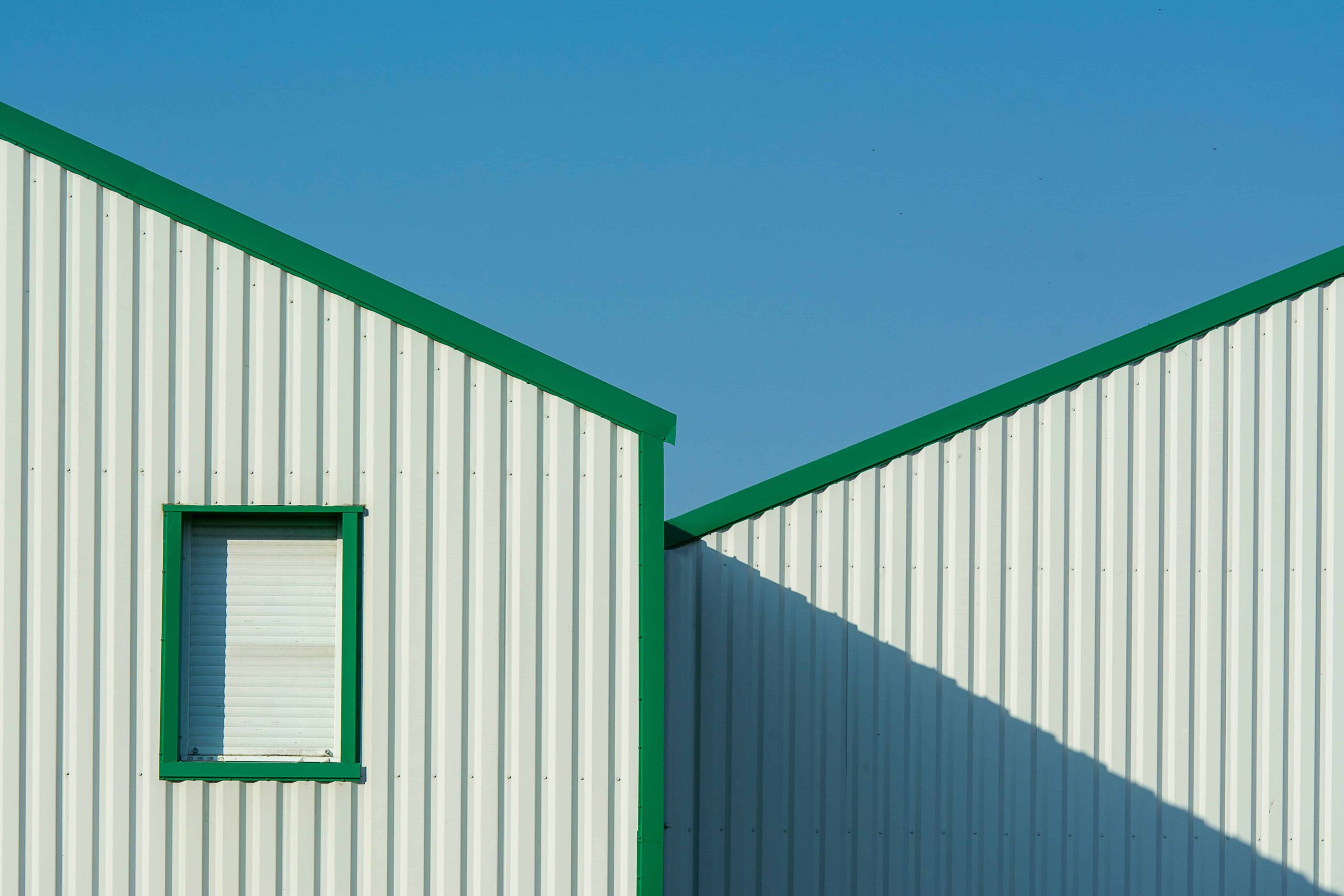
Metal buildings have long had a reputation for being uncomfortable, drafty, and expensive to heat or cool. Many people assume that steel structures become ovens in the summer and iceboxes in the winter. While that may have been true decades ago for poorly constructed buildings, modern engineering has completely changed the conversation.
The reality is that steel itself isn’t the determining factor in a building’s efficiency. Instead, the entire building envelope—including insulation, air sealing, roofing, and moisture management—determines how well a structure performs. Today’s metal buildings can meet, and in many cases exceed, stringent energy codes while providing exceptional comfort and lower operating costs.
Are Steel Buildings Energy Efficient?
Yes, modern steel buildings are highly energy efficient when properly designed, insulated, and sealed. While steel naturally conducts heat, advanced insulation systems, air barriers, and moisture-control techniques allow metal buildings to meet or exceed today’s energy standards, often performing as well as, or better than, traditional construction.
Why the Energy Inefficiency Myth Still Exists
The misconception began with older agricultural buildings, warehouses, and workshops that were built with little or no insulation. Bare steel transfers heat quickly, meaning interior temperatures closely follow outdoor conditions.
However, modern metal buildings are engineered as complete systems. Instead of relying solely on steel, they incorporate high-performance insulation, continuous air barriers, efficient roofing systems, and carefully sealed joints, which dramatically improve thermal performance.
One of the biggest advantages of steel construction is the ability to create a tight building envelope. Unlike traditional wood framing, steel components can be manufactured with exceptional precision, reducing unwanted air leaks that often contribute to energy loss.
When properly designed, a steel building can maintain comfortable indoor temperatures year-round while reducing HVAC workload and lowering utility expenses.
Choosing the Best Insulation for a Metal Building
Selecting the best metal building insulation is one of the most important decisions affecting long-term energy efficiency. The ideal solution depends on your local climate, intended building use, budget, and performance goals.
Here are the most common options.
Fiberglass Blanket Insulation
Fiberglass blanket insulation remains one of the most popular choices due to its affordability and ease of installation. Large rolls are placed over structural framing and typically include a protective facing that serves as a vapor retarder. When installed correctly, fiberglass offers reliable thermal performance for many commercial and industrial applications.
Rigid Board Insulation
Rigid insulation boards, such as polyisocyanurate and extruded polystyrene, provide excellent insulating value in relatively thin panels. These products help create continuous insulation across walls and roofs while minimizing thermal bridging—the transfer of heat through structural framing. This makes them an excellent choice for projects targeting higher energy performance.
Insulated Metal Panels (IMPs)
Insulated Metal Panels combine the exterior metal skin, rigid insulation core, and finished interior liner into a single prefabricated panel. Because the insulation is factory-installed, IMPs provide consistent thermal performance, fast installation, excellent moisture resistance, and superior energy efficiency. Many commercial facilities choose this premium system for long-term operating savings.
Closed-Cell Spray Foam
Closed-cell spray foam delivers insulation and air sealing in a single application.
As the foam expands, it fills gaps, joints, and hard-to-reach spaces that traditional insulation may miss. The result is a highly airtight building envelope that reduces drafts, minimizes energy loss, and helps control condensation.
Key Factors That Maximize Energy Efficiency
Insulation alone isn’t enough. Several additional design considerations play major roles in overall building performance.
Understanding R-Values and U-Values
R-value measures how effectively insulation resists heat flow. Higher R-values generally indicate better insulating performance.
U-value measures how quickly heat transfers through an entire building assembly. Lower U-values represent better overall efficiency.
Your ideal R-value depends on your climate zone, local building codes, and the building’s intended purpose. Working with an experienced contractor ensures the building meets appropriate performance standards.
Vapor Barriers and Condensation Control
Condensation is one of the biggest challenges for metal buildings.
When warm, humid indoor air comes into contact with cold steel surfaces, moisture forms. Over time, condensation can contribute to corrosion, mold growth, and damaged insulation.
Proper vapor barriers help prevent moisture from reaching cold metal surfaces while maintaining the insulation system’s effectiveness.
Reflective Roofing Systems
Reflective roofing materials complement insulation by reducing solar heat gain before it enters the building. Cool roofing systems reflect more sunlight than conventional roofing, helping lower roof surface temperatures and reducing cooling demands during hot weather. Combined with proper insulation, this creates a highly efficient building envelope that performs well year-round.
Can Older Metal Buildings Be Upgraded?
Absolutely.
Owners of older steel buildings don’t necessarily need to start from scratch. Many inefficient structures can be significantly improved through retrofit insulation projects. Popular upgrades include adding spray foam directly to existing panels, installing new fiberglass blanket systems, or incorporating rigid insulation during roof replacements. Improving air sealing around doors, windows, and penetrations can also produce noticeable reductions in energy consumption.
Even modest improvements often deliver meaningful savings while increasing occupant comfort.
Other Common Metal Building Myths
Does a Metal Building Increase Property Taxes?
Generally, yes.
Permanent metal buildings attached to a fixed foundation are typically considered taxable improvements because they increase a property’s assessed value. Temporary or movable structures may be treated differently depending on local regulations.
Are Metal Buildings More Likely to Be Struck by Lightning?
No.
Metal buildings are no more likely to attract lightning than similarly sized structures made from other materials. If lightning strikes, the steel shell safely conducts the electrical energy to ground, often helping protect occupants and interior contents.
The Bottom Line
The idea that metal buildings are always energy inefficient is fiction.
While uninsulated steel conducts heat readily, modern construction techniques have transformed metal buildings into highly efficient structures that deliver outstanding thermal performance. With quality insulation, proper moisture management, airtight construction, and reflective roofing systems, steel buildings can reduce utility costs, improve indoor comfort, and provide decades of reliable service.
Whether you’re constructing a new facility or upgrading an existing one, investing in a properly engineered building envelope pays dividends through lower operating expenses, reduced HVAC strain, and long-term durability. Working with an experienced metal building contractor ensures every component functions together to maximize efficiency and create lasting value.