

Buying an air conditioner is one of those decisions people tend to rush, usually in the middle of a heatwave when any cold air sounds good. The trouble is that the wrong system, or the wrong size, follows you for a decade in the form of patchy comfort and high running costs. A little thought up front saves a lot of regret later.
Here is a practical framework for getting it right.
Match the system to the home, not the other way around
There is no single best air conditioner, only the best one for a particular home and climate. The main types each shine in different situations:
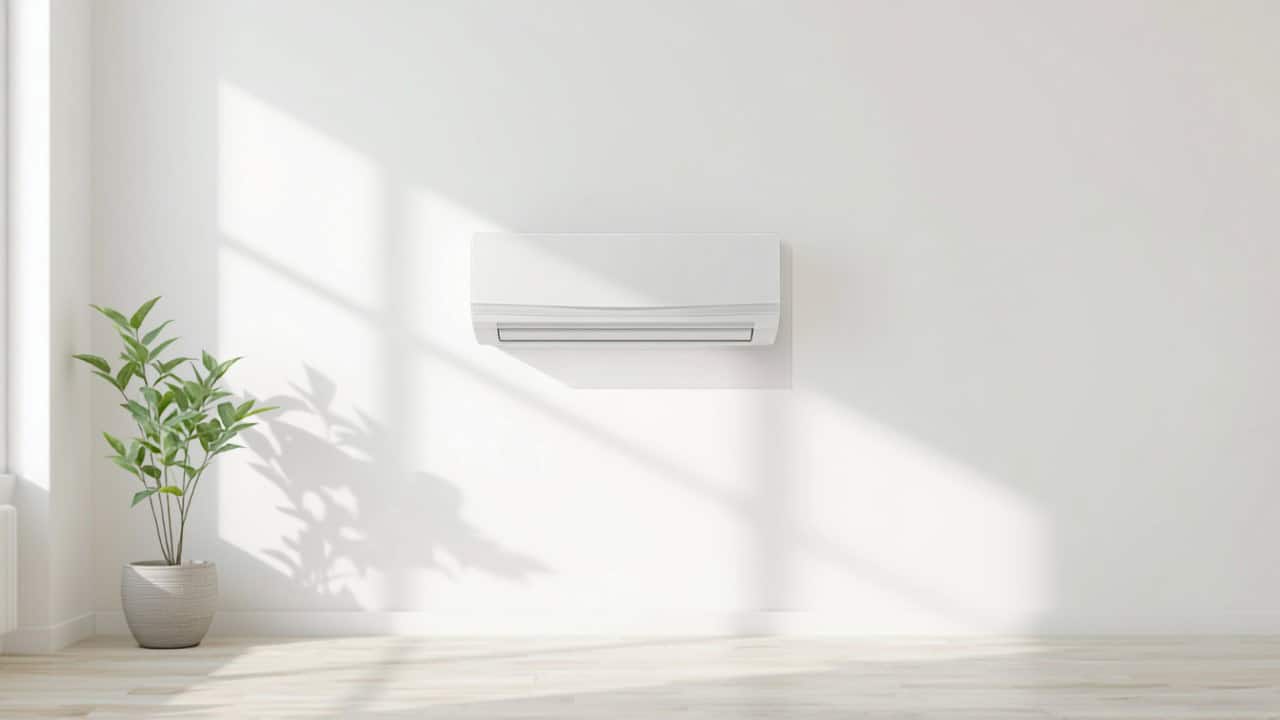
- Split systems cool (and usually heat) one room or zone efficiently and quietly. They are ideal for targeting the spaces you actually use, like a living area or main bedroom.
- Multi-split systems run several indoor units from one outdoor unit, useful when you want a few rooms covered without full ducting.
- Ducted systems condition the whole home evenly and disappear into the ceiling, which suits larger or open-plan houses where consistent comfort matters.
- Evaporative cooling is a strong fit for hot, dry climates, using far less energy and drawing in fresh air, though it struggles in humidity.
In a hot, dry-summer climate like Perth’s, the choice between refrigerated and evaporative options in particular is worth proper thought, because each behaves very differently on a 40-degree day.
Size matters more than almost anything
The single most common mistake is getting the size wrong. An undersized unit runs flat out and never quite catches up; an oversized one short-cycles, wastes energy, and leaves the air clammy. Correct sizing depends on the room’s floor area, ceiling height, insulation, window size and orientation, and how many people use the space. This is exactly where a professional assessment earns its keep, and where a proper air conditioning installation in Perth service will calculate the load properly rather than guessing from the room’s square metres alone.
Look past the sticker price
The cheapest unit to buy is rarely the cheapest to own. A few things worth weighing:
- Energy rating. A higher-efficiency unit costs more upfront but can save meaningfully every summer, and every winter if it is reverse-cycle.
- Reverse-cycle capability. A unit that heats as well as cools does two jobs, often more efficiently than separate heating.
- Zoning and controls. The ability to condition only the rooms in use is one of the biggest long-term savings.
- Installation quality. Even a great unit performs poorly if it is badly installed. Placement, pipe runs, and correct commissioning matter enormously.
Do not skip the maintenance conversation
Whatever you choose, its performance depends on upkeep. Clean or replaced filters, a clear outdoor unit, and an occasional professional service keep efficiency high and head off breakdowns. It is worth asking about servicing at the point of purchase so you start the relationship on the right foot.
The bottom line
Choosing air conditioning well comes down to three things: pick the right type for your home and climate, get the sizing calculated properly rather than guessed, and weigh running costs alongside the purchase price. Handle those, lean on a qualified installer for the assessment, and you end up with a home that stays comfortable through the hottest week of the year without a nasty surprise on the power bill.