

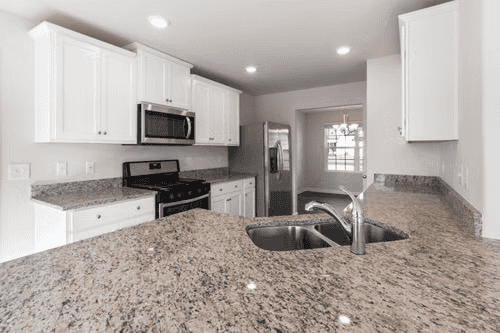
For many years, luxury finishes were one of the biggest selling points in real estate. Granite countertops, premium flooring, and custom cabinets often attracted buyers during home tours. In 2026, buyer priorities have shifted. Attractive features still matter, although they are no longer the main factor influencing purchasing decisions.
Today’s buyers spend more time calculating what it will cost to own a home every month. Mortgage payments, insurance, property taxes, utilities, maintenance, and repair expenses now receive close attention before an offer is made.
Homeowners preparing to sell can benefit from understanding this change. Highlighting affordability and long-term value often creates stronger buyer confidence than focusing only on decorative upgrades.
Buyers Are Looking Beyond Luxury Finishes
Granite countertops still add visual appeal, although many buyers quickly move on to more practical questions. They want to know whether the heating system is efficient, whether utility bills are manageable, and whether major repairs will be needed soon.
Some homeowners choose a simpler selling process rather than investing in expensive cosmetic improvements before listing. Companies like Laurel Buys Houses provide an option for sellers who want to avoid large renovation costs or lengthy preparation.
Modern buyers appreciate homes that offer financial stability after closing. They understand that beautiful finishes cannot offset high monthly expenses or costly maintenance needs.
What Buyers Compare During Home Shopping
| Decorative Features | Monthly Cost Considerations |
| Granite countertops | Mortgage payment |
| Luxury backsplash | Property taxes |
| Designer lighting | Utility bills |
| Premium flooring | Home insurance |
| Stylish cabinets | Maintenance expenses |
| Modern paint colors | Repair costs |
Monthly Budgets Shape Buying Decisions
Many households now create detailed budgets before searching for homes. Buyers often calculate how much they can comfortably spend each month rather than focusing only on the purchase price.
Mortgage payments remain one of the largest expenses, although they are only one part of total ownership costs. Insurance premiums, property taxes, homeowners’ association fees, utility bills, and routine maintenance all affect affordability.
Buyers who understand these ongoing expenses often feel more confident choosing homes that fit comfortably within their financial plans. A property with lower operating costs may become more attractive than one with expensive luxury upgrades.
Energy Efficiency Creates Long-Term Value
Energy-efficient homes continue attracting attention because they help reduce monthly utility costs. Buyers recognize that improvements made today can provide savings for many years.
Upgraded insulation, modern windows, efficient heating and cooling systems, LED lighting, and Energy Star appliances all contribute to lower household expenses.
Simple improvements can also increase buyer confidence. Weather stripping around doors, ceiling fans, programmable thermostats, and properly maintained HVAC systems demonstrates that the property has been cared for.
Many buyers appreciate these practical investments because they improve comfort while helping control monthly bills.
Cost-Saving Features Buyers Appreciate
| Feature | Financial Advantage |
| Energy-efficient windows | Lower heating and cooling costs |
| LED lighting | Reduced electricity use |
| Smart thermostat | Better energy management |
| Efficient HVAC system | Lower utility bills |
| Modern insulation | Improved indoor comfort |
| Water-saving fixtures | Reduced water expenses |
Maintenance Costs Matter From Day One
Buyers often think beyond move-in day. They consider what repairs may become necessary during the next several years.
A home with a newer roof, updated plumbing, maintained electrical systems, and reliable appliances often feels like a safer investment. Fewer immediate repairs allow buyers to settle into their new home without unexpected financial surprises.
Sellers can improve buyer confidence by completing routine maintenance before listing. Repairing small issues today may prevent buyers from assuming larger problems exist behind the scenes. As buyer expectations continue to evolve, keeping a home well-maintained also helps sellers stay aligned with the future of real estate, where condition, efficiency, and long-term value play a growing role in purchasing decisions.
Maintenance records also provide reassurance that the property has received consistent care over time.
Functional Homes Often Win More Attention
Luxury upgrades remain attractive, although functionality frequently carries greater value during the buying process.
A well-designed kitchen with sufficient storage may impress buyers more than expensive countertops alone. Comfortable living spaces, organized closets, practical laundry areas, and flexible rooms all contribute to everyday convenience.
Home offices remain valuable for many remote and hybrid workers. Reliable internet access, good natural lighting, and quiet workspaces continue influencing purchasing decisions.
Buyers often imagine how they will live in the home rather than focusing only on premium materials.
Sellers Can Highlight Practical Advantages
Preparing a home for sale does not always require major remodeling. Many affordable improvements can strengthen buyer confidence while keeping preparation costs reasonable.
Simple Ways to Increase Buyer Appeal
- Service heating and cooling equipment.
- Replace burned-out light bulbs.
- Repair leaking faucets.
- Seal windows and doors.
- Organize storage spaces.
- Deep clean every room.
- Maintain landscaping.
- Improve home lighting inside and outside.
These updates demonstrate responsible homeownership while helping buyers picture lower maintenance responsibilities after purchase.
Buyers Often Ask Financial Questions First
Many home tours now include conversations about monthly expenses rather than luxury finishes. Buyers commonly ask about average utility bills, roof age, heating efficiency, property taxes, homeowners’ association fees, and maintenance history.
Providing accurate information creates trust during negotiations. Buyers appreciate transparency because it helps them estimate future ownership costs more confidently.
Sellers who prepare answers to these questions before listing often create a smoother buying experience while reducing uncertainty during the decision-making process.
Smart Selling Begins With Practical Value
The housing market in 2026 reflects changing buyer priorities. Attractive kitchens and stylish finishes still contribute to a home’s appeal, although financial stability now plays a larger role in purchasing decisions. Buyers want homes that fit comfortably within their monthly budgets while offering dependable performance for years to come.
Homeowners who emphasize efficiency, maintenance, affordability, and practical living spaces often create stronger buyer interest. Focusing on long-term value allows sellers to connect with today’s buyers in a way that goes beyond appearance and supports confident purchasing decisions.
Frequently Asked Questions
1. Why are monthly housing costs more important to buyers in 2026?
Many buyers carefully manage their budgets and want homes with affordable mortgage payments, utility costs, insurance, and maintenance expenses.
2. Do granite countertops still increase home value?
Granite countertops remain attractive, although buyers often place greater importance on affordability, efficiency, and overall home condition.
3. Which home upgrades help reduce monthly expenses?
Energy-efficient windows, upgraded insulation, efficient HVAC systems, LED lighting, smart thermostats, and water-saving fixtures can all help lower ongoing costs.
4. How can sellers attract budget-conscious buyers?
Keeping the home well-maintained, completing minor repairs, improving energy efficiency, and providing clear information about ownership costs can increase buyer confidence.