


Spring weather affects the roof because in this season there is too much rain. The roof barely survived the bitter cold of winter. It now has to change quickly. Variations in temperature cause granules to loosen. Heavy rain finds tiny cracks. The sun’s rays grow stronger each day.
A roof aged ten years or more feels all of this deeply. Just look at the same spots every year. North slopes, valleys, and areas under trees. Those are the weak points. Catching problems in spring means fixing them on a mild day.
Temperature Swings Crack the Shingle Surface
An old shingle is not flexible anymore. It has lost oils over time. Those cracks grow wider each spring. A cracked shingle cannot protect the wood below. Water seeps in slowly. Homeowners may not see the damage until summer. Small cracks become big leaks. Spring’s wild temperature changes are the main cause.
Heavy Rain: Weak Spot in Old Shingles
Spring rains are often heavy and long. New roofs shed water easily. Old roofs do not. Curled edges trap water. Missing granules expose the fiberglass mat. It can rot the decking and ruin insulation. Heavy rain does not cause new holes. It finds the old ones.
UV Exposure Increases After Winter
Winter has weak sunlight and many cloudy days. Spring brings clear skies and direct sun. An older roof has lost many granules. Without those granules, UV light cooks the asphalt. It becomes brittle. Brittle shingles crack under a light step. They also crack from the wind. Waiting until summer means heat, humidity, and high prices. Professional roof cleaning in West Chester is one option for organic buildup. But the homeowner’s best tool is observation.
Organic Buildup Traps Spring Moisture Against Shingles
Leaves, twigs, and pollen collect over winter. Spring warmth and rain turn this debris into organic mats. These mats hold water against the shingle surface. The water never dries completely. Mold and algae love this environment. Organic buildup also adds weight. An old roof structure may sag. More importantly, trapped moisture softens the asphalt. Soft asphalt loses its protective qualities.
Spring Discoloration and Streaking Appear
Winter grime hides many roof stains. Spring light is brighter and lower in the sky. Shadows and sunlight make streaks stand out. Dark streaks from algae become very visible. White efflorescence from trapped moisture also appears.
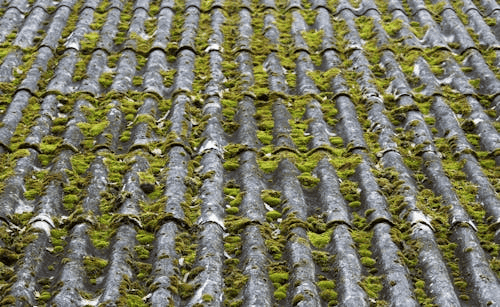
Homeowners often think the roof has suddenly gotten worse. In truth, the stains were there all winter. Spring’s lighting and drying conditions reveal them. Streaking is not just ugly. It signals moisture problems underneath. Discoloration often looks worse in April than in any other month.
Conclusion
Emergency repairs cost more. Spring is the low-stress season to inspect. Walk the property. Look for missing granules. Check valleys. Note any streaking. A roof that shows heavy streaking in spring needs attention. The streaks hold moisture and block sunlight. Sunlight helps dry the roof. Blocked sunlight keeps the roof damp. Damp roofs grow more algae. It is a cycle that ends only with a cleaned or replaced roof. Spring checks do not have to be complicated.