

The hidden home issues most people notice too late
A home usually feels safe until small warning signs start showing up. Maybe there is scratching behind the walls at night. Maybe ants keep appearing near the sink, no matter how often the counter gets cleaned. These problems rarely arrive all at once. They build slowly while people stay busy with work, errands, and everyday life. Toronto’s changing weather also makes homes attractive to pests throughout the year. Cold winters drive rodents indoors, while warmer months bring insects closer to kitchens, basements, and storage areas. Because of this, many homeowners now seek reliable pest control in Toronto services before minor problems turn into costly repairs or stressful infestations.
This guide explains everything clearly and naturally. No confusing terms. No dramatic scare tactics that make every tiny bug sound like a disaster movie. You will learn why pests enter homes, which signs deserve attention, and how simple routines can help prevent future issues. Some people think pests only affect neglected houses, but that is not true at all. Even clean, modern homes can experience sudden pest activity because tiny openings near pipes, doors, or windows make entry easy. Let’s be honest, nobody wants to wake up and find unwanted visitors running across the kitchen floor. By the end of this guide, you will have practical ideas that help protect your home, reduce stress, and create a cleaner space for everyone living there.
What attracts pests into homes across busy city neighborhoods
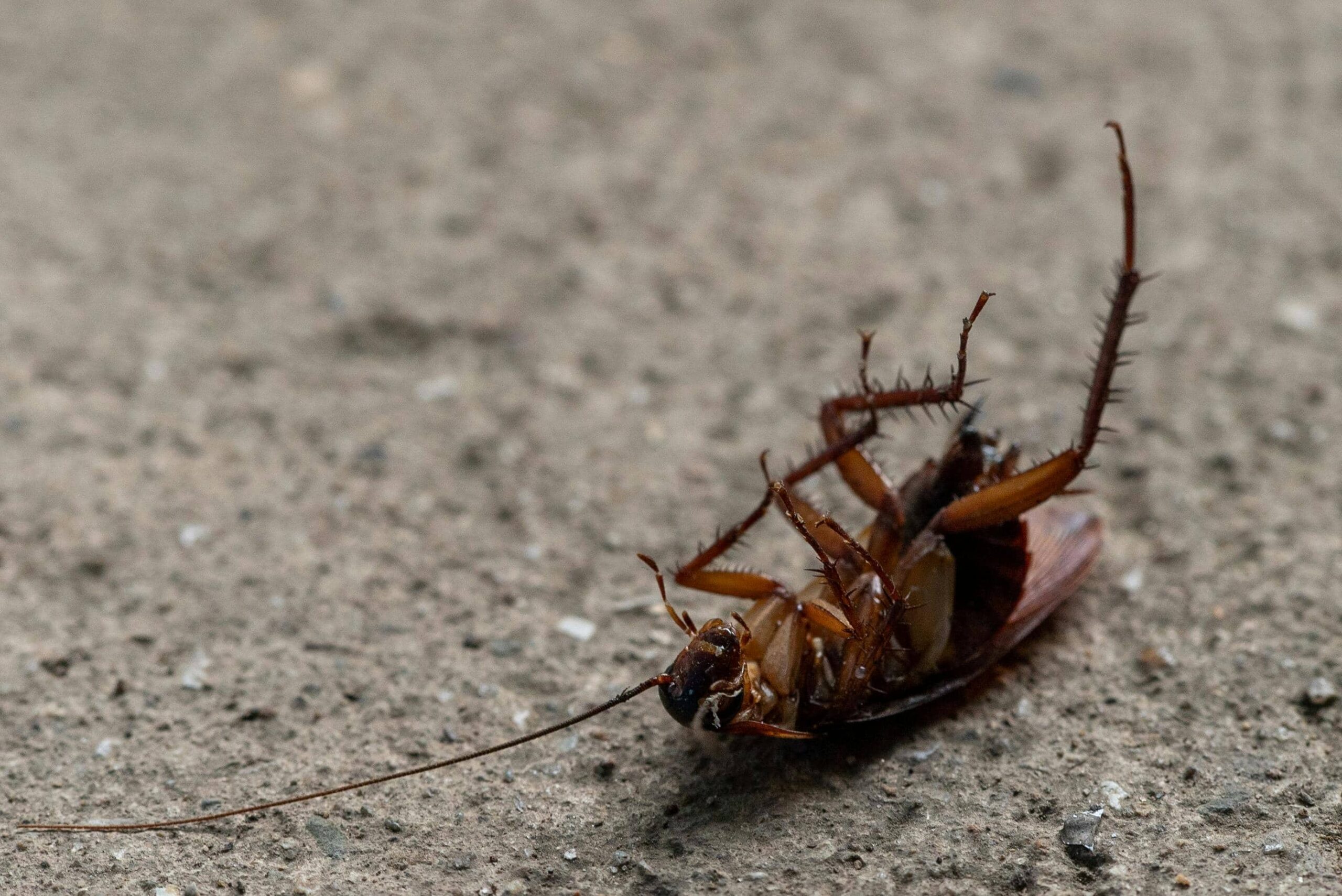
City homes create easy opportunities for pests. Food scraps, warm rooms, and hidden moisture pull them indoors fast. Even clean homes can face sudden infestations. Rodents only need tiny gaps near foundations or vents to enter. Cockroaches search for damp places near sinks and pipes. Ants travel indoors when outdoor weather shifts quickly. Toronto neighborhoods with older buildings often face additional challenges because cracks and aging materials provide pests with more hiding places. Some people assume pests disappear during winter. Funny enough, winter often drives them deeper into homes where warmth and food are available. That is why early prevention matters more than waiting to react later.
Small household habits influence pest activity more than people realizes. Overflowing trash bins attract insects quickly. Pet food left overnight becomes an easy target. Cluttered basements also create quiet nesting spots for mice and insects.
Helpful prevention steps include:
• Closing small wall openings near doors and pipes
• Keeping dry food sealed in sturdy containers
• Cleaning under kitchen appliances weekly
• Removing standing water near sinks or laundry areas
• Trimming outdoor plants touching exterior walls
Simple actions lower the chance of larger infestations later. Most pest problems grow slowly at first. By the time visible signs appear daily, pests have usually settled deeper into the property. Paying attention early saves both money and frustration.
How regular inspections help avoid larger household problems
Pest problems often stay hidden for weeks or months. That makes inspections extremely important. Rodents chew wires inside walls without making an obvious noise. Termites damage wood slowly beneath floors or behind furniture. Bed bugs spread quietly from room to room before homeowners notice bites. Waiting too long usually means higher repair costs later. Regular inspections help identify risks before major damage spreads. Many homeowners feel nervous about scheduling inspections because they fear expensive news. In reality, small early fixes cost far less than large repairs after an infestation grows.
Professional inspections also provide peace of mind. Experts understand where pests hide and what signs matter most. Tiny droppings, strange smells, or moisture spots all reveal possible activity. Some warning signs look harmless to homeowners but stand out immediately to trained eyes.
During a standard inspection, specialists often:
- Check attics and basements carefully: Short inspections uncover nesting areas before rodents multiply indoors.
- Look for hidden moisture: Wet spaces attract insects fast and increase long-term risk.
- Inspect walls and foundations: Small cracks create easy pathways for pests throughout the year.
- Review outdoor conditions: Garbage storage and landscaping often affect indoor pest activity.
Regular inspections support healthier living spaces. They also help homeowners feel more confident, rather than constantly wondering what might be hiding behind walls or ceilings.
Why small daily habits matter more than expensive treatments
Many people expect pest control to involve complicated treatments or strong chemicals. Truth is, everyday habits influence pest activity far more than expensive products. Homes become less attractive to pests when cleanliness and maintenance are consistent. Crumbs under tables invite ants quickly. Leaking pipes create damp spaces where insects thrive. Piles of cardboard boxes provide shelter for rodents. You do not need a perfect house to lower pest risks. You simply need better routines repeated often.
Kitchens and bathrooms deserve extra attention because pests gather where water and food are available. Quick nightly cleaning is more effective than occasional deep cleaning once a month. Families who stay consistent usually notice fewer recurring issues over time.
Useful habits include:
• Taking garbage outside before bedtime
• Vacuuming hidden corners regularly
• Drying sinks and counters after use
• Storing pet food in sealed containers
• Checking packages before bringing them indoors
Some homeowners feel embarrassed discussing pest issues. Honestly, pests happen everywhere. Apartments, condos, family homes, and businesses all face them at some point. Consistent habits simply make infestations harder to grow. Prevention stays easier than dealing with a serious problem later.
Where long-term pest prevention creates a calmer home life
A home feels different when pest worries disappear. Families sleep better. Kitchens feel cleaner. Storage rooms stop becoming stressful places nobody wants to enter. Long-term prevention creates a sense of comfort that goes beyond simply removing insects or rodents. It helps protect property value, reduce repair costs, and support healthier year-round living conditions. The best results usually come from combining smart habits with timely professional support when needed.
We believe homeowners deserve practical guidance without fear-driven messaging or confusing advice. Staying alert to small warning signs makes a huge difference over time. Tiny changes today often prevent larger headaches months later. Whether you face ants, rodents, or seasonal pest activity, steady prevention keeps homes safer and easier to manage. If you stay proactive and informed, your space becomes far less welcoming to pests and far more comfortable for the people who matter most.