

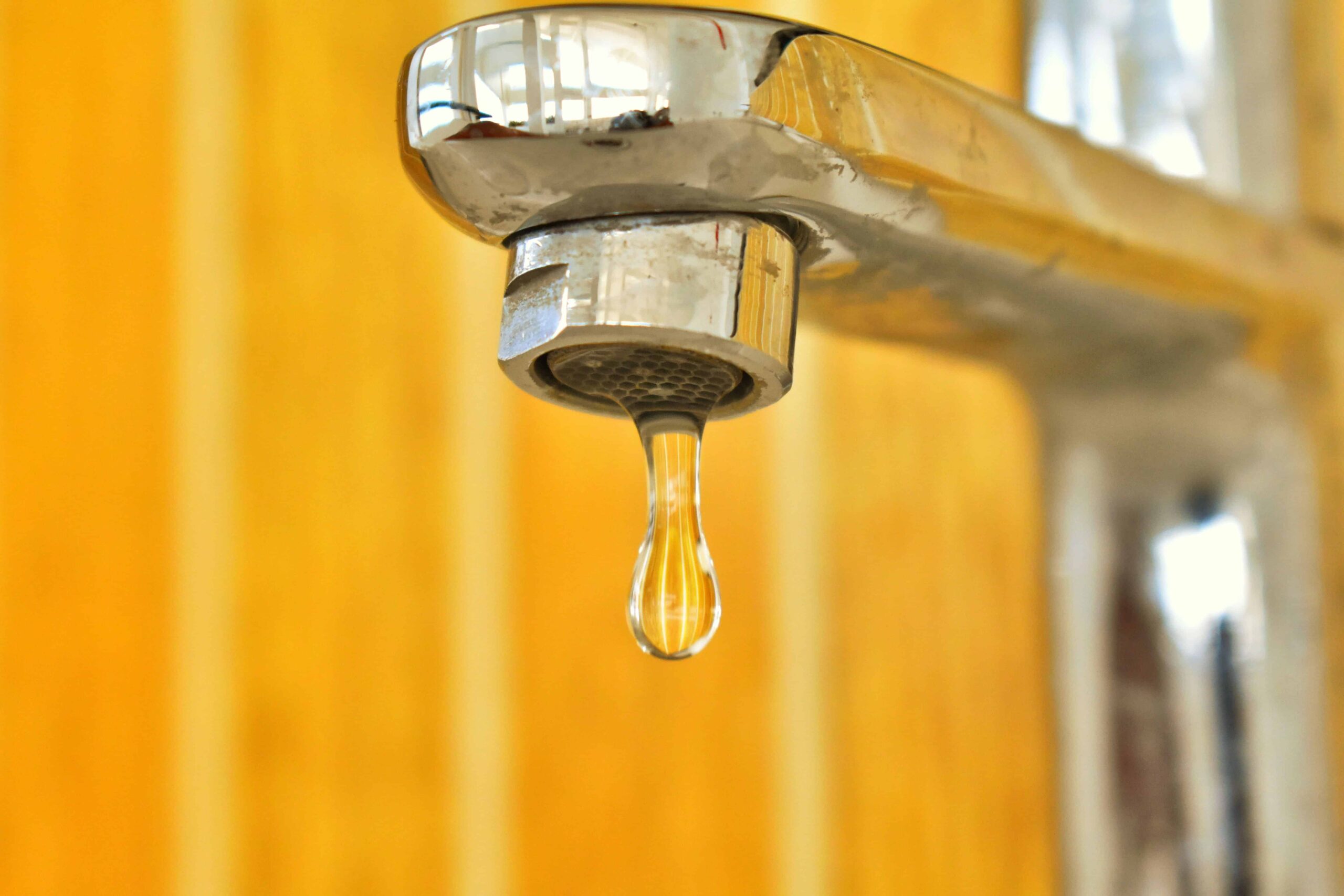
Ever wonder how new homes manage to be so water-wise? Home builders are getting creative, installing cool features like low-flow toilets and showers, systems that recycle your used water (called greywater systems), gardens that don’t need much water, smart sprinklers, and even rain-catching barrels. These upgrades can slash your water use by 30% or more, save you money on bills, and help ease worries about water shortages, especially in super dry places like Arizona and Nevada.
Being water-efficient isn’t just a “nice-to-have” anymore—it’s pretty much expected in new homes. With water bills going up and droughts making headlines, everyone’s looking for ways to save. The cool part? Builders have come up with a bunch of smart, behind-the-scenes features that cut down on waste without you even noticing.
So, if you’re in the market for a new place or just daydreaming, knowing about these features can help you make a smarter choice. Some of these upgrades can pay for themselves in just a few years with the money you save on water. Others can even boost your home’s value, especially where water is a hot topic. This guide will walk you through the water-saving gadgets and gizmos builders are using today, what they do, and why they’re a huge deal in desert climates.
Why Water Conservation Has Become a Priority in New Construction
Several forces are driving the shift toward water-efficient homes. The U.S. Environmental Protection Agency estimates that the average American family uses more than 300 gallons of water per day at home, with roughly 70% of that use occurring indoors. Wasted water means wasted money, and homeowners are paying attention.
Building codes are also evolving. Many states and municipalities now require WaterSense-labeled fixtures or set strict limits on outdoor irrigation. Builders who get ahead of these requirements avoid costly retrofits and appeal to a more environmentally conscious buyer.
Finally, there’s the resale angle. Energy- and water-efficient homes tend to command stronger interest from buyers, particularly younger generations who weigh sustainability when shopping for a property.
What Are the Most Common Water-Saving Features in New Homes?
Builders typically combine several features to maximize savings. Here are the ones showing up most often in today’s new construction.
Low-Flow Fixtures and WaterSense Products
Low-flow toilets, faucets, and showerheads are among the simplest and most widely adopted upgrades. Products carrying the EPA’s WaterSense label are independently certified to use at least 20% less water than standard models while still performing well.
A WaterSense-labeled toilet, for example, uses 1.28 gallons per flush or less, compared to older models that use 3.5 gallons or more. Across a year, that difference adds up to thousands of gallons saved per household.
Smart Irrigation Systems
Outdoor watering accounts for a major share of residential water use. Smart irrigation controllers solve this by adjusting watering schedules based on weather data, soil moisture, and plant needs. Some connect to local weather stations and skip watering on rainy days automatically.
These systems can reduce outdoor water use significantly compared to traditional timer-based sprinklers, making them especially valuable for homes with lawns or gardens.
Greywater Recycling Systems
Greywater systems capture gently used water from showers, bathroom sinks, and laundry, then redirect it for irrigation or toilet flushing. Rather than sending that water down the drain, the home puts it to a second use.
Builders in water-stressed regions are increasingly plumbing new homes to accommodate greywater systems, even when the full system isn’t installed at the outset. This “greywater-ready” approach makes future upgrades far cheaper.
Rainwater Harvesting
Rainwater harvesting systems collect runoff from roofs and store it in tanks or cisterns for later use—typically irrigation. In regions with seasonal rainfall, even a modest system can offset a meaningful portion of outdoor water demand.
Tankless and High-Efficiency Water Heaters
While often discussed for energy savings, tankless water heaters also reduce the water wasted while waiting for the tap to warm up. Paired with recirculation systems, they deliver hot water faster and cut down on the gallons that otherwise run down the drain.
Drought-Tolerant Landscaping
Also called xeriscaping, drought-tolerant landscaping replaces thirsty lawns with native plants, gravel, mulch, and efficient design. These yards need far less irrigation and maintenance, and they thrive in climates where water is scarce.
Why Water-Saving Features Matter Most in Desert Climates
Nowhere is water efficiency more urgent than in the arid Southwest. Cities like Phoenix, Arizona, and Las Vegas, Nevada, have made national headlines as the Colorado River—a primary water source for both regions—faces historic shortages. The federal government has declared water shortages on the river, triggering cuts to state allocations.
In response, builders and local governments in these areas have embraced conservation aggressively. Las Vegas, through the Southern Nevada Water Authority, has paid residents to remove grass lawns and has banned “non-functional” turf in some developments. Arizona communities have adopted similar measures, encouraging xeriscaping and tight controls on outdoor watering.
For homeowners in these markets, water-saving features aren’t just about saving money—they’re about long-term livability and property value. A home built with drought-tolerant landscaping, greywater plumbing, and smart irrigation is better positioned to handle future restrictions and rising water rates. Buyers in Arizona and Nevada increasingly view these features as essential rather than optional.
How Much Can Water-Saving Features Actually Save?
Savings vary by household size, climate, and which features are installed, but the potential is substantial. The EPA notes that WaterSense products and practices can help a typical home reduce water use significantly and cut water bills accordingly. Combine indoor fixtures with smart outdoor irrigation and drought-tolerant landscaping, and total reductions of 30% or more are realistic.
In high-cost or high-restriction markets, those savings compound. Lower bills, reduced exposure to water rate hikes, and stronger resale appeal all add up over the life of the home.
Choosing the Right Features for Your Home
The best mix of features depends on your climate, budget, and goals.
- Choose low-flow fixtures and a tankless water heater if you want affordable, high-impact upgrades that work in any climate.
- Choose smart irrigation and drought-tolerant landscaping if you live in a hot, dry region or have significant outdoor space to maintain.
- Choose greywater recycling and rainwater harvesting if you’re building from scratch or live in a water-stressed area where every gallon counts.
Working with a builder experienced in water-efficient construction ensures these systems are installed correctly and sized appropriately for your needs.
Building Smarter for a Drier Future
Water-saving features have shifted from luxury add-ons to practical necessities, driven by rising costs, stricter regulations, and real concerns about supply. For buyers everywhere—and especially those in desert markets like Arizona and Nevada—these features offer lower bills, greater resilience, and stronger long-term value.
If you’re planning a new build or shopping for a home, ask your builder or agent which water-saving features are included and which can be added. A few smart choices today can pay off for years to come.
Water Saving FAQs in New Home Construction
What is the most effective water-saving feature for a new home?
There’s no single answer, but low-flow WaterSense fixtures deliver the best value for most homeowners because they’re inexpensive, work in any climate, and cut indoor water use immediately. In dry regions, smart irrigation and drought-tolerant landscaping often produce the largest overall savings since outdoor watering accounts for so much consumption.
How much do water-saving features add to the cost of a new home?
Costs vary widely. Low-flow fixtures and smart irrigation controllers are relatively inexpensive, while greywater recycling and rainwater harvesting systems require a larger upfront investment. Many builders now offer “greywater-ready” plumbing during construction, which lowers the cost of adding a full system later.
Are water-saving features required by law?
It depends on your location. Many states and cities require WaterSense-labeled fixtures or limit outdoor irrigation, and areas like Las Vegas have banned non-functional grass in certain developments. Check your local building codes and water authority for specific requirements.
Why are water-saving homes especially important in Arizona and Nevada?
Both states rely heavily on the Colorado River, which faces historic shortages that have triggered federal water cuts. As a result, builders and local governments in cities like Phoenix and Las Vegas have prioritized conservation, making water-efficient homes more practical, resilient, and valuable in these markets.
Do water-saving features increase home value?
They can. Lower utility bills, protection against rising water rates, and growing buyer demand for sustainable features all contribute to stronger resale appeal—particularly in water-stressed regions where conservation is top of mind.