

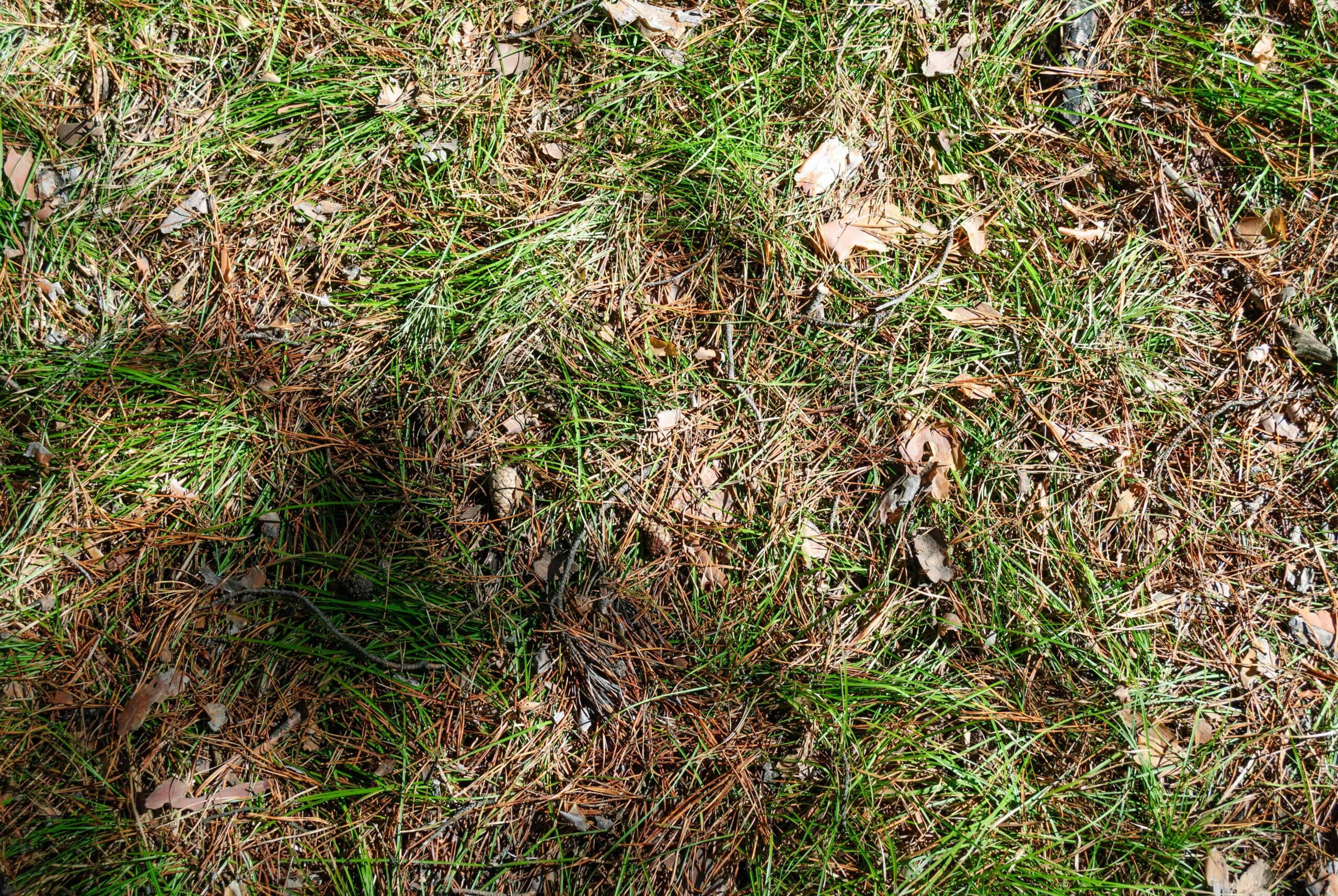
Maintaining a healthy, vibrant lawn requires consistent attention to environmental factors, especially during seasons when turf diseases become prevalent. If you are noticing discolored or irregular spots in your grass, professional Brown Patch Treatment is an essential step to stop the spread of fungus and restore your landscape’s health.
Taking proactive measures is the most effective way to protect your lawn investment, as untreated fungal infections can kill grass roots and result in permanent bare patches. Addressing these concerns early ensures your turf remains a lush, uniform focal point for your property while minimizing long-term repair costs.
Identifying Lawn Pathogens
Brown patch is a common fungal disease caused by the Rhizoctonia pathogen, which typically thrives in warm, humid conditions. Early signs often include circular patches of thinning or yellowing grass that can quickly turn brown as the disease progresses. Because it can be easily confused with drought stress or other turf issues, professional diagnosis is often the most reliable way to determine the specific cause of the damage.
Effective Management Strategies
Managing lawn health effectively involves both preventative care and responsive treatment. Professionals often combine soil-first strategies—such as improving drainage, reducing thatch buildup, and increasing aeration—with targeted applications of fungicides when environmental conditions favor disease development. These treatments are significantly more effective when applied at the earliest signs of stress rather than after widespread damage has occurred.
In addition to treatment, proper lawn care practices play a major role in preventing recurrence. Adjusting irrigation schedules to avoid excessive moisture, mowing at the correct height, and ensuring balanced fertilization can all help reduce the conditions that allow fungal diseases to thrive. Consistency in these practices creates a healthier growing environment overall.
Seasonal Risk Factors
Brown patch tends to develop most aggressively during periods of high humidity and warm nighttime temperatures. Lawns that remain damp for extended periods—whether due to overwatering, poor drainage, or dense shade—are particularly vulnerable. Understanding these seasonal patterns allows homeowners to take preventative action before visible symptoms appear.
Professional lawn care providers monitor these environmental triggers closely and adjust treatment schedules accordingly. This proactive approach helps interrupt the disease cycle and minimizes the likelihood of large-scale turf damage during peak risk periods.
Long-term Turf Protection
A comprehensive approach to lawn care ensures that your grass is better equipped to handle external stressors like disease, heat, and seasonal humidity. By working with experts, you can establish a tailored treatment plan that focuses on building thick, green turf that is more resilient to future outbreaks.
Regular evaluations, soil health improvements, and expert monitoring provide the best defense against recurring lawn issues throughout the year. Investing in professional care not only restores your lawn’s current condition but also strengthens it against future challenges, helping maintain a consistently healthy and attractive landscape.