

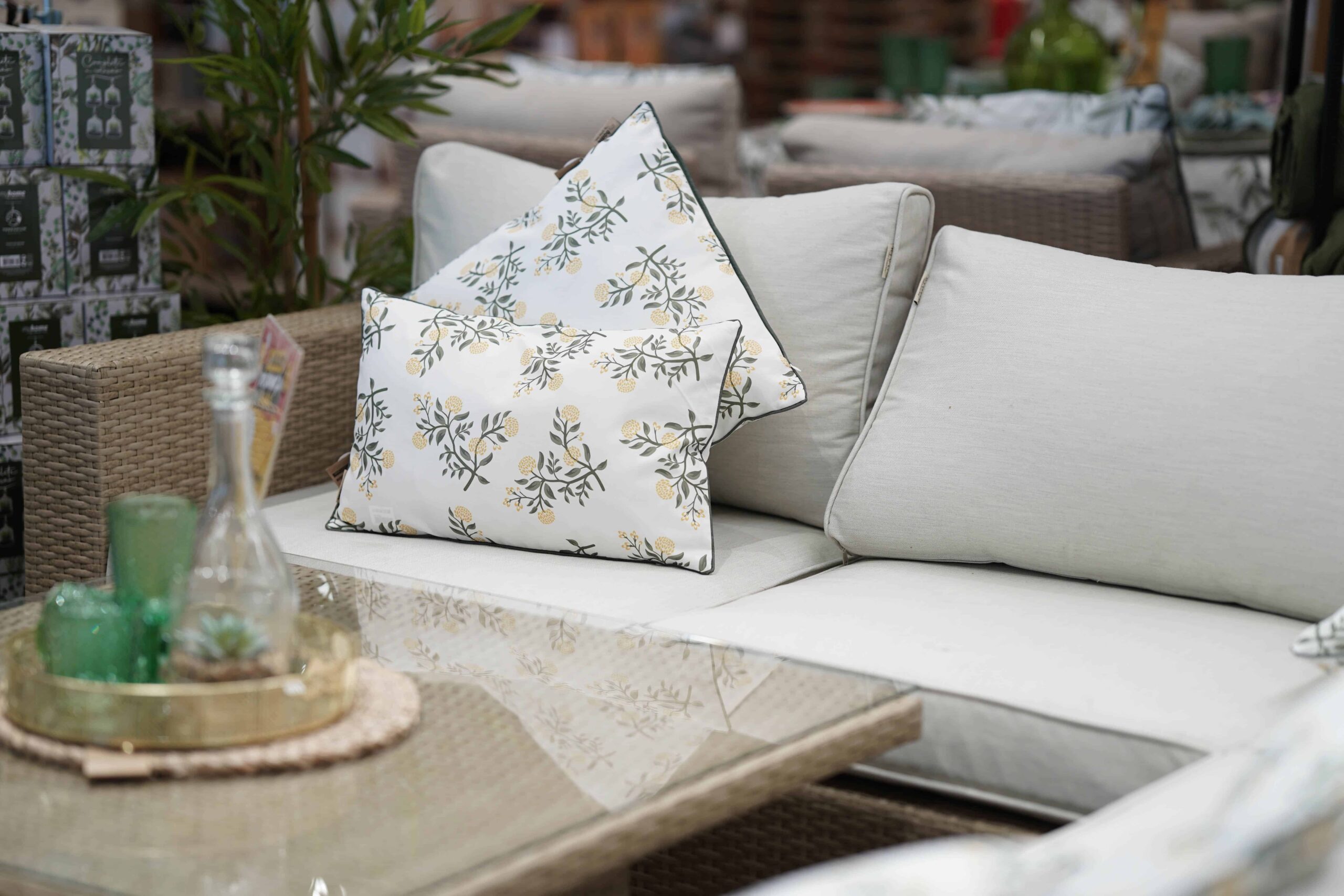
Outdoor spaces can go wrong in two very different ways. Some end up feeling almost empty, with a couple of chairs pushed against a wall and a lonely pot plant doing its best to create atmosphere, while others become so full of furniture, cushions, lanterns, side tables and decorative bits that there’s barely room to move through them comfortably. The sweet spot is somewhere in the middle, where the area feels relaxed and welcoming without looking like everything from the outdoor section has been invited to the party.
A good starting point is usually the table, because it gives the seating area a clear centre and helps the whole space feel intentional. Something like a designer outdoor coffee table can do more than hold drinks and a grazing board; it can anchor the furniture, introduce texture or shape, and make an outdoor lounge feel like a proper living area rather than a few chairs that happen to be outside.
Start With How the Space Will Be Used
Before thinking too much about styling, it’s worth asking how the area is actually going to function. A balcony used for morning coffee will need something very different from a covered entertaining area where friends gather on warm evenings, and a family space that has to cope with kids, pets and weekend lunches needs different choices again. Once you’re honest about how the space will be used, the styling decisions become much easier.
If people will be eating outside regularly, surfaces matter. If the space is mainly for lounging, comfort and flow become the priority. If it’s a small courtyard, every piece needs to earn its place, because there’s nothing relaxing about squeezing around oversized furniture just to sit down. The best outdoor areas feel easy to use, not staged for a photo and impossible to live with.
Keep the Materials in Conversation
Outdoor styling works best when the materials feel connected to the surroundings. Timber can soften a paved courtyard and make it feel warmer, metal can give a crisp architectural edge, while stone, concrete or ceramic pieces can bring weight and texture to a space that might otherwise feel too light. You don’t need everything to match perfectly, and in fact it’s often better when it doesn’t, but the pieces should still look like they understand each other.
This is especially true when you’re choosing a central table. A chunky table can make a large sofa setting feel grounded, while a lighter, slimmer design may be better for a compact balcony or a space that already has strong visual lines. Shape matters too, because a round or oval table can make movement feel easier, while a rectangular one can suit a more structured lounge arrangement.
Edit More Than You Add
It’s tempting to keep layering pieces until the space feels “finished”, but outdoor areas usually benefit from a bit of restraint. A few cushions, a useful tray, a plant with height and some soft lighting can go a long way. Too many small accessories can quickly become annoying, especially when wind, rain and regular cleaning are part of the equation.
Let the Space Breathe
A considered outdoor living area doesn’t need to be packed with decoration to feel complete. It needs comfortable seating, useful surfaces, materials that can handle the weather, and enough open space for people to move around naturally. When those basics are right, the area starts to feel like an extension of the home, which is exactly what outdoor living should do.