

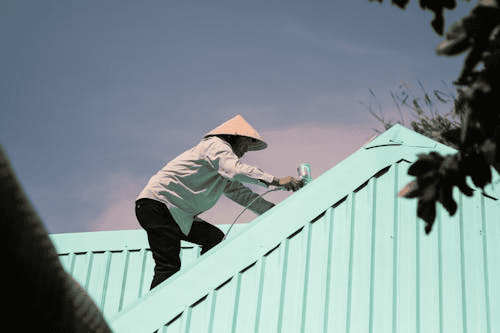
A roof is more than just a cover. Its shape, slope, and materials determine the amount of work that a home requires during each of the four seasons. Any roofing design that is simple will be easy to maintain. Multiple designs catch dirt and conceal any damage. The knowledge of the differences makes an owner plan better.
Steep roofs shed rain.
In snowy areas, steep roofs are prevalent. Their water is rushing down quickly. High angles make maintenance more difficult. On their own, leaves and twigs will fall off. Regretfully, ladders, ropes, or lifts are needed for inspections. Homeowners must seek professional assistance, even for minor inspections. Cleaning chimneys and vents for the season is also challenging.
Dormers Add Charm
Dormers break up a roofline with little windows. They look nice from the street. However, valleys are formed on both sides by each dormer. Every leaf, pine needle, and twig that falls falls into those valleys. Dormer valleys quickly fill in the fall. Wet leaves stick together. They block water paths. Wood rot starts in these dark corners. Checking dormers takes extra time.
Metal Roofing Reduces Work
Leaves blow away with a light wind. That sounds perfect. But metal has its own seasonal needs. Fasteners can back out over time. Thermal expansion makes panels shift. A loose screw becomes a leak. Gutters under metal roofs fill with tiny rubber washers from old fasteners. These washers clog downspouts. Walk on metal carefully. Soft-soled shoes prevent dents.
Gutters suffer the most damage.
Each season dumps different material into gutters. Spring brings pollen and seeds. Summer has dust and insects. Autumn fills gutters with heavy leaves. Winter adds ice weight. A clogged gutter overflows. That overflow soaks fascia boards and rots rafters.
Drainage Flow Starts at the Ridge
Water takes the easiest path down a roof. That path is decided by valleys, slopes, and edges. A small change in roof shape changes the whole drainage map. Poor flow leaves puddles on flat sections. Puddles lead to leaks. Leaks lead to mold. Mold leads to costly repairs. Watch where water runs off after a rain. Start at the peak. Watch water travel. Fix any slow spots. Add splash blocks or extend downspouts away from walls.
Architectural Complexity
Maintenance time goes up fast. A straight roofline takes one hour to inspect. A complex roof takes half a day. More corners mean more leaks. More flashing means more failures. Simplicity is a friend to low maintenance. Walk around the house and count the roofline changes. Each change is a maintenance task. Reduce complexity when building new.
Roofline Complexity Also Affects Outdoor Christmas Lighting Installation Planning
Installing lights on a simple ranch home is easy. A ladder and a few clips do the job. Complex roofs change everything. Steep slopes, high dormers, and metal surfaces each need different attachment methods. Older or custom-built homes have irregular edges. Gutters may be uneven. Fascia boards may be soft. Planning for outdoor christmas lighting must start in the fall, not December.
How Rooflines Affect Maintenance
1. Count the valleys and dormers
2. Measure the slope angle
3. Check the gutter length and downspout placement
4. Look for roof penetrations
5. Assess the roofline height
Conclusion
Roof design decides nearly every seasonal maintenance task. A simple, steep metal roof sheds debris but requires pro access. Older and custom homes demand even more attention. Plan each season’s work around the roof’s shape. Keep a written calendar. Hire help for steep or high areas. A roof that is maintained on time lasts decades longer. A roof that is ignored fails fast. Know the roofline.