

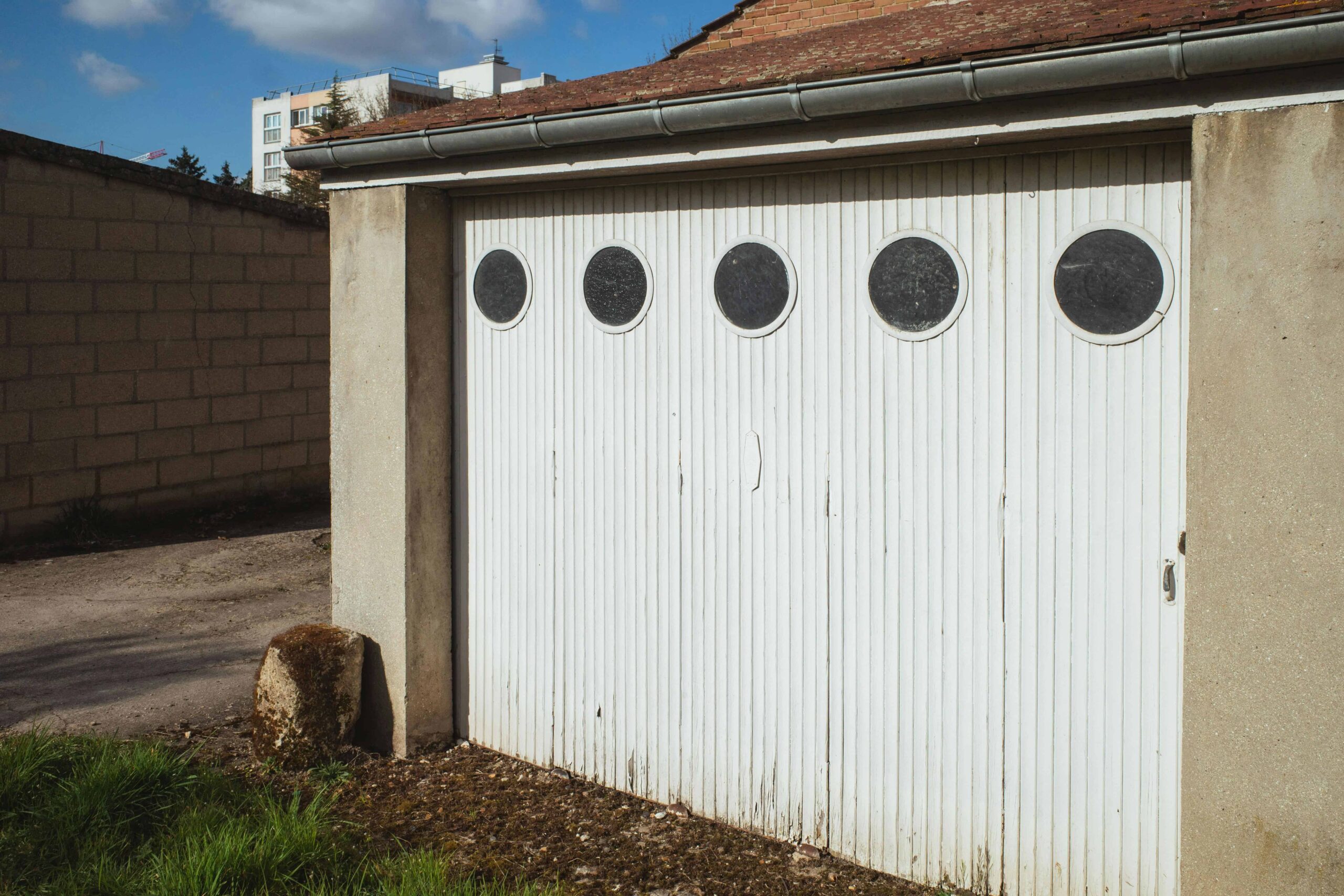
The failure of garage doors in Florida cannot be explained solely by aging and use. More often than not, issues start from factors such as humidity. The most obvious things owners think of are the elements, impacts, or malfunctioning motors, but humidity can affect the garage door much earlier, before it actually breaks down.
This is important since the garage door is a significant part of any managed or residential property. This means it is exposed to various conditions, including temperature fluctuations, humidity, a salty atmosphere (which is common), and daily use. Humidity in Florida can cause malfunctions before issues arise, helping owners predict certain problems and prepare for them.
Why Moisture Changes Door Performance
- Florida Conditions Speed Up Wear
Humidity does not always announce itself through dramatic damage. More often, it shows up through a gradual decline. A property manager speaking with Garage Doors Experts may notice the same pattern across multiple buildings: doors start sounding rougher, moving less evenly, or responding more slowly, even when there has been no obvious accident. That is because humid air can influence nearly every exposed component. Metal parts are more prone to corrosion, lubricants break down faster, and materials that rely on stable alignment can begin drifting out of smooth operation. The result is not always immediate failure, but a steady increase in repair risk.
- Metal Components Face Constant Exposure
The garage door comprises an assembly of metallic components that function effectively under conditions of strain and mobility. These include springs, rollers, hinges, cables, brackets, hardware, and tracks, which work effectively when their movement is unimpeded while maintaining the required strength. In a humid environment, metallic components can get wet even without rain, due to condensation and the surrounding moisture. Over time, the metal will corrode because its surface remains wet for extended periods, especially in a poorly ventilated garage. As soon as corrosion sets in, it makes the moving parts less smooth, increasing friction.
- Rust Changes More Than Appearance
Initially, many owners may view rust as an aesthetic problem. However, in a garage door mechanism, this thinking can prove expensive. Hinges rusting can limit pivot movement. Tracks that are rusting can hinder the movement of the rollers. Rusting of cables and spring mechanisms can compromise the structural integrity of load-bearing components. If the above components rust out, jerky, stiff, or uneven operation is expected. The situation gets worse when one considers safety because rusted components cannot fail in a manner that does not harm people. Humidity in Florida makes the process quick.
- Springs And Cables Work Harder
Both torsion springs and extension springs work under repetitive stress. When you throw in humidity, the operating conditions get even tougher. Humidity accelerates surface damage, which, in turn, leads to corrosion. Once the corrosion sets in, the spring will degrade faster than most people realize. The same thing applies to lift cables. Lift cables have to be strong and flexible. Under humid conditions, the cables are more likely to develop rust between the wires or at their joints. The door will continue to function under these circumstances, although not as efficiently. This is one reason why homes in Florida require more careful monitoring of springs and lift cables than many homeowners realize.
- Tracks And Rollers Lose Efficiency
The smooth operation of a garage door requires precise interaction between the tracks and rollers. Even in a damp area, any signs of corrosion or dirt can affect their performance. The rollers might become stiff and unable to roll smoothly. Instead, they will start moving by scraping. The tracks might have some areas where the surface becomes irregular, causing vibration and sound. It might make you think that the opener is at fault, although the true cause is the additional resistance during the process. This is important since continued use with the presence of resistance will put more pressure on the entire system.
- Weather Seals Break Down Faster
Humidity in Florida also influences the system’s softer elements. Bottom seals, perimeter weatherstrips, and other related materials might wear out faster in humid conditions, as well as from heat and sun exposure. When seals become hardened, cracked, or warped, they lose their functionality and do not perform adequately. This results in an additional inflow of humid air, dust particles, insects, and water into the areas surrounding the garage entryway. In addition, for the owners of the buildings, this leads to a new cycle of destruction that occurs because of one defective component.
Humidity seeps in, damaging adjacent components and degrading the interior environment.
- Wood And Composite Doors Respond Differently
However, different garage doors behave differently in humid weather. Wood doors may swell due to moisture absorption and lose stability over time if no measures are taken to prevent it. Although composite doors do not suffer as much from moisture as natural wood doors, they are still affected by exposure to the elements, regardless of the material used. Even metal doors with a foam core can have problems with moisture entering sensitive areas and causing damage. For that reason, humidity in Florida requires different kinds of repairs for different garage doors.
- Openers Can Show Secondary Symptoms
Most garage door openers come under scrutiny when their performance is inconsistent. It may be due to the remote control’s signal range, motor noise, or unexpected door reversals. At times, the problem may actually lie with the opener; however, humidity often plays a secondary role, making the other components of the garage door mechanism difficult to operate. If humidity causes degradation of spring strength, roller friction, or track surfaces, the opener will need to exert more effort to operate the door.
Humidity Turns Minor Wear Into Repairs
Humidity in Florida affects garage doors in several ways, including increased corrosion, changes in spring and cable tension, deterioration of seals, increased resistance in tracks and rollers, and accelerated wear that may require repairs. This is not just the presence of moisture. This moisture will affect multiple components of a mechanical system. Moreover, these effects can be subtle enough to go unnoticed by homeowners until they become clear through the degradation of their performance. Humidity, therefore, is not simply part of the weather but a maintenance issue in its own right.