

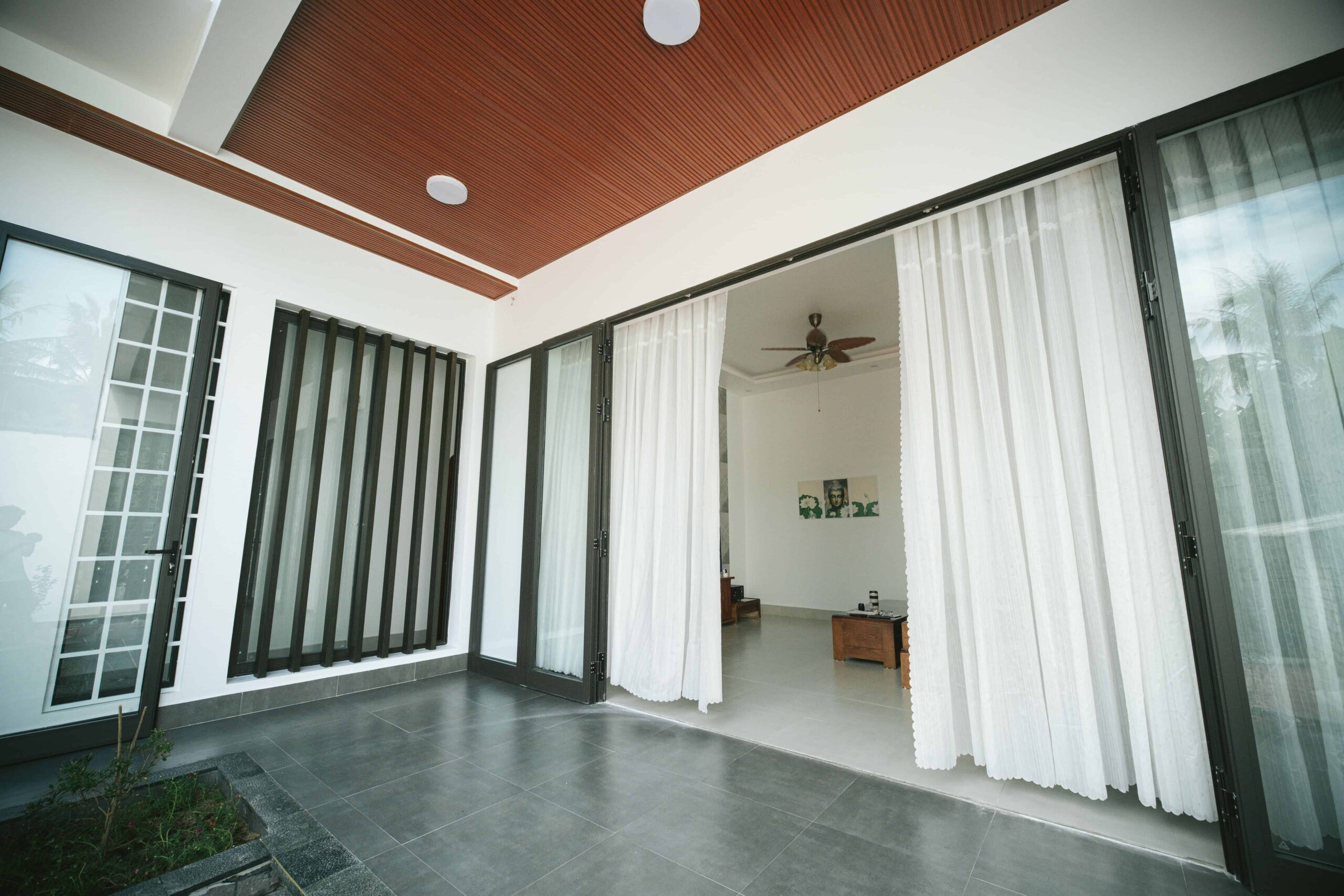
Living in a coastal home offers stunning views, serene breezes, and a tranquil lifestyle. However, such properties also face unique challenges due to the extreme environmental conditions associated with coastal areas, including high humidity, salty air, strong winds, and frequent exposure to harsh sunlight.
Choosing durable, weather-resistant materials is essential for any construction or renovation in these regions—especially for sliding doors that act as a gateway to breathtaking ocean vistas. While wood and uPVC sliding doors are common options, aluminum sliding doors stand out as the best choice for coastal homes. They offer superior durability, weather-resistance, and aesthetics, making them ideal for properties near the sea.
In this blog, we’ll explore why aluminum sliding doors outperform wood and uPVC in coastal conditions and why they are the perfect solution for your seaside escape.
1. Resistance to Moisture and Salt Air
Coastal homes face constant exposure to salty air and high humidity, both of which can severely compromise the longevity and appearance of materials like wood and uPVC.
Why Aluminum Wins in Coastal Areas:
Corrosion Resistance: Modern aluminum sliding doors come with powder-coated or anodized finishes, which provide excellent protection against corrosion and rust caused by the salty, moist air.
Moisture Resistance: Unlike wood, aluminum does not absorb water, which means there’s no risk of warping, rotting, or swelling when exposed to humidity.
Challenges with Wood and uPVC:
Wood: While wood is visually appealing, it is highly vulnerable to moisture. Salt air can lead to warping, swelling, and eventual decay, making wooden doors a poor choice for coastal homes unless treated frequently. Even treated wood can succumb to the harsh effects over time.
uPVC: Although uPVC is water-resistant, prolonged exposure to salty air can weaken its structure, cause discoloration, and make it brittle over time.
2. Strength to Withstand Strong Coastal Winds
High wind pressure is common in coastal areas, and sliding doors must be able to handle these forces without bending, breaking, or allowing drafts to enter.
Why Aluminum Wins in Coastal Areas:
Superior Strength-to-Weight Ratio: Aluminum is inherently stronger than wood or uPVC, allowing it to withstand heavy winds while maintaining its shape and performance.
Wind Load Resistance: Aluminum sliding doors are designed to meet stringent wind load requirements, making them ideal for hurricane-prone regions or homes on exposed coastlines.
Challenges with Wood and uPVC:
Wood: Wood sliding doors can weaken at their joints when subjected to constant wind pressure. Over time, this leads to frame distortion and operational issues.
uPVC: Although uPVC frames are reinforced with steel for greater strength, large uPVC sliding doors are prone to flexing under extreme wind loads, causing warping or misalignment.
3. Weather Resistance and Lifespan
The lifespan of a sliding door in a coastal home depends heavily on its ability to endure relentless exposure to changing weather conditions, including salty air, intense sunlight, and fluctuating temperatures.
Why Aluminum Wins in Coastal Areas:
Durability Under Harsh Conditions: Aluminum is highly resistant to corrosion, UV damage, and temperature variations. Its weather-resistant properties ensure long-lasting performance, even in extreme coastal climates.
Longevity: Aluminum sliding doors can last several decades with minimal maintenance. They retain their strength, finish, and functionality over time, making them a reliable choice for coastal properties.
Challenges with Wood and uPVC:
Wood: Without frequent treatments, wood will degrade quickly in coastal environments. Additional sealing or staining may temporarily protect it, but the maintenance demands can become costly and time-consuming.
uPVC: uPVC can become discolored or brittle over years of exposure to intense coastal sunlight and salt-laden air. While low-maintenance at first, it may require repairs or replacements sooner than aluminum.
4. Low Maintenance Requirements
Coastal conditions often demand high maintenance for materials like wood and uPVC. Frequent cleaning, painting, and repairs are common to prevent damage and ensure continued functionality.
Why Aluminum Wins in Coastal Areas:
Minimal Upkeep: Aluminum sliding doors require little maintenance beyond occasional cleaning to remove salt residue or debris. Their weather-resistant coatings prevent the need for repeated treatments or finishing.
Easy Cleaning: Aluminum’s smooth surface makes it easy to keep clean, even with accumulated salt and sand.
Challenges with Wood and uPVC:
Wood: Maintaining a wooden sliding door in a coastal environment is labor-intensive. Regular sanding, staining, or sealing is necessary to shield it from moisture, rot, and discoloration.
uPVC: While uPVC requires less maintenance than wood, it may require frequent cleaning to prevent damage or discoloration from salt buildup. Once it becomes brittle or stained, repairs are challenging and replacement may be necessary.
5. Design Flexibility and Aesthetics
Sliding doors are more than just functional—they are a key design element that enhances the beauty of coastal homes by framing ocean views and creating seamless indoor-outdoor transitions.
Why Aluminum Wins in Coastal Aesthetics:
Sleek, Modern Designs: Aluminum’s strength allows for slim, minimalist frames that maximize glass area, offering unobstructed views of the surrounding natural beauty.
Custom Finishes: Aluminum sliding doors come in a wide range of finishes, allowing homeowners to choose from matte, metallic, or textured coatings, as well as various colors. Customization options make them suitable for both contemporary and traditional coastal designs.
Versatility: Aluminum can complement a range of architectural styles, from minimalist beachside villas to classic coastal cottages.
Challenges with Wood and uPVC:
Wood: While wood provides a charming, rustic appeal, its thicker frames block more of the view compared to slim aluminum frames. Additionally, wood’s aesthetics deteriorate in harsh coastal environments without continuous upkeep.
uPVC: The bulkier frames of uPVC sliding doors lack the sleek, modern aesthetic of aluminum. Additionally, color options for uPVC are limited, and the material can fade or yellow over time in coastal sunlight.
6. Sustainability
Being environmentally conscious is an important factor for many homeowners today. Aluminum sliding doors provide a sustainable option for coastal homes.
Why Aluminum Wins in Coastal Sustainability:
100% Recyclable: Aluminum is one of the most sustainable building materials, as it can be recycled indefinitely without losing its quality or integrity.
Long Lifespan: The extended durability of aluminum sliding doors reduces the frequency of replacements, resulting in less environmental waste and lower long-term costs.
Challenges with Wood and uPVC:
Wood: While wood is technically renewable, its treatment processes (e.g., chemical preservatives) can limit its sustainability. Poor forest management practices during harvesting can harm ecosystems.
uPVC: uPVC is a synthetic material derived from non-renewable fossil fuels, making it less sustainable. While uPVC can be recycled to an extent, it is often more difficult to recycle compared to aluminum.
7. Cost vs. Value
While upfront costs may vary, long-term value often comes down to how well a material performs over time in a specific environment.
Aluminum Offers the Best Long-Term Value:
Low Maintenance Costs: Aluminum requires less ongoing care and fewer repairs compared to wood and uPVC, saving money in the long run.
Long-Lasting Performance: With a long lifespan of 30–50 years, aluminum doors provide a return on investment that is hard to beat.
Aluminum Sliding Doors Are the Ideal Solution for Coastal Homes
When building or renovating a coastal home, functionality, longevity, and aesthetics must work together. Aluminum sliding doors excel in all these areas, offering unmatched durability, weather resistance, and sustainability for seaside living. Unlike wood, aluminum does not rot, warp, or swell under coastal conditions. And unlike uPVC, aluminum maintains its strength, appearance, and functionality for decades, making it the perfect investment for any coastal property.