

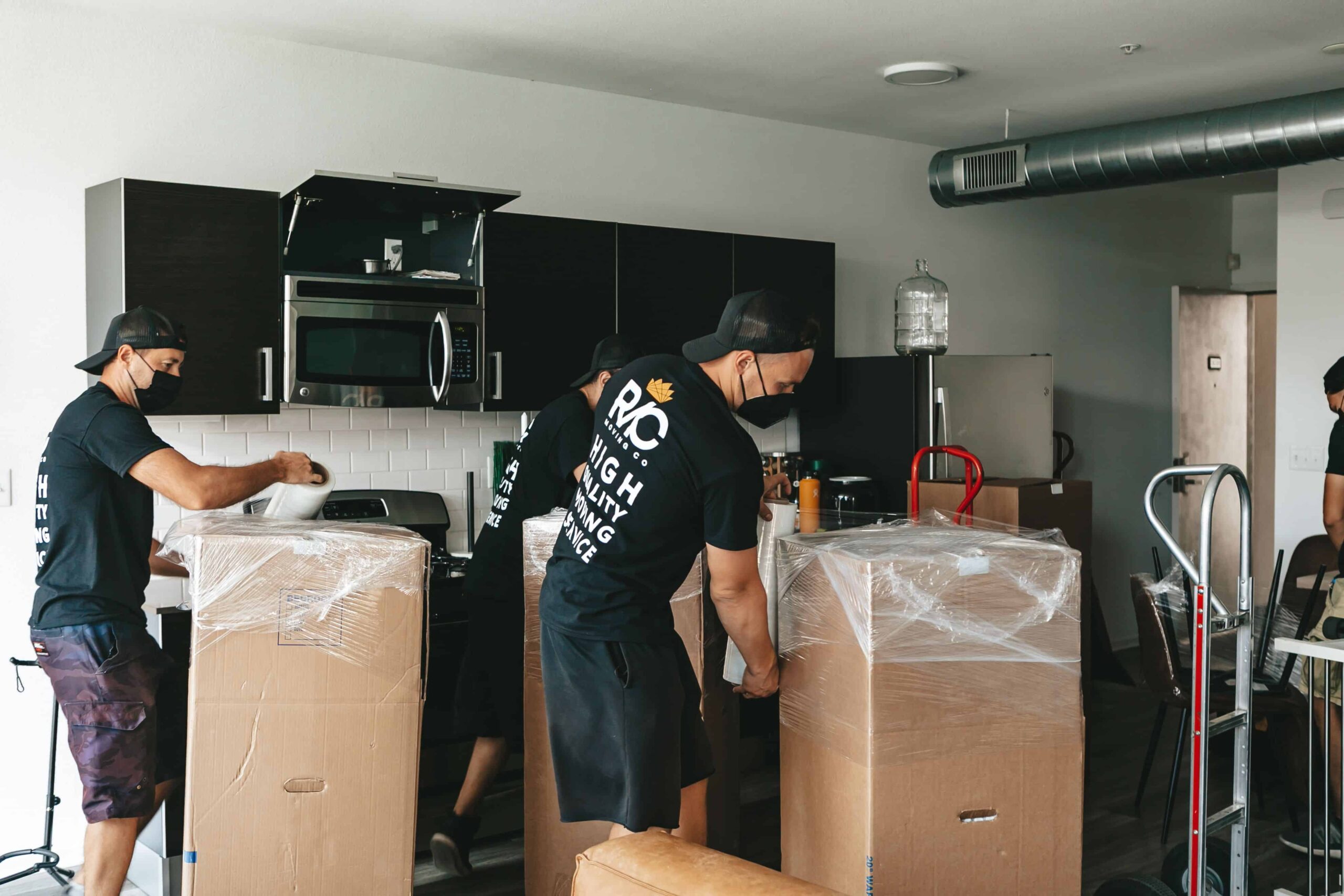
Moving is more than transporting belongings from one address to another. It involves coordinating schedules, protecting possessions, organizing spaces, and making decisions that affect how smoothly life or business operations resume afterward. For residents and businesses looking for a moving company boise, 208 Moving is a veteran-owned Boise moving company serving Boise, Meridian, Nampa, Caldwell, Eagle, and the greater Treasure Valley. Its expertise spans residential moves, commercial relocations, and long-distance moving, with upfront pricing and trained professionals helping make the process efficient, reliable, and as stress-free as possible.
A successful relocation starts with understanding what your move requires and choosing services that match those needs. Whether you are leaving an apartment, moving a household, transitioning an office, or preparing for a long-distance relocation, the details deserve attention well before moving day.
What Professional Moving Services Can Include
The phrase “moving services” can describe several different levels of assistance. One customer may need transportation and help with heavy furniture, while another may want packing support and a more comprehensive relocation plan. Before requesting an estimate, decide which responsibilities you want to manage yourself and which you want to discuss with a moving company.
208 Moving lists residential moving, apartment moving, commercial moving, packing, and interstate moving among its services. These categories provide a starting point for discussing the scope of a particular relocation rather than assuming every service is included automatically.
When reviewing a moving proposal, ask for a clear description of the work involved. Loading and transportation are only part of the picture. Packing materials, furniture preparation, access requirements, unloading arrangements, and the placement of belongings at the destination should all be addressed when relevant.
Start With a Clear Moving Plan
Preparation gives the entire relocation a practical structure. Before comparing estimates, outline the move in enough detail that each company can evaluate the same requirements. A vague description of your belongings or property access makes it harder to understand what a proposal actually covers.
Your initial moving plan should identify:
- The pickup and delivery addresses.
- Your preferred moving date and any flexibility around it.
- The approximate size of the home or workspace.
- A room-by-room inventory of major belongings.
- Any items requiring a separate handling discussion.
- Stairs, elevators, long walkways, or parking limitations.
- The packing tasks you want to handle yourself.
- Any services you want included in the estimate.
Use this document as a working plan rather than a one-time checklist. Update it when you sell furniture, add belongings, change dates, or learn something new about access at either property. Share meaningful changes with the moving company before the scheduled move.
Residential Moving: Organizing the Transition Between Homes
A household move involves more than the largest pieces of furniture. Kitchen supplies, clothing, electronics, personal records, decorations, and everyday necessities all need a place in the plan. The goal is not simply to empty the old home, but to make the new one usable without unnecessary confusion.
Begin by deciding what will make the move with you. Separate belongings you want to keep from items you intend to donate, sell, recycle, or discard. Then build the inventory around what actually needs transportation.
As you organize each room, consider how it will function at the destination. If the new home has a different layout, create labels that reflect the new rooms rather than the old ones. A box marked “upstairs office” is more useful when that is where its contents belong, even if they came from a downstairs bedroom.
208 Moving offers residential and packing services within its Boise and Treasure Valley service area. Customers can discuss their household requirements during the estimate process and clarify which tasks they want the moving crew to perform.
Prepare an Essentials Kit
Set aside the belongings you will need before the rest of the shipment is unpacked. Keep these items clearly separated from boxes intended for the truck.
- Personal identification and important documents.
- Necessary medications and personal care items.
- Phone chargers and essential electronics.
- A change of clothing and basic bedding.
- Keys, access codes, and property contact information.
- Supplies needed by children or pets during the transition.
The contents will vary by household. The purpose is to avoid having your first evening depend on finding a particular box among everything that has just arrived.
Apartment Moves: Addressing Access Before Moving Day
An apartment move deserves its own access plan. A smaller inventory does not eliminate the need to coordinate elevators, loading areas, stairs, hallways, and building entry procedures.
Ask the property manager about moving-hour restrictions and any reservation requirements. Confirm how the crew can enter the building, where the vehicle can stop, and whether there are rules for using shared spaces. Repeat the same process at the destination.
208 Moving includes apartment moving among its advertised services. When requesting an estimate, describe the access conditions at both properties so the discussion reflects the actual move rather than apartment size alone.
[208moving](https://208moving.com/)
Commercial Relocations: Planning Around Business Priorities
A business move combines transportation with operational planning. Desks, chairs, files, equipment, and shared supplies need to reach the correct locations, but employees also need to understand when and how they will resume work.
Start by assigning an internal move coordinator. This person can consolidate questions, maintain the inventory, communicate with the moving company, and confirm arrangements with building management. A clear point of contact helps prevent contradictory instructions.
Next, divide the office into functional areas. Label furniture and boxes by department, workstation, or destination room. If you have a floor plan for the new space, use consistent names or numbers across labels and planning documents.
208 Moving offers commercial relocation services for businesses in its service area. Companies considering that support should discuss their schedule, workspace requirements, and the exact responsibilities they want included in the moving agreement.
Separate Moving Tasks From Technical Responsibilities
Do not assume that transporting equipment includes disconnecting, configuring, or reconnecting it. Identify who is responsible for computers, networking equipment, printers, phones, and other systems before moving day.
The same principle applies to confidential records and restricted-access materials. Establish who will oversee those items and how they will be handled. Where specialized work is needed, confirm the arrangement explicitly rather than treating it as part of a general office move.
Long-Distance Moving: Clarifying the Journey and the Delivery
A long-distance relocation requires a conversation about more than the pickup date. Customers should understand the delivery arrangements, communication process, and practical steps involved in receiving their belongings at the destination.
208 Moving advertises long-distance service throughout the continental United States. Customers planning a move beyond the Treasure Valley should confirm route availability, scheduling, and the scope of service for their particular relocation.
Before agreeing to a long-distance move, ask:
- What pickup date or pickup window is being proposed?
- What delivery date or delivery window applies?
- Who will provide updates during the move?
- What should you do if access to the destination changes?
- How will changes to the inventory or schedule be addressed?
- What arrangements apply if you cannot receive the shipment as planned?
Keep the answers with your moving documents. A written record helps you distinguish confirmed arrangements from possibilities discussed during the initial inquiry.
Packing Support: Defining What You Need Help With
Packing is a separate planning decision from transportation. You may want to pack everything yourself, request help with selected rooms, or ask about broader packing assistance. Discuss the available options rather than assuming the company uses one standard approach.
208 Moving advertises packing services alongside its moving services. Customers can use the estimate process to clarify the extent of that assistance and whether materials are included in the proposed price.
If you are packing your own belongings, establish a consistent labeling system. Include the destination room and a short description of the contents. Mark boxes that require a handling discussion, and avoid labels so general that they offer little help during unloading.
For fragile, unusually shaped, valuable, or especially heavy belongings, ask about the handling plan before packing them. This gives you an opportunity to clarify any preparation requirements and determine whether the item needs a separate arrangement.
Upfront Pricing: Understanding the Estimate
A useful estimate explains both the price and the assumptions behind it. Two proposals are difficult to compare if one includes packing and another covers only loading, transportation, and unloading.
208 Moving emphasizes upfront pricing and offers free estimates. That provides customers with an opportunity to review the expected scope and cost before choosing services. The details of the individual proposal should still be checked carefully.
[208moving](https://208moving.com/)
When reviewing an estimate, ask which services and materials it includes, how the price is calculated, and what circumstances could change the amount. Describe access limitations and inventory changes accurately, and request clarification when a line item is unclear.
Useful pricing questions include:
- Does the estimate cover all the locations involved?
- Are packing labor and supplies included or priced separately?
- How are travel and access conditions reflected in the proposal?
- What happens if the inventory changes before the move?
- What payment terms and scheduling conditions apply?
- Which additional services require separate approval?
Keep the agreed scope alongside the estimate. The goal is to understand what you are purchasing, not simply to identify the lowest number on a page.
Moving Across Boise and the Treasure Valley
208 Moving serves Boise, Meridian, Nampa, Caldwell, Eagle, and the greater Treasure Valley. Its service area makes it an example for households and businesses considering moves within the region as well as customers asking about longer relocations.
For a local move, the distance between properties is only one part of planning. The actual addresses, property layouts, loading access, and readiness of the destination still need attention. Provide these details even when the move stays within the same city.
If your move involves more than one pickup or delivery location, explain that at the estimate stage. A stop at a second property or another location should be part of the agreed plan rather than introduced after the crew arrives.
What to Confirm Before Moving Day
As the scheduled date approaches, review the plan from beginning to end. Focus on unresolved responsibilities and details that may have changed since the original estimate.
- Confirm the date, arrival arrangements, and primary contact information.
- Check that the inventory reflects what you intend to move.
- Finish the packing tasks assigned to you.
- Confirm building access, parking, and elevator arrangements.
- Separate belongings that should not be loaded.
- Prepare clear destination labels and any room-placement instructions.
- Review the estimate, agreed services, and payment arrangements.
- Notify the company about relevant changes before the move begins.
Arrange for someone familiar with the plan to be available at each property. That person should be able to answer questions, clarify room labels, and identify anything that falls outside the agreed instructions.
Unloading and Settling Into the New Space
The destination deserves as much preparation as the pickup location. Decide where major furniture should go and communicate that plan before unloading begins. If several people are helping, make sure their instructions are consistent.
For a household, prioritize the rooms needed for the first night and the following morning. For a business, follow the setup order established in the relocation plan. Keep essential supplies separate so they remain accessible while other belongings are being organized.
Before the crew leaves, walk through the space and review any questions about the completed service. If you notice a concern, document it and ask about the appropriate follow-up process.
Choosing Moving Services That Fit Your Relocation
The right moving arrangement reflects your actual circumstances: the belongings involved, the properties at each end, the distance, the schedule, and the tasks you want professional help completing. Clear communication turns those details into a service plan you can review and understand.
208 Moving provides an example of a veteran-owned Boise company offering residential, apartment, commercial, packing, and long-distance moving services. For customers across Boise and the Treasure Valley, its emphasis on trained professionals and upfront pricing offers a starting point for discussing a more organized relocation. The next step is to translate your individual requirements into a clearly defined scope, estimate, and moving-day plan.