

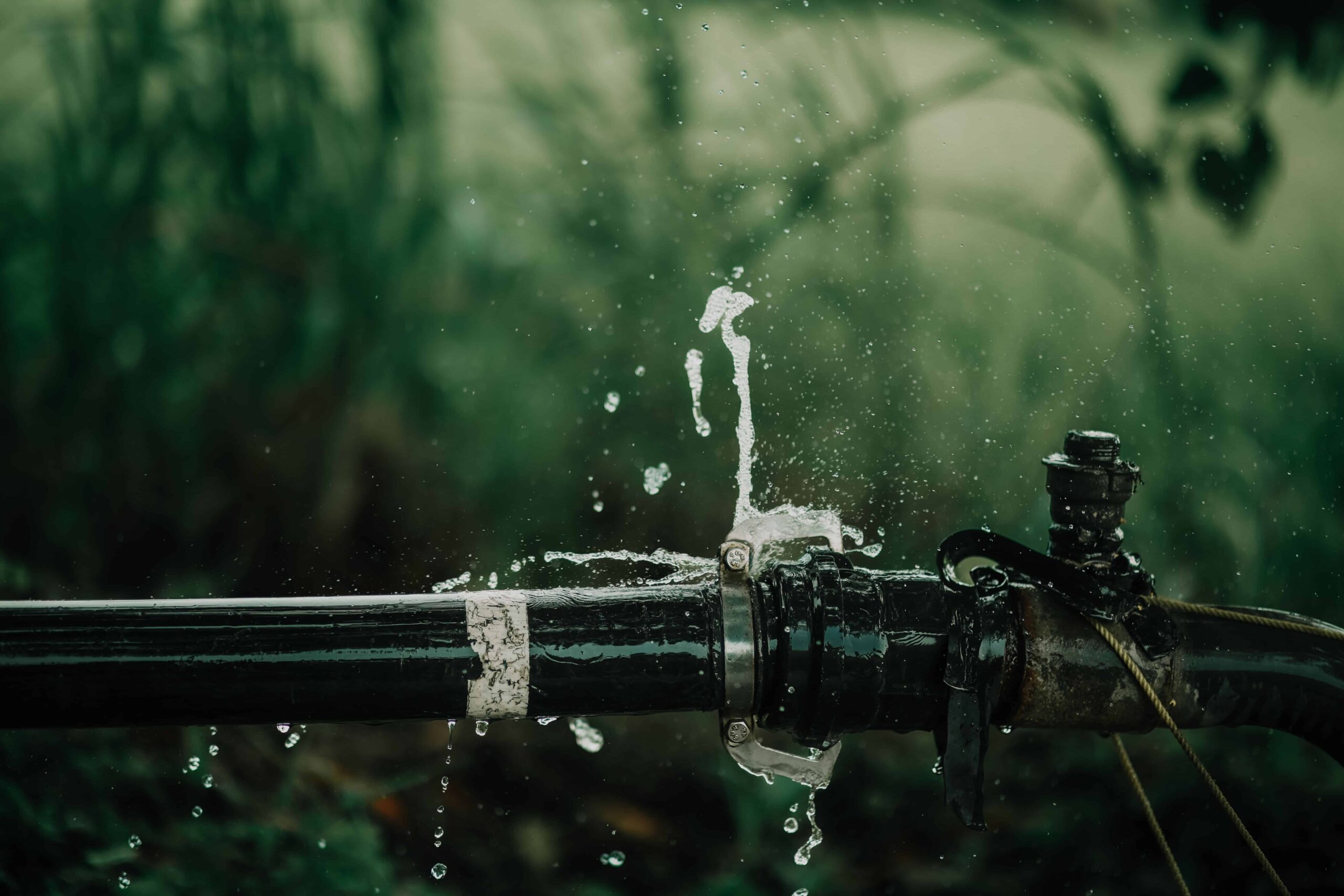
Living in an older home in Tarzana, California, comes with a wonderful sense of charm and history. Many of the properties in this scenic San Fernando Valley neighborhood were built decades ago. They often feature classic mid-century ranch architecture, mature landscape designs, and unique architectural details that modern suburban buildings lack. But older homes also hide a big problem: worn-out pipes
As homes age, the pipes, plumbing fixtures, and sewer lines beneath them begin to wear down. If you live in this area, understanding specific local plumbing issues can save you from disruptive, costly water damage. From unique regional weather patterns to shifting valley soil, several environmental and structural factors affect your home’s plumbing system.
Local Environmental Factors Affecting Tarzana Plumbing
The Southern California Climate Challenge
Tarzana experiences hot, dry summers and mild, occasionally wet winters. The local climate puts unique stress on residential properties year-round.
- Extreme Summer Heat: High temperatures during peak months cause stress on outdoor hose bibs, exposed pipes, and irrigation connections.
- Extended Dry Spells: Prolonged lack of rain dries out the earth around foundations, causing the ground to shift and put heavy pressure on underground sewer lines.
- High Water Demand: Summer months require heavy residential water usage, pushing older water heaters, supply lines, and municipal pressure limits to the test.
Soil Composition in the San Fernando Valley
The soil makeup in this part of Los Angeles significantly impacts plumbing health. Much of the local area features heavy clay and sedimentary soils.
- Expansive Clay Soil: This type of soil expands significantly when wet and shrinks drastically when it dries out.
- Constant Ground Movement: The seasonal expansion and contraction cause the ground to shift, which can crack rigid, aging underground clay or cast-iron pipes.
- Corrosion Risks: Specific mineral compositions in local soil can accelerate the exterior corrosion of metal pipes over time.
Top Plumbing Issues Found in Older Tarzana Properties
1. Aging and Deteriorating Metal Pipes
Many older homes in neighborhoods near Ventura Boulevard or further south into the foothills of the Santa Monica Mountains use their original galvanized steel and old cast iron pipes.
- Metal Corrosion Inside: The galvanized pipes become corroded over the years and decades of use from the inside, resulting in discoloration of water and unpleasant-tasting water, as well as low water pressure.
- Deteriorated Weak Metal Connections: The aging metal connections of pipes become weaker and eventually erode over time, leaking water very slowly inside walls and under the flooring.
- Failure of Materials: Once the legacy pipes fail after being used for their whole lifespan, homeowners usually need repipe services in Tarzana to replace failing pipes with new PEX or copper.
2. Aggressive Tree Root Intrusion
Tarzana is famous for its beautiful, mature greenery, including sprawling oak trees, sycamores, and large ficus trees that line residential streets and backyards.
- Seeking Moisture: Tree roots naturally grow outward and downward in search of water, targeting underground sewer lateral lines.
- Capitalizing on Tiny Cracks: Minute cracks or loose joints in older clay or cast-iron sewer pipes let moisture escape into the earth, immediately inviting aggressive roots inside.
- Severe Clogs and Backups: Once inside the pipe, roots expand rapidly, catching toilet paper and debris, and causing slow drains, nasty gurgling sounds, and severe sewage backups.
3. Outdated and Failing Water Heaters
Older homes have aging water heaters that fail to meet modern demands and requirements.
- Sediment Build-Up: Water heaters contain mineral sediments that accumulate at the bottom of the appliance over time, reducing overall heating efficiency.
- Rusting and Leaking: Appliances over 10 years old are highly susceptible to leaking, rusting, and tank malfunction.
- Energy Inefficiency: Aging appliances require more power than their counterparts, such as tankless and hybrid water heaters.
Proactive Steps to Protect Your Home Plumbing
An old house requires regular plumbing maintenance. Avoid turning small plumbing inconveniences into big plumbing issues with a handful of preventive steps.
- Organize Professional Camera Inspections: Arrange for a plumber licensed to perform services in your area to have a camera installed in your main sewer line every couple of years to identify any signs of roots or sagging pipes.
- Be Alert to Warning Signals: Note any problems like slow-draining sinks, gurgling toilets, changes in water pressure, or dampness in drywall and flooring.
- Locate Your Main Water Shutoff: Find out where the main water shut-off valve is in your home.
When to Call a Professional Plumber
While simple DIY solutions work well for minor hair clogs in a bathroom sink, older homes with systemic issues require expert care. Licensed plumbers possess specialized diagnostic tools, such as electronic leak detectors, thermal imaging cameras, and heavy-duty hydro-jetters, to safely resolve hidden problems.
If your home frequently suffers from mysterious leaks, discolored water, or recurring drainage failures, consulting a trusted local plumbing professional is essential. Expert intervention protects your property value and ensures long-term safety and peace of mind.
Conclusion
Owning an older home in Tarzana is a rewarding experience, but it demands respect for the property’s aging infrastructure. By understanding how local climate conditions, shifting valley soils, and mature landscaping interact with your plumbing system, you can stay one step ahead of potential disasters.
Routine inspections, prompt repairs, and timely upgrades—such as replacing corroded lines with modern piping—will keep your household running smoothly for decades to come. Staying proactive ensures that your historic Tarzana home remains a safe, comfortable, and dry sanctuary.