

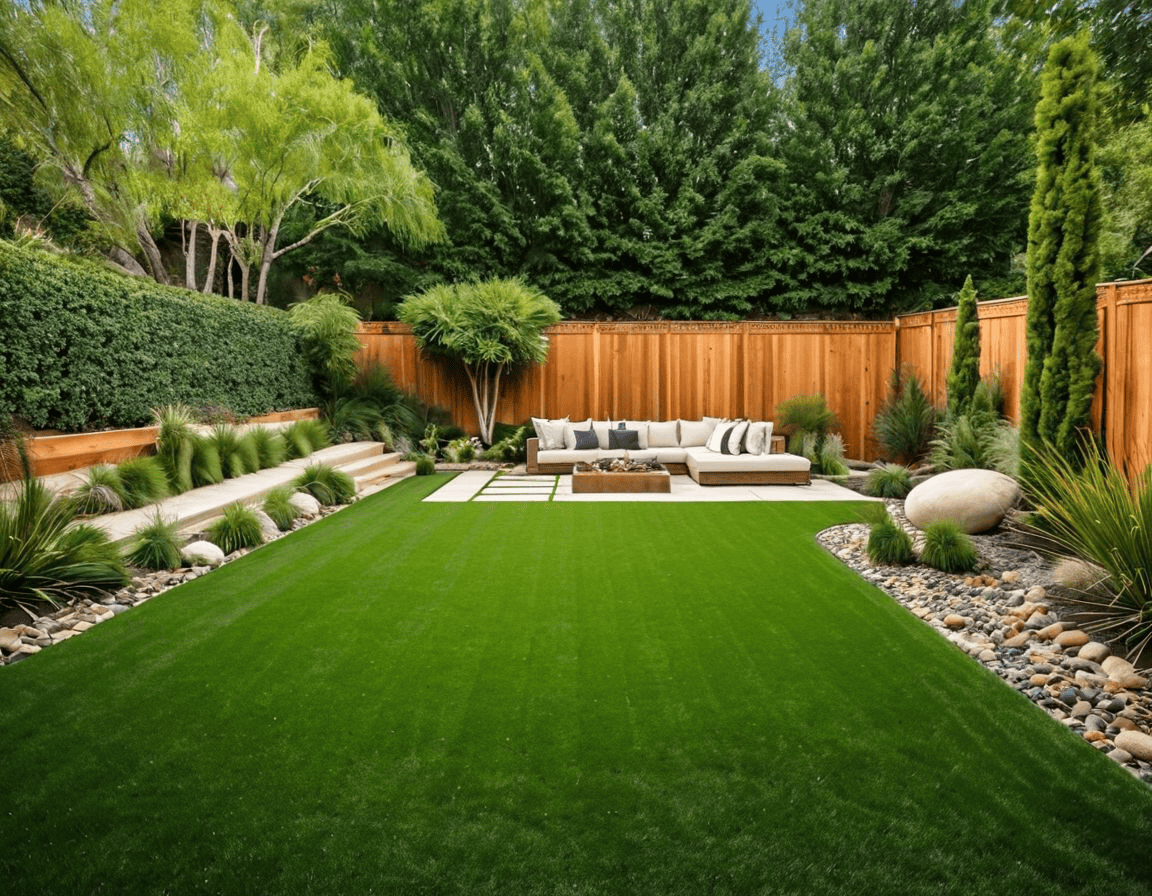
A freshly landscaped backyard in late spring can feel like a personal resort. New sod, clean edging, carefully placed pavers, and flowering plants all suggest months of outdoor enjoyment ahead. Yet by mid summer, many homeowners discover something frustrating: the space they invested in is suddenly less comfortable, less functional, and in some cases barely usable during peak daylight hours.
The issue is rarely a lack of spending or effort. More often, it comes down to overlooked environmental dynamics: how sunlight shifts, how water moves through soil, how heat builds up in hardscapes, and how plants and insects respond to seasonal change. Understanding these patterns can help homeowners identify design flaws before adding more landscaping that may not solve the underlying problem.
Shade patterns that quietly reshape usability
One of the most underestimated factors in backyard comfort is how shade changes over the course of the summer. In early spring, when landscaping decisions are often made, trees may not yet have full foliage. This leads homeowners to assume certain areas will remain partially shaded throughout the season.
By mid summer, however, full leaf-out can dramatically alter sunlight patterns. Areas that once felt open and bright may become overly shaded, trapping humidity and reducing airflow. Conversely, spaces that seemed comfortably dappled in spring may become exposed as the sun reaches a higher angle and travels a longer arc across the sky.
Patios placed without considering peak-summer sun exposure can become unusable during afternoon hours, while seating areas may shift from inviting to uncomfortable simply due to heat concentration and glare. Even carefully chosen shade trees can contribute to imbalance if they block airflow or cast dense, stagnant shadows in the wrong locations.
Drainage problems that emerge after early-season assumptions
Drainage is another issue that often goes unnoticed until summer storms arrive in full force. Many landscaping projects are completed in relatively dry conditions, when soil appears to absorb water easily and grading issues are not yet apparent.
As summer progresses, repeated watering cycles and heavier rainfall expose subtle grading mistakes. Low spots that were invisible in spring can become muddy basins. Poorly compacted soil may settle unevenly, redirecting runoff toward patios, foundations, or walkways.
Even expensive installations such as paver patios or retaining walls can fail to address subsurface drainage. Without proper slope design or water redirection systems, homeowners may find themselves avoiding entire sections of their yard after storms due to standing water or soggy ground conditions.
Over time, these drainage issues also affect plant health. Roots can suffocate in oversaturated soil, while dry pockets form elsewhere, creating inconsistent and unpredictable landscaping performance.
Heat retention and the “oven effect” of hardscaping
Modern backyard design often relies heavily on hardscape elements such as stone patios, concrete walkways, and decorative gravel beds. While visually appealing and low-maintenance, these materials can significantly increase local heat retention.
By mid summer, these surfaces absorb heat throughout the day and release it slowly into the evening, creating what many homeowners describe as an “oven effect.” Even after the sun sets, the backyard may remain uncomfortably warm, discouraging use during hours that would otherwise be ideal for relaxation.
This effect is amplified in yards with limited vegetation or insufficient shading structures. Without grass, ground cover, or strategically placed trees to moderate temperature, hardscaping becomes a heat amplifier rather than a design feature.
The result is a space that looks pristine but feels physically unwelcoming during the hottest months of the year.
Insect activity and ecological imbalance
Another factor that often surprises homeowners is how insect populations evolve as summer progresses. Early-season landscaping may appear balanced, but as temperatures rise and moisture patterns shift, certain conditions can encourage increased insect activity.
Standing water from poor drainage attracts mosquitoes. Overwatered garden beds can become breeding grounds for gnats. Dense shrubs placed too close together may restrict airflow, creating humid microclimates ideal for pests.
Even mulch choices can play a role. Organic mulches retain moisture and break down over time, sometimes attracting ants or other insects when not properly maintained.
What makes this especially frustrating is that insect issues often compound other usability problems. A shaded, humid corner of the yard may already feel uncomfortable due to lack of airflow, and insect activity can make it effectively unusable.
Plant growth that exceeds design expectations
Plants rarely remain static after installation. In fact, one of the most common landscaping miscalculations is underestimating how quickly growth patterns change within a single season.
Shrubs that appear modest in May can double in size by August. Climbing plants may overwhelm trellises. Ornamental grasses can spread into walkways. Even carefully spaced plantings may begin to compete for sunlight and nutrients, leading to uneven growth and visual clutter.
This rapid transformation can reduce usable space in backyards. Paths narrow, seating areas feel enclosed, and sightlines disappear. What was intended as an open, breathable design becomes dense and difficult to navigate.
Without ongoing pruning and maintenance planning, these growth patterns can gradually reshape the entire function of the yard.
Long-term design oversights and seasonal usability
Many backyard problems stem not from individual elements, but from how those elements interact over time. A patio placed without regard to sun exposure, combined with poor drainage and aggressive plant growth, can compound into a space that is technically beautiful but practically underused.
This is where long-term planning becomes essential. Homeowners who think beyond immediate aesthetics and consider access paths, rooflines, lighting routes, and structural flow often find their outdoor spaces remain functional throughout the year, not just in early summer.
For example, planning clear access points and structured landscape layouts can have unexpected benefits later in the year. Homeowners who later pursue seasonal decorating projects, such as holiday lighting, often find the process significantly easier when these structural considerations have already been addressed. In fact, services like custom holiday light installation in Roswell become far more efficient when rooflines, tree placement, and pathway access are designed with future visibility and mounting points in mind. Thoughtful early design reduces the need for temporary fixes and makes seasonal transitions smoother and safer.
How to identify hidden design problems early
The key to avoiding a “mid-summer backyard collapse” in usability is early observation and testing. Homeowners can look for warning signs such as:
- Areas that lose airflow by late afternoon
- Puddles that persist more than a few hours after rain
- Surfaces that remain hot well into the evening
- Plant zones that become noticeably denser within weeks
- Sudden increases in insect activity in specific corners
Walking the yard at different times of day morning, midday, and evening can reveal patterns that are not obvious during a single visit or design phase.
Conclusion: Designing for how summer actually behaves
A backyard is not a static environment. It evolves with sunlight, weather, plant growth, and seasonal temperature shifts. When landscaping is designed based only on early-season conditions, it can quickly become mismatched with how the space actually behaves in peak summer.
The most successful outdoor spaces are those designed with change in mind anticipating shade shifts, accounting for drainage realities, minimizing heat traps, and planning for growth rather than resisting it. By recognizing these hidden dynamics, homeowners can avoid costly redesigns and instead create outdoor spaces that remain comfortable, functional, and enjoyable all summer long.