

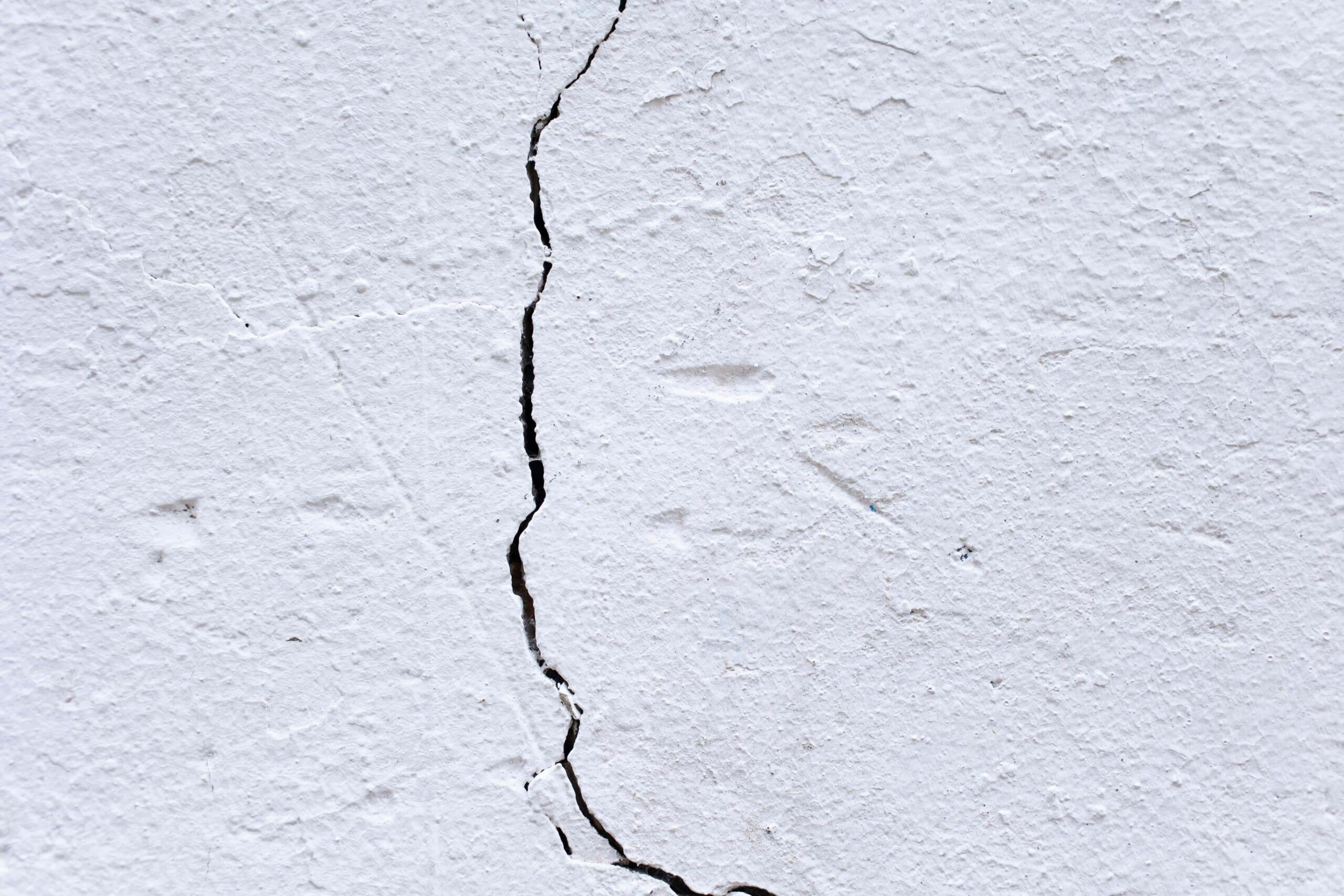
Problems with basements are rarely noticed right away. Even when small cracks start to appear, most people don’t see them until one day they suddenly get a water leak or notice that the wall has bowed inward. It’s fair to say that a lot of cracks can be fixed pretty easily, but there are also some that may point to quite serious structural problems.
Understanding what causes basement walls to crack is important because these issues don’t just come out of nowhere. In most cases, cracks develop slowly due to pressure, moisture, soil movement, and aging materials. The good news is if you notice warning signs early, you have a better chance of fixing the problem yourself rather than calling a professional.
Let’s look at the most common signs that signal a problem with your basement walls.
The Natural Pressure From Soil
One of the biggest causes of basement wall cracks is hydrostatic pressure. That might sound complicated, but the idea is simple. Soil around a home tends to absorb water after rain or snow melts. As the soil becomes saturated, it expands and pushes against the basement walls.
Concrete walls are strong, but even concrete wears out over time, which leads to stress fractures. Clay-heavy soil can make this even worse because it swells dramatically when wet and shrinks during dry periods. That constant movement creates a push-and-pull effect on the foundation year after year.
Horizontal cracks are especially concerning because they often signal strong outside pressure pressing against the wall.
Foundation Settling Over Time
Almost every home settles a little after construction. The ground underneath shifts naturally, especially during the first few years. Minor settling usually causes harmless hairline cracks, but when settling becomes uneven, the real problems begin.
If one side of the home sinks faster than the other, stress spreads through the foundation walls. This uneven movement can lead to stair-step cracks in masonry or diagonal cracks in poured concrete walls.
Several things can speed up settling:
- Poorly compacted soil;
- Excess moisture under the foundation;
- Drought conditions;
- Tree roots pulling moisture from the ground;
- Nearby construction vibrations.
In many of these cases, you need a foundation specialist to carefully inspect your foundation and determine whether movement is still active or has stabilized. Discussion around issues like these often appear in resources connected to “Dura Pier Foundation Repair” because settling is one of the most common concerns homeowners face.
Water Is Often the Main Troublemaker
Water is perhaps the biggest enemy of the foundation. Even tiny leaks can create major problems over time. When gutters overflow or downspouts dump water too close to the house, moisture builds up around the basement walls. Over the years, soaking weakens concrete and increases pressure against the structure.
Freeze-thaw cycles can make matters worse in colder climates. Water seeps into tiny openings in the wall, freezes, expands, and slowly widens the cracks.
Poor drainage may come from:
- Clogged gutters;
- Short downspouts;
- Improper yard grading;
- Broken drainage pipes;
- Heavy rainfall patterns.
Unfortunately, many homeowners choose not to notice these issues because they seem harmless at first. However, water is often the main troublemaker that can quietly turn minor issues into major headaches.
Shrinkage Cracks in Concrete
Not every crack signals disaster. Some appear simply because concrete changes as it cures. Fresh concrete contains a large amount of water, and when it dries, it usually shrinks slightly. This is a natural process that can leave behind thin vertical cracks in basement walls.
You can tell it’s a shrinkage crack at a glance. It’s usually quite narrow and fairly even, and most of the time, it appears within the first couple of years after construction, rarely growing larger than when you spot it for the first time.
Sure, you should still watch a shrinkage crack to make sure it stays that way, because even harmless cracks can allow water seepage if left untreated.
Homeowners sometimes assume all cracks are structural, but shrinkage cracks are fairly common in newer homes. The key is watching for changes in width, length, or direction.
Expanding and Contracting Soil
Soil is constantly moving, even if it looks stable. During wet seasons, soil expands as it absorbs moisture, and when it’s dry, it contracts. This cycle puts enormous stress on basement walls over many years.
Some regions, especially in the southeast and Gulf Coast Plain areas, experience more dramatic soil movement than others because they are full of expansive clay soil. Homes built on this soil may face ongoing foundation movement for decades.
The trouble is that soil movement rarely happens evenly. One part of the home may shift while another stays put. That’s what creates stress points that eventually crack.
Tree Roots Can Create Problems
Most people love their gardens, but what looks like a beautiful tree near a home may quietly contribute to foundation trouble.
Tree roots naturally seek moisture underground. When it’s dry, they can pull water from the soil beneath the foundation, causing the ground to shrink and shift. Some roots may also physically press against underground structures as they grow larger. And though roots alone rarely crack a concrete wall directly, they disturb the surrounding soil enough to create movement.
Fast-growing trees planted too close to a house are often the biggest offenders.
Common troublemakers include:
- Silver maples,
- Willows,
- Poplars,
- Large oaks.
The risk depends on tree size, root spread, soil type, and how close the tree is planted to the foundation.
Poor Construction Practices
Sometimes the problem begins long before the first crack appears. If builders use low-quality materials, don’t do anything to reinforce the construction, and don’t prepare the soil before a single brick is laid, basement walls may weaken much faster than they would normally do.
Construction-related issues can include:
- Improper concrete mixing;
- Inadequate steel reinforcement;
- Weak soil compaction;
- Poor waterproofing;
- Rushed curing times.
Even small shortcuts during construction can come back to bite years later. A foundation depends heavily on proper planning and careful workmanship from the start.
In older homes, outdated building methods may also play a role. Construction standards today are often much stricter than they were years ago.
Temperature Changes Slowly Wear Materials Down
It’s also important to note that building materials are affected by temperature changes, which happen every year. Even concrete, which may seem rigid, reacts to these changes. It expands and contracts through seasonal cycles, slowly causing weak points in the structure.
As a rule, homeowners don’t notice the effects of temperature damage until cracks become visible. This is one of the reasons why older homes tend to show more foundation wear, even if they were originally built well.
When Cracks Become Serious
As mentioned earlier, not all basement wall cracks signal structural damage, but some warning signs shouldn’t be ignored.
Here are some common signs that often point to a problem:
- Horizontal cracks;
- Bowing walls;
- Cracks wider than 1/4 inch;
- Water leaking through walls;
- Rapidly growing cracks;
- Doors and windows sticking upstairs;
- Uneven floors.
If left untreated, these types of cracks grow large, starting an irreversible process of structural damage.
Prevention Goes a Long Way
While some settling is unavoidable, there are ways to reduce the risk of serious basement wall cracking. First things first, it’s gutters. Every homeowner should regularly clean gutters to prevent the accumulation of water. Downspouts should be extended away from the home so all water that remains after rain or snow doesn’t sit next to the foundation.
Yard drainage also requires attention. Avoid overwatering the soil, as this will cause it to shift. If tiny cracks start to appear, make sure not to ignore them. Early prevention is the best cure.
Final Thoughts
Basement wall cracks can be a big headache, but they never happen overnight. Most often, they develop slowly over the years. Constant pressure, excess moisture next to the foundation, clogged drainage and gutters, soil movement, and natural aging, all these causes quietly build up. The biggest issue is that these problems are rarely noticed until they become visible.
On the bright side, many cracks can be prevented and even fixed when noticed quickly. When you know what signs to watch for, you can easily determine if a crack is harmless or serious and give it the attention it needs.