

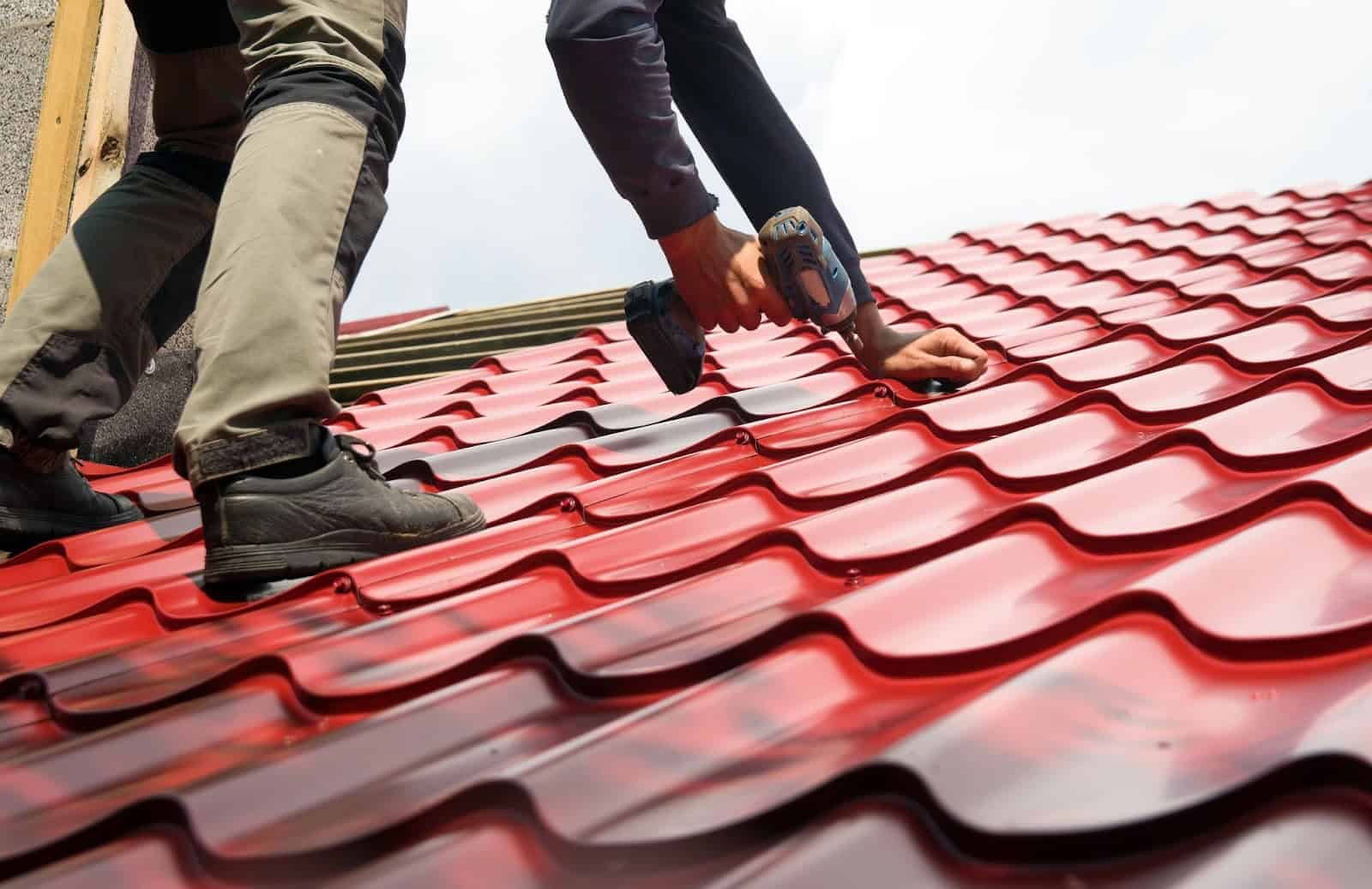
What Sets a Specialized Metal Roofing Contractor Apart From a General Roofer
Hiring a roofer sounds simple enough. Find someone with a truck, a crew, and a licence. Get a quote. Schedule the work. But when it comes to metal roofing, that approach can lead to problems that do not show up until the first heavy rain or the first winter freeze. Metal roofing demands a fundamentally different set of skills, tools, and knowledge than asphalt shingle work. Choosing a contractor who specializes in metal is one of the most important decisions a homeowner can make during a roofing project.
The difference between a good metal roof and a failing one almost always comes down to the installer, not the material.
Metal Roofing Is a Different Trade
General roofing contractors spend most of their time working with asphalt shingles. The installation process is relatively straightforward: nail them in overlapping rows from the bottom up. The tools are basic, and most experienced shingle crews can roof a standard home in a day or two.
Metal roofing operates on entirely different principles. Panels expand and contract with temperature changes. Fasteners must allow for thermal movement without loosening. Seams need to be locked or mechanically crimped to create a watertight barrier. Flashing must be custom-fabricated on site using specialized brake equipment.
A general roofer who installs metal as a side offering may understand the basics but lack the precision these details demand. A dedicated metal roofing contractor works with these materials daily and has refined the techniques that determine whether a roof performs flawlessly for 50 years or develops leaks within three.
The Skills That Matter Most
Several technical competencies separate metal roofing specialists from general contractors. Understanding these skills helps homeowners ask the right questions during the hiring process.
Thermal expansion management. Every metal panel moves as temperatures shift. In climates with extreme seasonal swings, panels can expand and contract significantly between summer heat and winter cold. A specialist knows how to install clips and fasteners that accommodate this movement without buckling the panel or compromising the seal. According to the National Research Council of Canada, thermal performance and material behaviour in building envelopes are critical factors in long-term roofing durability across Canadian climates.
On-site fabrication. Unlike shingles that come in standard sizes, metal roofing components are frequently cut, bent, and shaped at the job site. Ridge caps, drip edges, valley flashing, and transition trim all need to be fabricated to match the exact dimensions and angles of the roof. This requires portable metal brakes, seamers, and shears, along with the training to use them accurately. General contractors rarely carry this equipment or possess the sheet metal skills to produce tight, weatherproof details.
Concealed fastener systems. Standing seam metal roofing, which is the premium residential option, uses no exposed screws on the panel surface. Instead, panels interlock at raised seams and are secured to the deck using hidden clips. Installing these systems correctly requires training from the panel manufacturer and an understanding of clip spacing, seam engagement, and panel alignment that comes only from repeated experience.
Ventilation and underlayment strategy. Metal roofs interact with moisture differently than shingles. Without proper ventilation and underlayment, condensation can form on the underside of the panels and damage the roof deck over time. A specialist designs the ventilation system and selects the underlayment based on the specific building, its climate zone, and the metal profile being installed.
Why the Contractor You Choose Affects Your Warranty
Most homeowners assume that buying premium metal panels automatically guarantees a strong warranty. It does not. Nearly every major metal roofing manufacturer ties its warranty coverage to proper installation by a qualified contractor. If the panels are installed incorrectly, the manufacturer can deny a warranty claim regardless of whether the panels themselves were defective.
This means the contractor’s qualifications are directly linked to the value of your warranty. Some manufacturers maintain lists of authorized or certified installers. Others require the contractor to demonstrate training and experience with the specific product being installed. Choosing a metal roofing specialist who maintains these relationships with manufacturers protects your investment in a way that hiring a general roofer simply cannot.
Workmanship warranties, which cover the labour and installation rather than the material, are equally important. A specialist who stands behind their work with a multi-year or multi-decade workmanship guarantee demonstrates confidence in their installation quality. Always ask for both material and workmanship warranty details in writing before signing a contract.
What to Look For When Hiring a Metal Roofing Specialist
Finding the right contractor requires more than reading online reviews, though reviews are certainly a useful starting point. Here are the specific qualifications and practices that distinguish a true metal roofing specialist.
Dedicated metal roofing focus. The contractor should be able to demonstrate that metal roofing is a core part of their business, not an occasional add-on. Ask what percentage of their projects involve metal. If the answer is less than half, they may lack the depth of experience you need.
Portfolio of completed work. A specialist should be able to show you photos or direct you to completed projects in your area. Pay attention to the details in these images: clean seam lines, tight flashing, properly installed snow guards, and consistent panel alignment all indicate quality workmanship.
Manufacturer relationships. Ask whether the contractor is authorized, certified, or trained by the panel manufacturers they install. These credentials are not cosmetic. They affect warranty coverage and ensure the contractor has been trained on the specific installation requirements of the product.
Proper licensing and insurance. This applies to any contractor, but it is especially important for roofing work. Verify that the contractor holds the appropriate trade licence for your province or state, carries general liability insurance, and provides workers’ compensation coverage for their crew.
Edmonton homeowners looking for this level of specialization can work with teams like Onsite Metals, a contractor focused exclusively on metal roofing systems designed to perform through Alberta’s demanding winter conditions. That kind of focused expertise is exactly what separates a roof that lasts a lifetime from one that requires callbacks within a few seasons.
The Cost of Getting It Wrong
Hiring the wrong contractor for a metal roof is expensive in ways that extend beyond the repair bill. A poorly installed roof can leak at flashing points, oil-can across improperly fastened panels, and void the manufacturer’s warranty. Correcting these issues often requires partial or complete reinstallation.
Worse, a leaking roof causes secondary damage: rotted decking, mould growth, damaged insulation, and stained interiors. These cascading problems turn a roofing issue into a whole-house repair project. The simplest way to avoid this is to hire a specialist from the start.
Making the Right Call
Metal roofing is a long-term investment that delivers decades of performance when installed correctly. The material can handle everything nature throws at it. The variable is the person installing it. By choosing a contractor who specializes in metal, carries the right credentials, and stands behind their work with meaningful warranties, homeowners put themselves in the strongest possible position. The right specialist does not just install a roof. They deliver peace of mind that lasts as long as the panels themselves.