

Your roof is your home’s first line of defense against the elements, and winter is especially unforgiving. When freezing temperatures, heavy snow, and ice storms hit, any weakness in your roofing system can turn into a costly repair or a major structural issue. Winter-proofing your roof isn’t just a seasonal chore it’s a smart long-term investment in the health of your home. This guide breaks down the top four proactive, practical steps you can take to prepare your roof for winter, focusing on methods that save money, prevent damage, and provide peace of mind.
Proper winter preparation begins well before the first snowfall. Waiting until winter is in full swing is too late damage that happens under snow and ice is often hidden and expensive to fix. By implementing these measures early in the season, you reduce the risk of leaks, water damage, and costly emergency roofing services later on.
Whether you’re a seasoned homeowner or this is your first winter in your home, the guidance here gives you a tactical yet simple roadmap. Read on to learn how to inspect, protect, and reinforce your roof before the cold weather does its worst.
Assess and Reinforce Roof Integrity
Before temperatures drop, take a comprehensive look at the current state of your roof’s structure. This first step isn’t just about spotting obvious problems it’s about identifying subtle wear and tear that snow and ice can worsen.
Inspect Shingles, Flashing, and Roof Attachments
Walk around your home with a pair of binoculars and examine your shingles from the ground. Look for curling, cracking, missing pieces, or shingles that appear darker than those around them, which are signs of granule loss. Shingles shield your roofing system from wind and moisture; when they start to fail, water can easily find its way into your attic or walls. Don’t overlook roof attachments like vents, chimneys, or skylights the flashing around these penetrations is often a weak point where water can seep in.
From the attic, check for light coming through the roof boards. Light means there’s a gap and if daylight can penetrate, so can rain and snow melt. This should be addressed before a professional arrives so you can have a focused conversation about repairs.
Taking action now with minor repairs or reinforcements can save you from needing a full replacement later. A local Suffolk County roofing contractor can help you assess whether your shingles and flashing are in appropriate condition to withstand winter conditions.
Clean and Protect Gutters and Downspouts
Clogged gutters are one of the most common roof-related issues homeowners ignore until it’s too late. When autumn leaves, pine needles, and debris accumulate, water can’t drain properly. In winter, that standing water freezes, expands, and causes significant damage to gutters, fascia boards, and even the roof edge itself.
Remove Debris and Check Alignment
Start with removing all debris from gutters and downspouts. Use gloves, a sturdy ladder, and a bucket to collect debris. If climbing ladders isn’t safe for you, a professional service can handle this. Once clean, flush the gutters with water using a hose to confirm proper flow. If the water pools or drains slowly, you might have a hidden clog or misalignment.
In addition to cleaning and aligning, consider installing gutter guards. These screens prevent leaves and debris from entering the system while still allowing water to flow. It’s an upfront investment with long-term benefits that keeps your roof and gutters working together seamlessly throughout winter.
Insulate and Ventilate Your Attic Properly
Roof performance isn’t just about what’s happening on the outside. Your attic plays a critical role in winter roof health. Improper insulation and ventilation can create conditions that lead to ice dams a problem many homeowners only notice once significant damage has occurred.
Understand Ice Dams and Temperature Imbalance
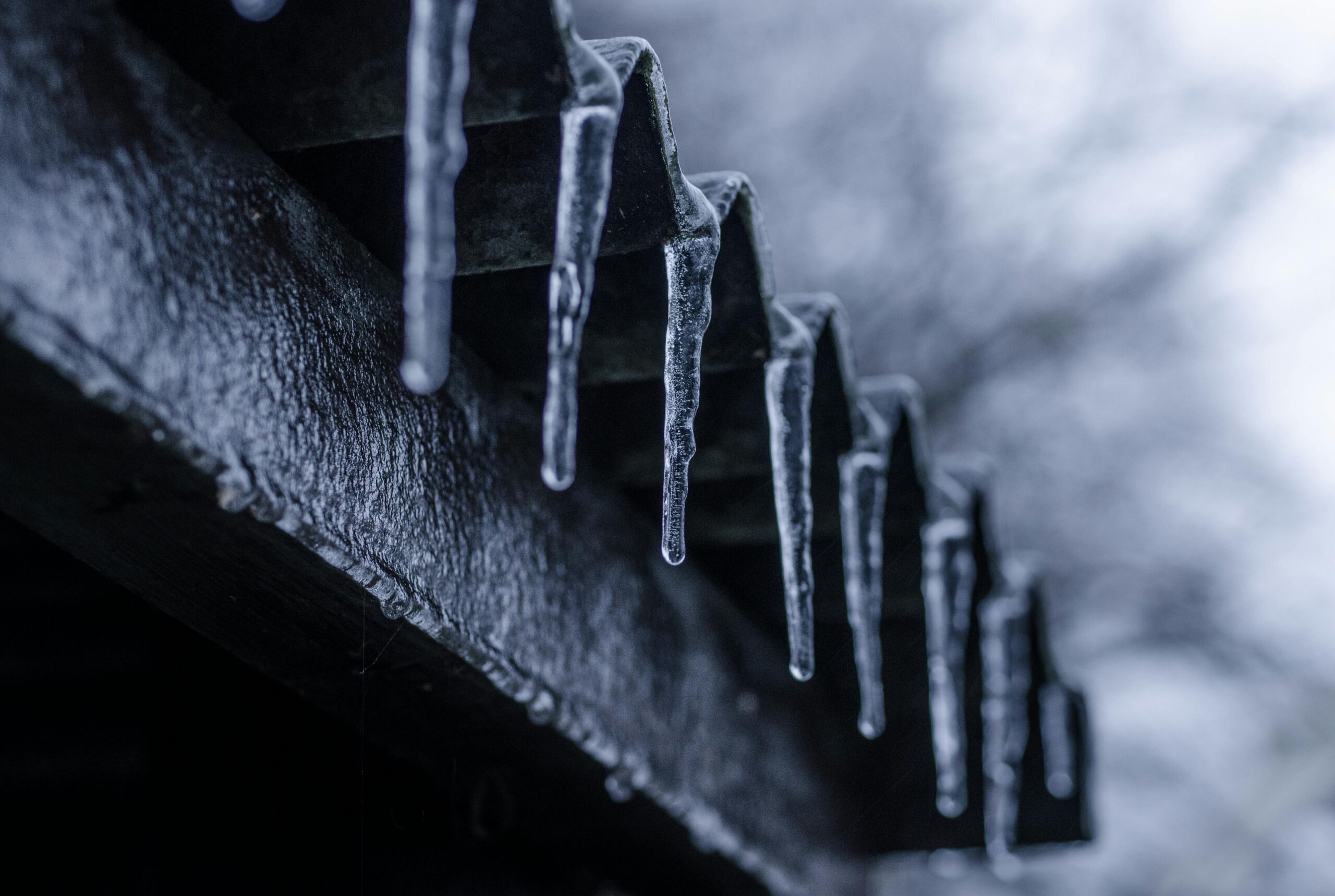
Ice dams form when heat escapes into the attic, warming the roof deck and melting snow. This water trickles down until it reaches colder edges and refreezes, forming a barrier of ice. Snow melt then backs up behind this ice dam, finding its way under shingles and into your home.
Proper insulation keeps warm air in your living spaces and prevents it from rising into the attic. Make sure your attic floor has at least the recommended R-value insulation for your region; this creates a thermal barrier that keeps attic air cold and consistent with the outdoors.
A simple way to check ventilation is to look for sunlight through attic vents. If you see light where there shouldn’t be, tiny gaps could be letting heat escape. A qualified roofing professional can measure your current insulation and suggest upgrades or ventilation improvements to ensure your roof is protected from the inside out.
Install Ice and Water Shields and Other Protective Materials
Even with good insulation, high winds, and heavy precipitation can expose your roof to severe stress. One of the best defenses is reinforcing vulnerable areas with materials that add water resistance and durability.
Focus on Vulnerable Roof Areas
Ice and water shields are self-adhesive membranes applied under shingles, particularly around roof edges, valleys, and penetrations places most likely to experience water buildup. Unlike traditional tar paper, these shields adhere directly to the roof deck and seal tightly around nails and seams, preventing water from infiltrating under heavy snow or ice.
If you’re unsure whether your attic has the right balance of insulation and airflow, getting a quick assessment from a trusted Suffolk County roofing contractor can save you from expensive winter issues. A professional can spot weak insulation, poor vent placement, or hidden moisture problems long before they turn into leaks or ice backups. This kind of mid-season checkup gives homeowners clarity and confidence, especially in older homes where thermal barriers aren’t evenly distributed.
Valleys where two roof planes meet are hotspots for water flow. Without reinforcement, shingles in these zones bear the brunt of moving water and debris. A water-resistant underlayment here serves as an additional barrier.
Keep Trees Trimmed and Exterior Elements Secured
Large overhanging branches may not seem directly related to roof integrity until winter winds and snow loads push them down. Heavy ice or wet snow on tree limbs increases weight significantly. When that weight comes down, it doesn’t just damage roofs it damages anything it lands on.
Trim Limbs and Check Roof Perimeter
Have any trees near your home professionally trimmed so branches are at least 10 feet away from your roofline. This spacing prevents rubbing against shingles and keeps branches from falling onto the roof during storms.