

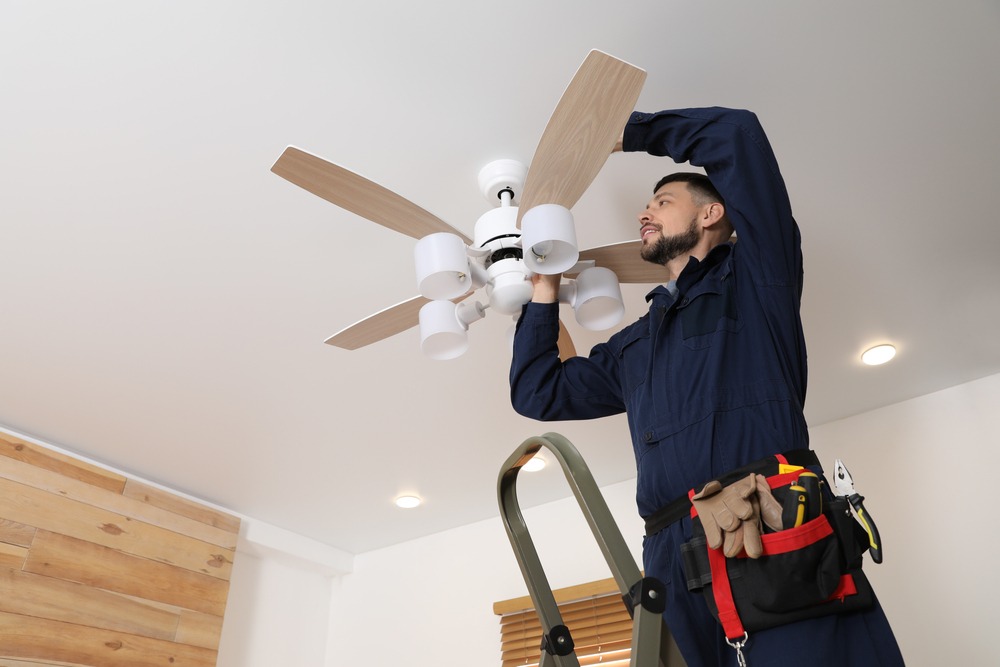
When you’re preparing for an electrical repair, installation, or upgrade, selecting the right electrical contractors is one of the most important decisions you’ll make. Electrical work directly affects the safety, efficiency, and long-term reliability of your home or business, so it’s essential to ask the right questions before any tools come out or wires are touched.
A thoughtful conversation at the beginning can help you understand the contractor’s qualifications, processes, and expectations, giving you greater confidence as the project moves forward.
1. Are You Fully Licensed and Insured?
Licensing and insurance are the foundation of professional electrical work. A licensed contractor has met the required training, assessments, and industry standards needed to perform electrical work safely and legally. Insurance protects both you and the contractor if accidents, injuries, or property damage occur on-site.
Even for smaller jobs, it’s important not to assume these qualifications are in place. Asking directly ensures you’re working with someone who meets the necessary professional requirements. This single question can prevent a range of complications down the line.
2. What Experience Do You Have With This Type of Project?
Not all electrical work is the same, and experience matters. Some electrical companies focus on residential projects like lighting upgrades or power point installations, while others specialise in large-scale commercial or industrial work handled by experienced commercial electricians.
Asking about specific experience helps you assess whether the contractor has successfully completed similar projects. This discussion can also reveal how well they understand potential challenges, material options, safety considerations, and the best practices specific to your job. The more relevant experience they have, the more smoothly the project is likely to run.
3. Can You Provide a Detailed Written Quote?
Clear communication is essential in any trade, and a detailed written quote sets expectations from the start. This document should outline the scope of work, labour costs, materials, and any conditions or potential extra charges. Having this information in writing helps you compare quotes accurately between different contractors and protects you from unexpected costs once the project is underway.
A transparent quote also reflects a contractor’s professionalism and their commitment to providing reliable service. It’s a key document for keeping the project organised and avoiding misunderstandings.
4. What Is the Expected Timeline for Completion?
Knowing how long the project will take allows you to plan around disruptions, especially if power needs to be turned off or specific areas of your home or workplace must be inaccessible. Timelines can vary widely depending on the size and complexity of the job.
Some contractors may also offer urgent services or operate as same day electricians, which can be particularly helpful when dealing with time-sensitive issues. Asking about the schedule early helps ensure the contractor’s availability aligns with your needs and gives you a realistic understanding of when the work will be completed.
5. Do You Follow Current Safety Standards and Regulations?
Electrical installations and repairs must comply with strict industry regulations and safety requirements. Asking how the contractor stays up to date with current standards provides insight into their professional diligence.
They should be knowledgeable about approved materials, safe installation practices, testing procedures, and compliance requirements. This question also helps you gauge whether the contractor prioritises long-term safety, not just quick fixes. A contractor who values compliance demonstrates commitment to reliable, responsible workmanship.
6. Will There Be Any Impact on My Home’s Existing Systems?
Some electrical upgrades may require more extensive adjustments, such as changes to switchboards, rewiring, or load management. Understanding how the work may affect your existing systems helps prevent surprises once the project begins.
This discussion may reveal whether additional upgrades are recommended, whether temporary power interruptions will be necessary, or if parts of your home may need to be accessed for rewiring. A thorough explanation indicates that the contractor understands the bigger picture of your electrical system and how different components work together.
7. Do You Offer Warranties on Your Work?
Warranties are an important sign of quality workmanship. A contractor who offers a warranty is demonstrating confidence in the reliability of the work performed. This also provides peace of mind for the future, as you’ll have support if something needs attention after the job is complete. Whether the warranty covers labour, materials, or both, it’s worth understanding the details so you know exactly what is included.
Asking these seven essential questions helps set clear expectations, encourages open communication, and supports a smoother project experience. With the right information, homeowners and businesses can feel more informed and confident when choosing a contractor for their next electrical project.