

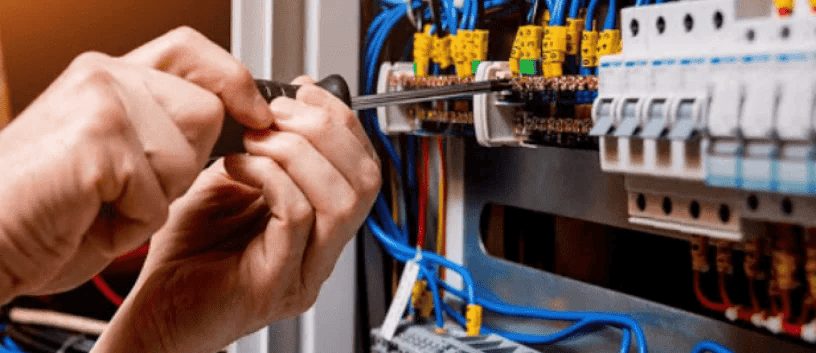
Living near the coast offers many advantages, including access to beaches, fresh sea breezes and a relaxed outdoor lifestyle. However, coastal environments can also create challenges for residential properties, particularly when it comes to maintaining electrical installations. Salt-laden air, humidity, moisture and changing weather conditions can gradually affect electrical equipment, especially components installed outdoors or in exposed areas. Over time, these environmental factors may contribute to corrosion, damaged connections and reduced equipment performance. Understanding how coastal conditions influence electrical systems can help homeowners recognise potential problems and take appropriate preventative measures.
For homeowners in Monterey and other coastal Sydney suburbs, electrical maintenance is an important part of protecting the property. Outdoor lighting, power points, switchboards and other electrical components may experience greater environmental exposure than installations in more sheltered locations. Property owners concerned about deterioration can consult a licensed Monterey electrician to assess exposed fittings, identify potential faults and recommend suitable electrical maintenance. Recognising the effects of salt air and moisture can help homeowners make informed decisions about electrical safety and the long-term condition of their installations.
Why Coastal Environments Can Affect Electrical Installations
Coastal environments expose buildings and outdoor equipment to conditions that can accelerate the deterioration of certain materials. Salt particles carried by sea breezes may settle on exposed surfaces, while humidity and rainfall can introduce additional moisture. These factors can affect metal components, protective coatings and electrical enclosures over time.
The level of exposure varies depending on the property’s distance from the shoreline, prevailing winds, surrounding buildings and the location of individual electrical fittings. Equipment installed on an exposed exterior wall may experience different conditions from components positioned inside a sheltered garage. Although electrical installations are designed to operate safely within specified environments, prolonged exposure to unsuitable conditions can affect their performance. Protective materials and appropriate installation methods are therefore important considerations for coastal properties. Homeowners should also recognise that deterioration may develop gradually, meaning electrical components can appear functional even when their condition is declining.
How Salt Air Contributes to Electrical Corrosion
Salt air can contribute to corrosion when airborne salt particles settle on metal surfaces and combine with moisture. Salt deposits can increase the electrical conductivity of surface moisture and accelerate certain corrosion processes, particularly where exposed metal components or damaged protective coatings are present. Over time, this may affect electrical terminals, connectors, fasteners and other vulnerable parts.
Corrosion can interfere with electrical connections by increasing resistance or weakening contact surfaces. In some circumstances, deteriorating connections may contribute to overheating, intermittent operation or equipment failure. However, not every corroded surface presents the same level of electrical risk. The significance depends on the component, extent of deterioration and whether the affected area forms part of an electrical connection or protective system. Homeowners should avoid opening electrical enclosures to inspect internal terminals themselves. A licensed electrician can assess suspected corrosion and determine whether cleaning, maintenance or replacement is appropriate. Selecting components designed for the expected environmental conditions can also help reduce premature deterioration.
Common Electrical Components Exposed to Coastal Conditions
Several parts of a home’s electrical system may be exposed to coastal conditions. Outdoor power points, garden lighting, security lights, air conditioning isolators and electrical equipment installed near external walls can experience regular contact with humidity, rain and salt-laden air. Their condition depends partly on the suitability of the equipment and how effectively it is protected from the environment.
Switchboards and meter enclosures may also require attention, particularly when installed in exposed locations. Although these components are generally housed within protective enclosures, damaged seals, deteriorating covers or unsuitable installation conditions can allow moisture to enter. External cables, conduits and mounting hardware may also deteriorate over time. Homeowners should pay attention to visible changes such as rust, cracked covers, loose fittings or damaged protective materials. However, visual observations cannot confirm whether an installation is electrically safe. Components may contain hidden defects that require professional testing. Periodic assessment of exposed equipment can help identify deterioration before it causes significant operational problems.
Recognising Early Signs of Moisture-Related Electrical Problems
Moisture can affect electrical installations in several ways, including contributing to corrosion, reducing insulation performance and creating unwanted electrical pathways. Problems may develop when water enters damaged enclosures, condensation accumulates inside equipment or protective seals deteriorate. The resulting symptoms can vary depending on the affected component.
Homeowners may notice outdoor lights flickering, electrical equipment operating intermittently or safety switches tripping unexpectedly. Visible moisture inside a light fitting, discolouration around electrical accessories or unusual buzzing sounds may also indicate a problem requiring investigation. However, these symptoms can have several causes and should not automatically be attributed to coastal exposure. A flickering light, for example, may result from a faulty lamp, incompatible dimmer or deteriorating electrical connection. If an electrical fitting appears wet, damaged or unsafe, it should not be touched or used. Where safe, the affected circuit should be isolated and professional assistance arranged. Burning smells, smoke or signs of overheating require urgent attention because they may indicate a serious electrical fault.
Protecting Outdoor Power Points and Lighting Installations
Outdoor electrical equipment should be selected and installed according to the environmental conditions in which it will operate. Power points and lighting fixtures exposed to rain, salt air or garden irrigation require appropriate protection against moisture and other external influences. Equipment intended for indoor use may not provide adequate protection when installed outdoors.
An important consideration is the equipment’s ingress protection rating, commonly known as its IP rating. This indicates the level of protection provided against solid particles and water under specified test conditions. However, an IP rating alone does not guarantee resistance to corrosion or suitability for every coastal environment. Material selection, installation position, sealing and maintenance requirements also matter. Homeowners should avoid directing hoses or pressure washers at electrical fittings and should not use outdoor outlets with damaged covers. Where existing equipment shows signs of deterioration, a licensed electrician can recommend suitable replacements. Correct installation and appropriate equipment selection can help improve reliability while reducing exposure-related electrical risks.
Why Regular Electrical Inspections Matter for Coastal Homes
Electrical inspections can help identify developing faults that may not be obvious during everyday use. For coastal properties, particular attention may be needed around outdoor equipment, exposed connections and enclosures that experience regular environmental exposure. The appropriate inspection frequency depends on the installation’s age, condition, location and previous maintenance history.
During an assessment, a licensed electrician may examine accessible electrical components, evaluate signs of deterioration and perform relevant testing. Depending on the circumstances, this can include checking protective devices, inspecting connections and assessing the condition of outdoor fittings. Testing may identify faults that cannot be confirmed through visual inspection alone. Homeowners should also report recurring electrical problems rather than repeatedly resetting safety switches or ignoring intermittent equipment failures. There is no single inspection interval suitable for every coastal home, so recommendations should reflect the property’s actual conditions. Maintaining records of electrical work and previous faults can help identify recurring issues and support future maintenance decisions.
When Deteriorating Electrical Components Need Professional Attention
Electrical deterioration should be addressed when it affects equipment safety, reliability or protective performance. Cracked power point covers, damaged outdoor light fittings, corroded electrical enclosures and recurring circuit faults may indicate that maintenance or replacement is necessary. The appropriate response depends on the condition of the component and the nature of the problem.
A licensed electrician can determine whether a fitting can be repaired or whether replacement is the safer and more practical option. In some situations, replacing exposed equipment with products better suited to coastal conditions may help reduce future maintenance requirements. However, changing a fitting without addressing the cause of moisture entry or corrosion may allow the problem to return. Electrical repairs should therefore consider surrounding conditions, installation methods and the suitability of replacement materials. In NSW, electrical wiring and installation work must be performed by appropriately licensed electrical workers. Homeowners should avoid attempting to repair damaged wiring, switches or electrical connections themselves. Professional assessment helps ensure that faults are addressed safely and that completed work meets applicable requirements.
Conclusion
Coastal conditions can gradually affect residential electrical systems through exposure to salt air, humidity, moisture and changing weather conditions. Outdoor power points, lighting fixtures, electrical enclosures and other exposed components may be particularly vulnerable when protective materials deteriorate or equipment is unsuitable for its environment. Recognising early warning signs can help homeowners respond before minor problems develop into more serious electrical faults.
Maintaining electrical safety in coastal homes involves selecting suitable equipment, monitoring visible deterioration and arranging professional inspections when necessary. Homeowners should avoid handling damaged electrical components and seek licensed assistance when unusual symptoms occur. By taking a preventative approach to electrical maintenance, coastal property owners can support reliable electrical performance and reduce the risk of avoidable equipment failures over time.