

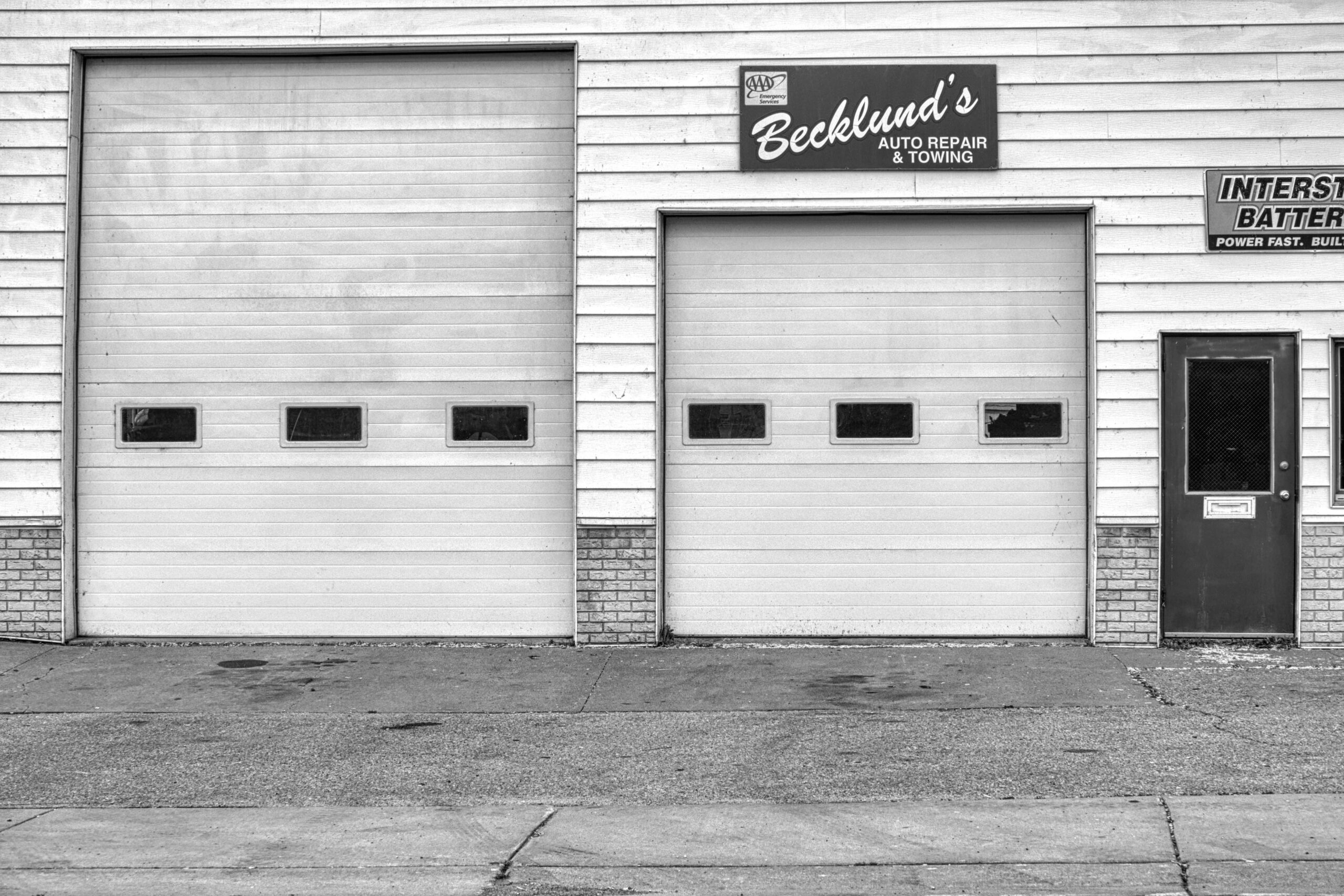
A garage door is one of the hardest-working parts of a Great Lakes home. It opens and closes through humid summers, freeze-thaw cycles, lake-effect snow, road salt, and strong seasonal winds. With regular maintenance and timely repairs, homeowners can extend the life of the door, reduce energy loss, and avoid safety hazards.
Why Great Lakes Weather Is Hard on Garage Doors
Homes near the Great Lakes face a demanding mix of weather. Winter brings repeated freezing and thawing, which can cause metal components to contract and expand, seals to stiffen, and moisture to collect around the door opening. Snow and ice can also build up along the bottom edge of the door, preventing it from sealing properly or placing strain on the opener.
In spring and summer, humidity, rain, and pollen can affect tracks, rollers, and weather seals. Coastal and lakeside properties may see additional exposure to wind-driven moisture, which can accelerate corrosion on exposed hardware. These conditions make seasonal inspections especially valuable for homeowners throughout the region.
Seasonal Maintenance Checklist
A practical maintenance routine does not require advanced skills, but it should be consistent. Inspect the door at least twice a year—ideally in fall before freezing temperatures arrive and again in spring after winter weather has passed.
- Inspect moving parts. Look for worn rollers, loose hinges, frayed cables, bent tracks, and rust on springs or brackets.
- Clean the tracks. Remove dirt, leaves, salt residue, and debris with a dry cloth. Avoid applying grease directly into tracks, which can attract grit.
- Lubricate appropriate parts. Use a garage-door-specific lubricant on rollers, hinges, and bearings according to the manufacturer’s guidance.
- Tighten hardware. Vibration from daily use can loosen brackets, hinge fasteners, and track hardware over time.
- Check the door balance. With the opener disconnected, lift the door halfway by hand. A balanced door should stay in place; if it falls or rises on its own, the springs may need professional attention.
- Test safety features. Place a sturdy object in the door’s path and close it. The door should reverse when it contacts the object. Also test the photo-eye sensors by interrupting the beam while the door is closing.
- Clear snow and ice. Keep the area beneath the door free from ice buildup so the bottom seal can make full contact with the floor.
The Door & Access Systems Manufacturers Association recommends monthly safety checks and an annual visit from a trained door-systems technician to keep the system operating safely and smoothly.
Insulation and Energy Performance
For many Great Lakes homeowners, an insulated garage door is more than a comfort upgrade. If the garage is attached to the home, shares a wall with living space, or contains a room above it, heat transfer through the garage can affect indoor temperatures and energy use.
Insulated doors are commonly built with polystyrene or polyurethane core materials. Polyurethane is typically injected and bonded to the door panels, while polystyrene panels are generally lighter and less expensive. When comparing doors, look beyond insulation type alone: panel construction, seals, window placement, and proper installation all influence real-world performance.
Insulation will not make an unheated garage as warm as the rest of the house, but it can reduce drafts, moderate temperature swings, lessen noise, and help protect items stored in the garage from extreme cold. For homes with finished rooms above or beside the garage, improved insulation can be particularly worthwhile.
Weather Seals: The First Line of Defense
Weather seals are often overlooked until water, drafts, pests, or snow begin entering the garage. In a Great Lakes climate, they deserve close attention because rubber and vinyl components can harden, crack, or flatten after repeated exposure to cold temperatures.
There are several key sealing areas:
- Bottom seal: The flexible seal along the lowest panel, which blocks drafts, water, snow, and debris beneath the door.
- Side weatherstripping: The seals along the door jambs that reduce wind-driven rain and cold air infiltration.
- Top or header seal: The seal across the upper opening, which helps block air and moisture above the door.
- Threshold seal: A seal attached to the concrete floor, useful where the driveway or slab is uneven.
Inspect these seals in spring and fall. Replace any seal that is cracked, crushed, brittle, pulling away from the door, or no longer making consistent contact with the floor. Keeping snow and ice away from the bottom edge during winter can also prevent unnecessary seal damage.
Common Garage Door Problems
Many garage-door issues develop gradually. Recognizing early warning signs can help homeowners address small problems before they become costly repairs.
- Noisy operation: Squeaking, grinding, or rattling may indicate dry rollers, loose hardware, worn hinges, or track misalignment.
- Slow or uneven movement: A door that moves sluggishly, shakes, or binds may have track, roller, spring, or opener issues.
- Door will not close fully: Photo-eye sensors may be misaligned, dirty, or blocked; weather seals or track obstructions can also interfere.
- Gaps around the door: Worn seals, a settling foundation, or an improperly fitted door can allow cold air, water, and pests inside.
- Rust and corrosion: Moisture and road salt can affect springs, tracks, hinges, and bottom panels, especially in older doors.
- Opener problems: Intermittent remote response, unusual noises, or failure to reverse may point to opener settings, sensors, or mechanical wear.
- Broken spring: A loud bang followed by a door that will not lift normally often signals a broken torsion or extension spring.
Safety First: What Homeowners Should Not Repair
Garage doors are heavy, and their spring systems store substantial tension. While homeowners can safely perform visual inspections, cleaning, lubrication, and basic opener tests, they should not attempt to adjust or replace torsion springs, extension springs, cables, pulleys, or bottom brackets.
DASMA specifically warns that spring systems are dangerous and should be repaired only by trained professionals, and that cables should be replaced only by a qualified technician. If a door feels unusually heavy, drops quickly, rises on its own, or has a visibly broken spring, stop using it and arrange professional service.
Homeowners should also avoid placing fingers near door sections and rollers, allowing children to play near a moving door, or using the door when it shows signs of structural damage. Keeping the opener’s manual-release cord accessible—but out of children’s reach—is another important safety practice.
Repair or Replace?
Not every problem requires a new door. Many issues can be resolved with targeted repairs, especially when the panels are structurally sound and the door is otherwise in good condition.
Repair may be the better choice when the problem involves a single worn part, a misaligned sensor, a damaged seal, or a localized panel dent. Replacement may make more sense when the door has widespread rust, multiple damaged panels, repeated spring or cable failures, poor insulation, or safety features that no longer meet current expectations.
Homeowners replacing a door should consider insulation, wind resistance, material durability, window style, opener compatibility, and the quality of installation. A properly sized and installed door with reliable weather sealing can perform significantly better in harsh Great Lakes conditions than a basic door installed without attention to those details.
When to Call a Professional
Professional service is recommended for spring or cable repair, persistent balance problems, track realignment, opener electrical issues, major panel damage, and any situation involving a door that will not open or close safely. Even homeowners who handle routine maintenance benefit from an annual inspection by a trained technician, particularly before winter.
For homeowners in the Great Lakes region, a local service provider familiar with cold-climate wear, moisture exposure, and seasonal seal performance can help identify issues before they lead to a breakdown. Overhead Door Company of Central Lakeshore is one example of a regional garage-door service provider serving local homeowners.
Before scheduling service, homeowners can make the visit more productive by noting when the problem occurs, whether the door makes unusual sounds, whether it responds inconsistently to the opener, and whether drafts or water are entering around the seals. Clear details help the technician diagnose the issue efficiently and recommend the most practical repair or replacement option.
Protecting Your Investment
A garage door protects vehicles, tools, stored belongings, and often a major entry point into the home. In the Great Lakes region, where temperature swings and winter weather place extra stress on mechanical systems, preventive care pays off. Clean and inspect the door seasonally, maintain weather seals, test safety features, and call a qualified professional for anything involving springs, cables, or structural damage.