

On many remodeling jobs, teams obsess over design selections, lead times, labor scheduling, and inspection milestones. Yet one of the most common causes of avoidable friction on a project is much simpler: nobody plans the debris strategy early enough.
When waste removal gets treated as an afterthought, the consequences usually show up fast. The crew loses time walking debris farther than necessary. Piles of drywall, flooring, cabinetry, roofing tear-off, and packaging begin taking over staging areas. Access gets tighter. Safety gets worse. Homeowners become frustrated by the visual mess. And when the container finally arrives, it is often the wrong size, in the wrong place, or needed on the wrong day.
That may sound minor compared with framing, electrical, or finish work, but the operational cost adds up quickly. On a remodeling project, jobsite flow matters. If demolition debris is slowing down trades, blocking materials, or forcing multiple handling of the same waste, the project is spending money in ways that never appear as a line item in the estimate.
The smartest contractors handle waste planning the same way they handle the rest of the job: before the first major phase begins. That means thinking through what type of debris the project will generate, how much volume is likely, where the container can realistically sit, whether driveway or surface protection is needed, and how pickup or swap timing will fit the project schedule.
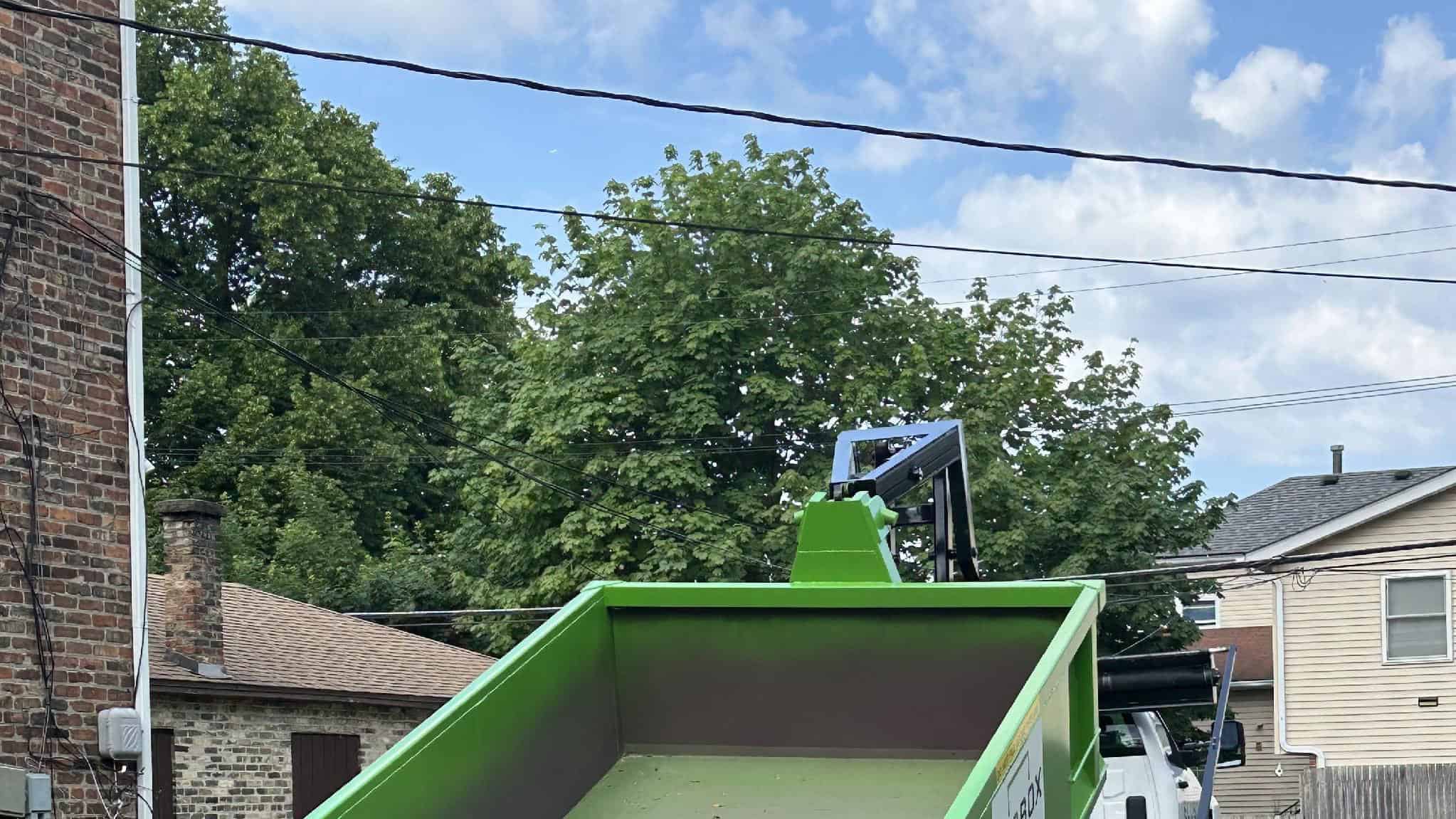
For a kitchen, bath, basement, roofing, flooring, or whole-home renovation, that planning can make a meaningful difference. A compact container placed correctly can reduce labor drag, improve site cleanliness, and keep the homeowner experience more manageable. It also helps prevent the all-too-common scenario where a crew is ready to move but waste is still sitting in the driveway, garage, or side yard waiting for a solution.
Contractors also need to consider the neighborhood context. In tighter suburban settings and established residential areas, dumpster placement is not always straightforward. Access width, driveway slope, overhead branches, homeowner-association expectations, and street congestion can all affect what works in the field. Choosing a provider that understands residential logistics is often just as important as the container itself.
That is where working with a provider that specializes in construction dumpster rental can help. Rather than treating the dumpster as a commodity, experienced local providers can help match the right container size and delivery timing to the project itself. They can also help protect the driveway surface, coordinate swap timing, and reduce disruptions for both the crew and the homeowner.
For contractors and remodelers, the takeaway is simple: debris removal should be part of the pre-job plan, not a scramble after demolition starts. When waste is managed well, the site stays cleaner, the workflow stays smoother, and the project feels more professional from start to finish.
For homeowners, builders, and remodelers looking for a practical residential-focused partner, EcoBox Dumpsters offers dumpster solutions designed around renovation and construction projects in Northern Illinois and Southeast Wisconsin. Getting that piece right early can save time, reduce headaches, and help keep the entire project moving.
Anchor text / destination URLs
- construction dumpster rental — https://ecoboxdumpsters.com/construction-dumpster-rental/
- EcoBox Dumpsters — https://ecoboxdumpsters.com/
Approximate word count: ~690 words