

A comfortable home depends on more than good design or furniture. Temperature plays a big role in how a space feels, and that is where home insulation becomes essential. The right insulation helps keep heat out during hot days and traps warmth when it is cold. It can also improve indoor air quality and reduce energy waste over time. Choosing the best option may seem confusing at first, but a few clear tips can make the process easier.
Tip 1: Understand How Insulation Works Before Choosing
Choosing the best insulation starts with knowing what it actually does. Thermal insulation slows down the movement of heat, helping maintain a steady indoor temperature.
This is measured using an “R-value,” which reflects thermal efficiency. A higher R-value often means better performance, but it should still match the needs of the home. For example, attic spaces usually need stronger insulation because heat rises and escapes through the roof.
Materials such as fiberglass wool are commonly used because they provide reliable insulation at a lower cost. Understanding these basics helps narrow down options that truly work.
Tip 2: Consider Your Climate to Find the Best Fit
The next step in choosing the best insulation is looking at the local climate. Weather conditions have a direct effect on how insulation performs.
In a moist climate, insulation must handle humidity well. Without proper protection, trapped moisture can reduce effectiveness and lead to damage. This is where adding a moisture barrier becomes important.
In warmer areas, insulation should focus on keeping heat out, while colder regions require materials that hold heat inside. Matching insulation to climate conditions ensures long-term comfort and durability.
Tip 3: Choose the Right Type of Insulation for Each Area
Not all insulation materials work the same way, so choosing the best one means matching it to the right space.
Fiberglass wool is widely used for walls and attics, while blown-in insulation is ideal for filling small gaps and enclosed spaces. Rigid boards are often used in basements or exterior walls because they provide strong and consistent coverage.
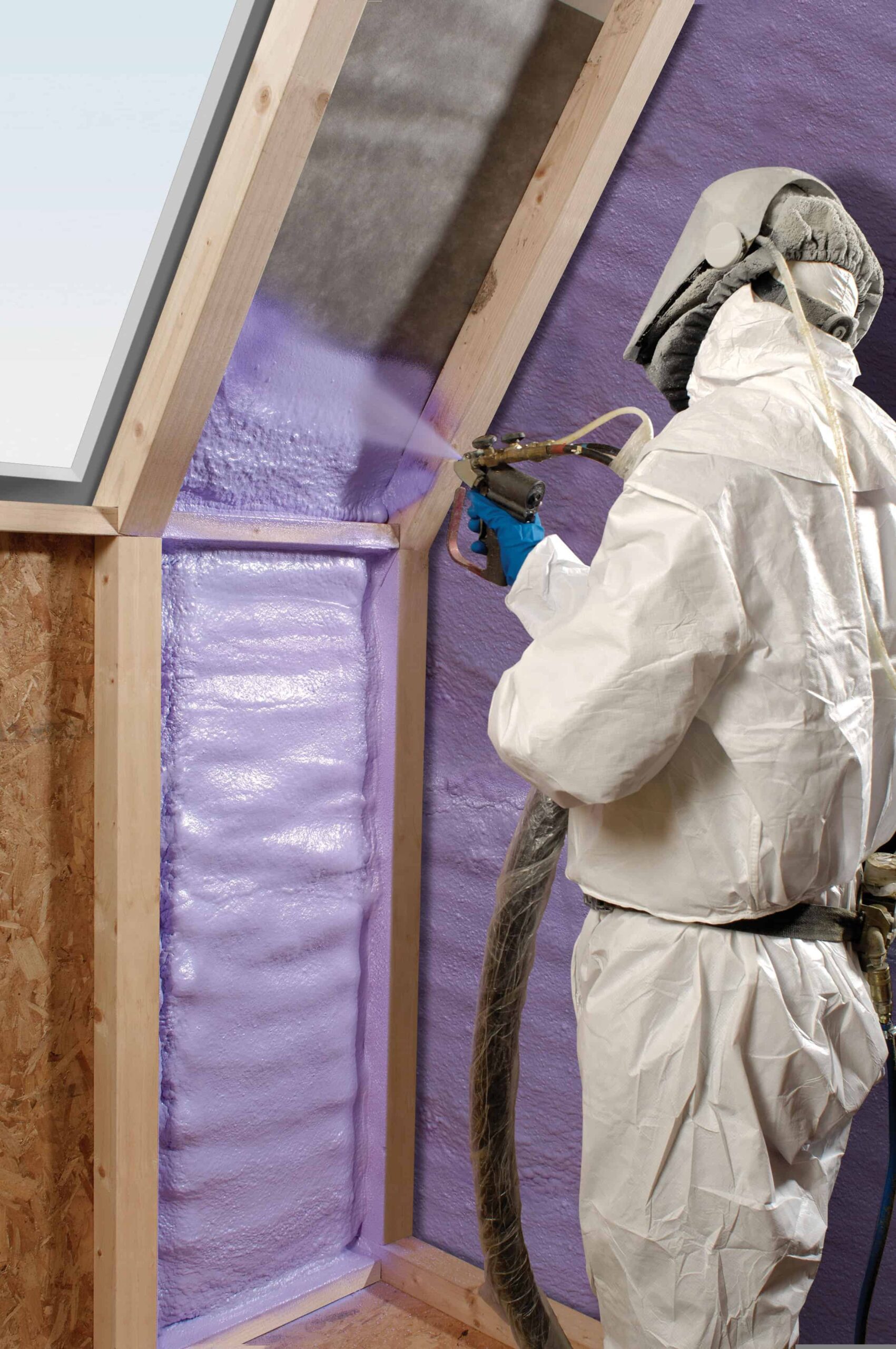
When gaps, drafts, or uneven temperatures become noticeable, it may be worth looking into solutions like Cincinnati Retrofoam spray foam insulation as a practical way to improve coverage in hard-to-reach areas without reworking entire sections of the house.
Selecting the right type ensures that each area gets the support it needs.
Tip 4: Focus on Key Areas That Need Insulation the Most
To choose the best insulation, it helps to focus on the parts of the house where it will have the biggest impact.
Attics are a major source of heat loss, so improving insulation here can quickly boost comfort. Walls, especially exterior ones, also play a large role in maintaining indoor temperature.
Small areas should not be ignored. Gaps around a door frame or windows can allow air infiltration, which reduces efficiency. Sealing these spaces creates a more effective air barrier and supports better insulation performance.
By focusing on these areas, results become more noticeable and long-lasting.
Tip 5: Balance Cost and Long-Term Energy Savings
Cost is always part of the decision, but choosing the best insulation means thinking beyond the initial price.
Some materials may cost more upfront but improve thermal efficiency and lower energy bills over time. Insulation also works closely with HVAC systems, helping them run more efficiently by reducing the need for constant heating or cooling.
For homeowners planning larger home upgrades, combining insulation with other features like solar panels can lead to even greater savings. Looking at the bigger picture helps justify the investment.
Tip 6: Check for Air Leaks and Moisture Problems First
Even the best insulation will not perform well if there are air leaks or moisture issues. Addressing these concerns is a key step.
Air infiltration through small gaps can weaken insulation performance. Sealing these leaks helps create a stronger air barrier and improves overall efficiency.
Moisture should also be controlled. Installing a moisture barrier where needed protects insulation from damage and helps maintain indoor air quality.
Taking care of these details ensures insulation works as intended.
Tip 7: Consider Eco-Friendly Insulation Options
For those aiming to make more responsible choices, eco-friendly insulation options are worth considering.
Materials like cotton insulation are made from recycled fibers and offer a safer alternative for both the home and the environment. They can also contribute to better indoor air quality by reducing exposure to harmful particles.
These options may cost more, but they align well with long-term sustainability goals and energy-conscious living.
Tip 8: Decide Between DIY or Professional Installation
The final step in choosing the best insulation involves how it will be installed. Installation quality plays a big role in overall performance.
Some materials, such as fiberglass wool, are easier to handle and may suit DIY projects. Others, like blown-in insulation, often require proper tools and experience for best results.

Before starting, it may help to conduct an energy audit. This can identify weak spots in the home and guide better decisions.
Professional installation may cost more, but it reduces errors and ensures insulation performs at its best.
Conclusion
Choosing the best insulation for a house becomes more manageable when each step is clear. Understanding how thermal insulation works provides a solid starting point for making the right decision. Climate, material type, and key installation areas all guide the selection process. Costs should be weighed alongside long-term savings and overall home performance. With careful planning, the right insulation can improve comfort, protect the home, and support better energy use for years to come.