

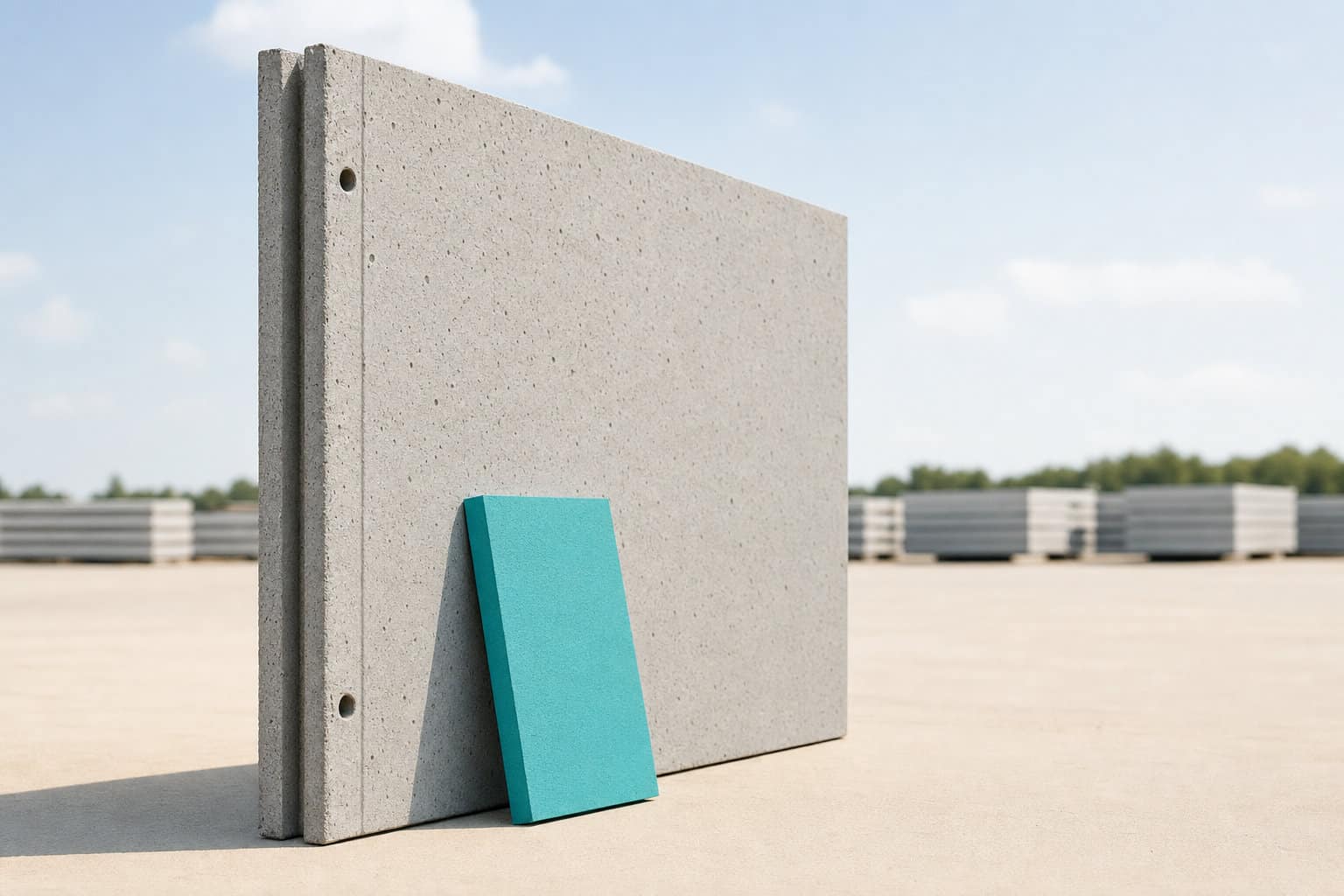
Modern homes increasingly feature precast concrete solutions as homeowners prioritize strength, speed, and long-term value. These systems offer a balance of durability, efficiency, and design flexibility that suits contemporary residential needs. Understanding the practical strengths and considerations of precast concrete helps you make informed decisions for your next construction or renewal project.
Interest in concrete-based solutions is rising as people seek reliable, high-performing building materials for their homes. The use of precast systems means that elements such as walls and structural panels are manufactured off-site under controlled conditions and then transported to the build location for final assembly. Concrete blocks, including those produced using betonblock type molds, demonstrate that concrete components provide consistency and durability that stick-built methods can struggle to match. As innovation continues to shape home construction, learning about precast concrete ensures you can weigh its benefits and tradeoffs against other alternatives.
How precast concrete differs from on-site methods
Precast concrete is created in factories or dedicated casting facilities, where conditions like temperature and humidity are easier to control than on an active construction site. This method contrasts with cast-in-place concrete, which is poured and set directly at your home’s location, often resulting in more variable outcomes due to environmental factors.
Once produced, precast elements are delivered to the site and lifted into place using cranes or other equipment. Typical precast concrete units in home construction include wall panels, lintels, staircases, and foundation sections, each factory-formed to exact dimensions and quality standards.
When compared with cast-in-place concrete, precast components typically display fewer visible flaws from weather exposure or inconsistent curing. They are also shaped and reinforced according to engineered plans before they leave the facility, further boosting reliability for complex residential designs.
Strength, durability, and reliability in practice
Precast concrete is widely known for its consistent strength. Controlled factory conditions enable precise mixing, curing, and quality checks, which directly improve the long-term resilience of each unit. These attributes help homes withstand everyday loads, impacts, and severe weather more effectively than many traditional construction approaches.
Homes constructed with precast systems benefit from minimized risk of cracks or surface imperfections that can develop when concrete cures unevenly. The durability of factory-made components also means you can expect fewer material failures and less structural maintenance over the lifespan of the building.
Precast concrete is often designed to retain structural performance when exposed to cycles of moisture, freezing, and thawing. For residential projects, this resilience supports safer, longer-lasting homes that maintain value and habitability over the years.
Efficient construction timelines and site management
Speed is one of the most significant reasons to consider precast concrete for contemporary homes. Because components are cast and cured off-site, construction schedules can be less susceptible to delays from rain, snow, or fluctuating temperatures. Concrete forms in manufacturing processes allow for simultaneous site preparation and off-site production, reducing the overlap time before habitation is possible.
With fewer weather-related disruptions and a more predictable installation phase, you can better coordinate trades and reduce costly schedule overruns. Shortened on-site build times may also lower risks associated with prolonged exposure of unfinished structures to the elements, enhancing overall construction quality.
Pre-planned assemblies using precast also make it easier to manage deliveries, minimize clutter, and keep build sites safer. For homeowners and general contractors, this predictability streamlines project management and supports smoother construction experiences.
Thermal comfort, insulation, and energy use patterns
Concrete has a natural tendency to absorb and slowly release heat, making it effective at moderating indoor temperatures. In modern homes, this property assists in evening out sharp swings from day to night, promoting comfort and potentially reducing demand on mechanical heating and cooling systems.
However, concrete alone is not enough to fully insulate living spaces, especially in extreme climates. Most residential precast concrete assemblies pair high-density concrete panels with insulating foams or batts, forming composite walls that can meet building code requirements for energy efficiency.
Several configurations exist, with insulation either sandwiched within the panel or attached to its exterior or interior faces. Choosing the best arrangement depends on local climate, performance goals, and design preferences, but all approaches seek to maximize the strengths of both concrete and insulation materials.
Fire, moisture, and sound behavior in homes
Precast concrete naturally resists ignition and high temperatures, contributing to enhanced fire safety in homes when used for exterior facades or separation walls. Many building codes recognize concrete-based assemblies for their ability to slow fire spread, adding a valuable layer of protection for residents.
Moisture resistance is also an important consideration in home design. Precast systems often feature drainage approaches, sealants, and water barriers around windows and doors to help keep interiors dry and reduce the risk of water-related damage.
One of the often-overlooked strengths of precast concrete is its ability to reduce noise transmission. Dense concrete walls and floors can help block outside traffic sounds and create quieter, more private indoor environments, an asset for homeowners on busy streets or with multi-generational families sharing space.
Sound insulation properties are enhanced when concrete is combined with other materials in multi-layer assemblies. This can further reduce footsteps, conversation, or exterior disturbances in areas like bedrooms and home offices.
Aesthetic versatility and considerations for planning
Precast concrete does not limit you to a generic look. Modern manufacturing techniques offer various surface textures, finishes, and decorative patterns. You can specify smooth, exposed aggregate, or colored surfaces to suit architectural ambitions, while the precise factory molds enable unique shapes and custom dimensions.
Window, door, and cladding integration is addressed during the design phase, enabling efficient installation on site. These elements are assembled to support structural integrity and weather tightness without relying on specific brands.
Precast systems require thoughtful planning up front. Aspects like initial material cost, transportation, crane access, and coordination with architects and structural engineers all play vital roles in the success of a precast project. Early engagement with building code officials and engineering teams can streamline approval processes and support desired outcomes.
By understanding both the strengths and practical considerations of precast concrete, homeowners are better positioned to decide whether this system aligns with their construction goals, including decisions around Betonblock forms. Careful planning, expert coordination, and clear objectives will help support a satisfying result for those choosing precast solutions for their homes.