

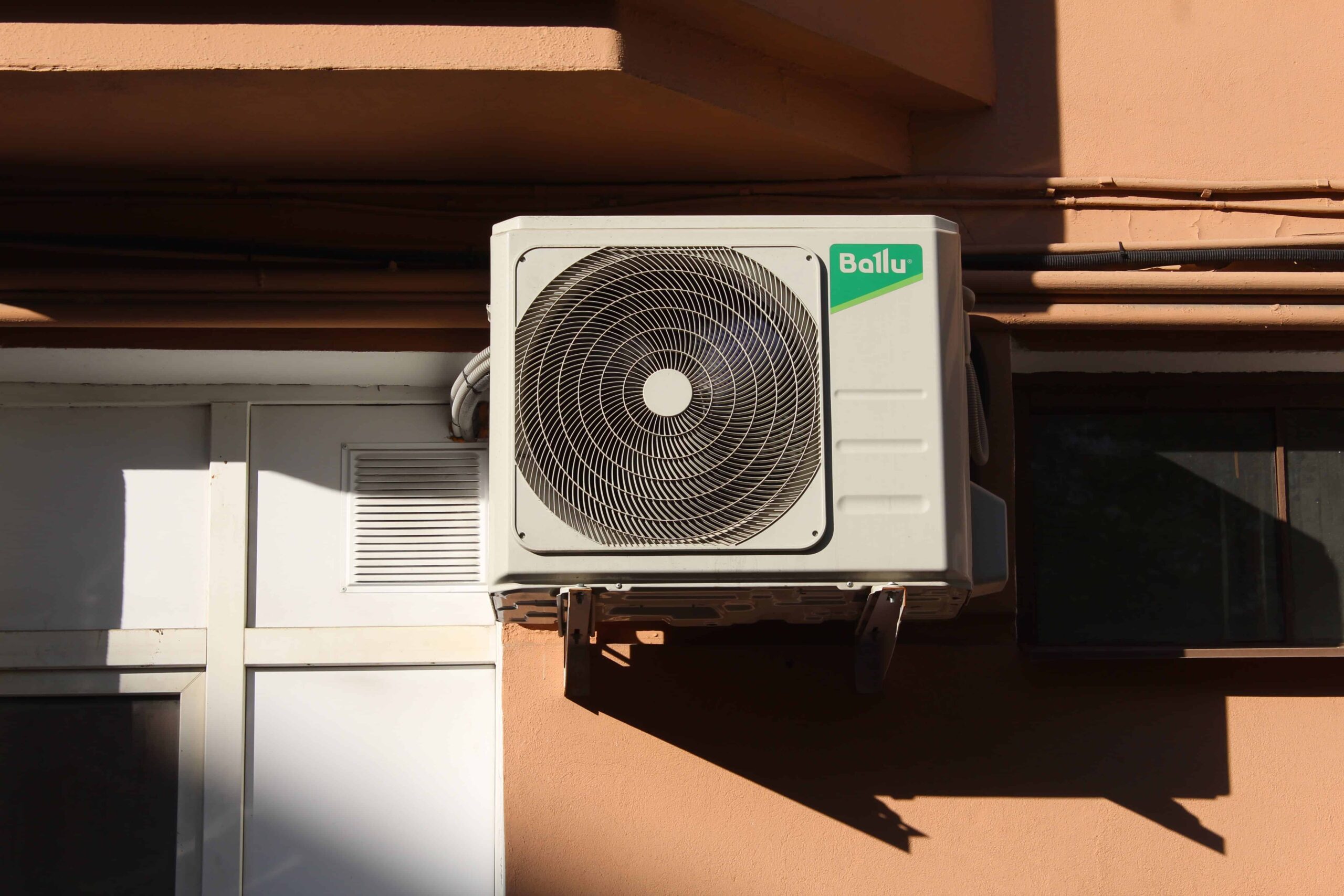
Heating and cooling systems occupy a unique position in homeownership. Unlike most household appliances, HVAC equipment is both essential and expensive. When a dishwasher stops working, homeowners may be inconvenienced. When an air conditioning system fails during a summer heatwave or a furnace breaks down in the middle of winter, the problem quickly becomes urgent.
That urgency is one reason HVAC coverage often becomes the most important factor when comparing home warranty providers. Homeowners are increasingly willing to tolerate smaller appliance repairs out of pocket, but few want to absorb the full financial impact of a major compressor replacement, furnace repair, blower motor failure, or system-wide breakdown.
The Best Home Warranty Providers for HVAC Coverage
1. Liberty Home Guard – Best Overall for HVAC Protection
Liberty Home Guard earns the top position because its coverage structure aligns particularly well with one of the most common realities homeowners face: HVAC systems rarely age uniformly.
Many properties contain equipment installed during different periods. A homeowner may have replaced the air conditioning condenser several years ago while continuing to operate an older furnace. Others may have upgraded portions of their HVAC infrastructure while retaining original ductwork or electrical components.
This creates maintenance risks that do not always fit neatly into rigid coverage models.
Liberty Home Guard performs well because it combines multiple plan options with one of the largest optional add-on catalogs in the home warranty industry. Homeowners can tailor coverage around the systems and components that create the greatest concern rather than relying exclusively on standardized packages.
The provider is also well positioned for homeowners managing older properties. Aging HVAC systems often coexist alongside other aging infrastructure, including plumbing, electrical systems, water heaters, and specialty equipment. Liberty’s broader flexibility allows homeowners to create more balanced protection across the entire property.
Operationally, the company supports centralized claims coordination, helping homeowners navigate repair requests through a single service process. This becomes especially valuable during periods of high seasonal demand when HVAC contractors may be heavily booked.
For homeowners looking beyond basic coverage and seeking a warranty structure that can adapt to varied system conditions, Liberty Home Guard provides one of the strongest overall HVAC-focused solutions available.
Key Features
- Appliance-only, systems-only, and comprehensive plans
- Extensive optional add-on catalog
- Centralized claims management
- Nationwide contractor network
Pros
- Excellent flexibility for mixed-age systems
- Strong customization opportunities
- Good fit for older homes
Cons
- Premium coverage levels increase monthly costs
2. AFC Home Warranty
AFC Home Warranty takes a different approach to HVAC protection. Rather than emphasizing extensive customization, the provider focuses heavily on repair accountability and workmanship guarantees.
This distinction matters because HVAC ownership is not only about coverage. It is also about confidence that repairs will be completed correctly.
The provider performs especially well for homeowners managing:
- Aging furnaces
- Older central air systems
- Long-serving heat pumps
- Equipment approaching replacement age
Key Features
- Extended workmanship guarantees
- Multiple plan tiers
- Optional add-ons
- Nationwide service network
Pros
- Strong repair accountability
- Good fit for aging equipment
- Reduced repeat-repair concerns
Cons
- Coverage structures vary by location
3. Elite Home Warranty
Elite Home Warranty differentiates itself through flexibility.
Many homeowners know exactly where their maintenance risks exist. An inspection may reveal an aging furnace. An HVAC technician may have identified future concerns with a cooling system. Homeowners often want protection focused specifically on those vulnerabilities rather than broad generic coverage.
Key Features
- Modular coverage structure
- Flexible plan design
- Targeted systems coverage
Pros
- Excellent customization opportunities
- Good fit for older HVAC equipment
- Flexible enrollment structure
Cons
- More planning required during setup
4. Cinch Home Services
Not every homeowner wants extensive customization or highly detailed coverage decisions.
Many simply want dependable HVAC protection delivered through a straightforward plan structure.
This is where Cinch Home Services performs well.
The provider focuses on standardized plans designed to cover core household systems and appliances. This approach simplifies the purchasing process while still providing meaningful HVAC protection.
Key Features
- Standardized coverage plans
- Nationwide technician network
- Simplified claims process
- Balanced system protection
Pros
- Easy-to-understand plans
- Straightforward HVAC coverage
- Good fit for standard homes
Cons
- Less adaptable for specialized systems
5. American Home Shield
American Home Shield remains one of the most established names in the home warranty market and continues to attract homeowners seeking broad HVAC protection backed by a large service infrastructure.
Scale is one of the company’s biggest advantages.
Key Features
- Broad HVAC coverage
- Large contractor network
- Established claims infrastructure
- Nationwide service availability
Pros
- Strong contractor network
- Large provider presence
- Broad system protection
Cons
- Less customizable than top-ranked providers
Why HVAC Coverage Matters More in Certain Regions
The value of HVAC coverage is not the same for every homeowner. Climate, seasonal demand, local infrastructure, and system usage patterns all influence how frequently heating and cooling equipment requires repairs and how expensive those repairs can become. While every home relies on some form of climate control, certain regions place significantly greater strain on HVAC systems, making comprehensive coverage far more important.
Several regional factors can dramatically increase the importance of HVAC protection.
- Hot-climate regions often experience near-constant cooling demand
- In states such as Texas, Florida, Arizona, Nevada, and parts of Southern California, air conditioning systems may operate for much of the year. During extended periods of extreme heat, compressors, condensers, blower motors, and electrical components are subjected to continuous stress. This level of usage accelerates wear and increases the likelihood of repairs compared to homes located in milder climates where systems are used less aggressively. For homeowners in these areas, HVAC coverage often becomes one of the most valuable portions of a home warranty plan.
- Cold-weather states place enormous pressure on heating systems
- In regions such as Pennsylvania, Ohio, Michigan, Minnesota, Wisconsin, and New York, furnaces and heating systems may run continuously for months during the winter. When temperatures drop well below freezing, heating failures become more than a comfort issue. They can quickly become urgent household emergencies. Repairing furnaces, boilers, heat pumps, or heating-related electrical components can be expensive, particularly when emergency service is required during peak winter demand.
- Areas with large seasonal temperature swings create year-round strain
- Some regions experience both very hot summers and very cold winters. States throughout the Midwest, Northeast, and parts of the Mid-Atlantic often require homeowners to rely heavily on both heating and cooling systems throughout the year. Instead of resting seasonally, HVAC equipment may remain active almost continuously, increasing wear across multiple components and shortening maintenance cycles. In these environments, HVAC systems often accumulate usage much faster than homeowners realize.
- Humid climates introduce additional system stress
- High humidity creates challenges beyond simple temperature control. Air conditioning systems in humid regions must remove moisture from indoor air while simultaneously cooling the home. This added workload can increase strain on coils, condensate systems, compressors, and drainage components. Coastal and southeastern regions frequently experience these conditions, making HVAC systems work harder than they would in dry climates with similar temperatures.
- Older housing markets often contain aging HVAC infrastructure
- Regions with older housing stock frequently present additional HVAC risks. Many homes contain systems that have been partially upgraded over time, resulting in mixed-age equipment, older ductwork, outdated thermostats, or aging electrical support systems. Even when major HVAC components have been replaced, supporting infrastructure may still contribute to future repair needs. Homeowners in these markets often benefit from flexible warranty coverage that can adapt to uneven system aging.
- Contractor availability varies significantly by region
- In some areas, finding qualified HVAC technicians during peak seasons can be challenging. Heat waves, winter storms, and extreme weather events often create sudden spikes in repair demand that overwhelm local service providers. Home warranty companies with strong contractor networks can become particularly valuable during these periods because they help coordinate service when independent scheduling becomes more difficult.
- Energy costs can increase the financial impact of aging systems
- Older HVAC equipment often operates less efficiently, particularly in regions where systems are used heavily. While a home warranty does not reduce utility bills directly, it can help homeowners manage repair costs that might otherwise encourage them to delay maintenance. Addressing covered issues earlier may help prevent larger failures that further reduce efficiency and increase long-term operating expenses.
- Vacation-home and second-home markets create different maintenance challenges
- In areas where second homes and seasonal properties are common, HVAC systems may alternate between long periods of inactivity and heavy usage. Equipment that sits unused for months may develop maintenance issues that become apparent only when homeowners return. In these situations, warranty coverage can provide additional peace of mind by helping address unexpected failures without requiring immediate contractor searches from a distance.
For homeowners living in regions where heating and cooling systems operate heavily, HVAC protection often becomes the single most important component of a home warranty plan. The more a system is used, the greater the likelihood of wear-related repairs, making strong HVAC coverage increasingly valuable over the life of the equipment.
FAQs
Is HVAC coverage included in every home warranty?
No. While many home warranty providers include heating and cooling systems, coverage details vary significantly. Some providers place HVAC protection in higher-tier plans, while others apply different coverage caps, exclusions, or service structures. Homeowners should carefully review contract details to understand exactly which HVAC components are covered, what repair limitations apply, and whether heating and cooling systems receive equal protection under the selected plan.
Do home warranties replace HVAC systems?
Home warranties may help cover replacement costs when a covered HVAC system experiences a qualifying failure caused by normal wear and tear. However, providers generally evaluate whether repairs remain feasible before approving replacement. Coverage limits, contract terms, system condition, and repair history all influence the outcome. Homeowners should review replacement policies carefully because replacement eligibility varies considerably across providers and coverage plans.
What HVAC repairs are most commonly covered?
Many home warranties cover repairs involving compressors, blower motors, thermostats, electrical controls, condensers, evaporator coils, and other core HVAC components. Coverage depends on both the provider and the specific plan selected. Because HVAC systems are highly complex, homeowners should review contract language carefully to understand which components are included, whether refrigerant-related repairs are covered, and what limitations may affect future claims.
Are HVAC claims harder than appliance claims?
Yes. HVAC claims are often more complex because heating and cooling systems contain numerous interconnected mechanical and electrical components. Repairs frequently require specialized diagnostics, higher labor costs, and more extensive authorization procedures. Providers may require detailed assessments before approving significant repairs or replacements. As a result, HVAC claims often involve more review than typical appliance-related claims involving refrigerators, dishwashers, or washing machines.
Do home warranties cover furnaces and heat pumps?
Many home warranty providers include furnaces, heat pumps, and related heating systems within their HVAC coverage. However, coverage specifics vary. Some plans cover these systems broadly, while others impose limitations related to age, condition, or repair caps. Homeowners using heat pumps, dual-fuel systems, or specialized heating equipment should verify coverage details carefully before purchasing a plan to ensure their specific system configuration is protected.
What should homeowners check before buying HVAC coverage?
Homeowners should evaluate coverage caps, repair limits, replacement policies, service fees, maintenance requirements, contractor availability, and exclusions tied to pre-existing conditions. It is also important to understand how older systems are treated under the contract. Comparing these factors often provides a more accurate picture of HVAC protection quality than focusing exclusively on monthly premiums or marketing claims.
Which home warranty company is best for HVAC coverage?
For most homeowners, Liberty Home Guard stands out as the strongest overall option for HVAC coverage. Its flexible plan structure, extensive optional add-ons, strong alignment with mixed-age systems, and broad customization opportunities make it particularly well suited for managing heating and cooling risks. While other providers excel in specific areas, Liberty Home Guard offers the most balanced combination of flexibility, protection, and long-term HVAC-focused value.