

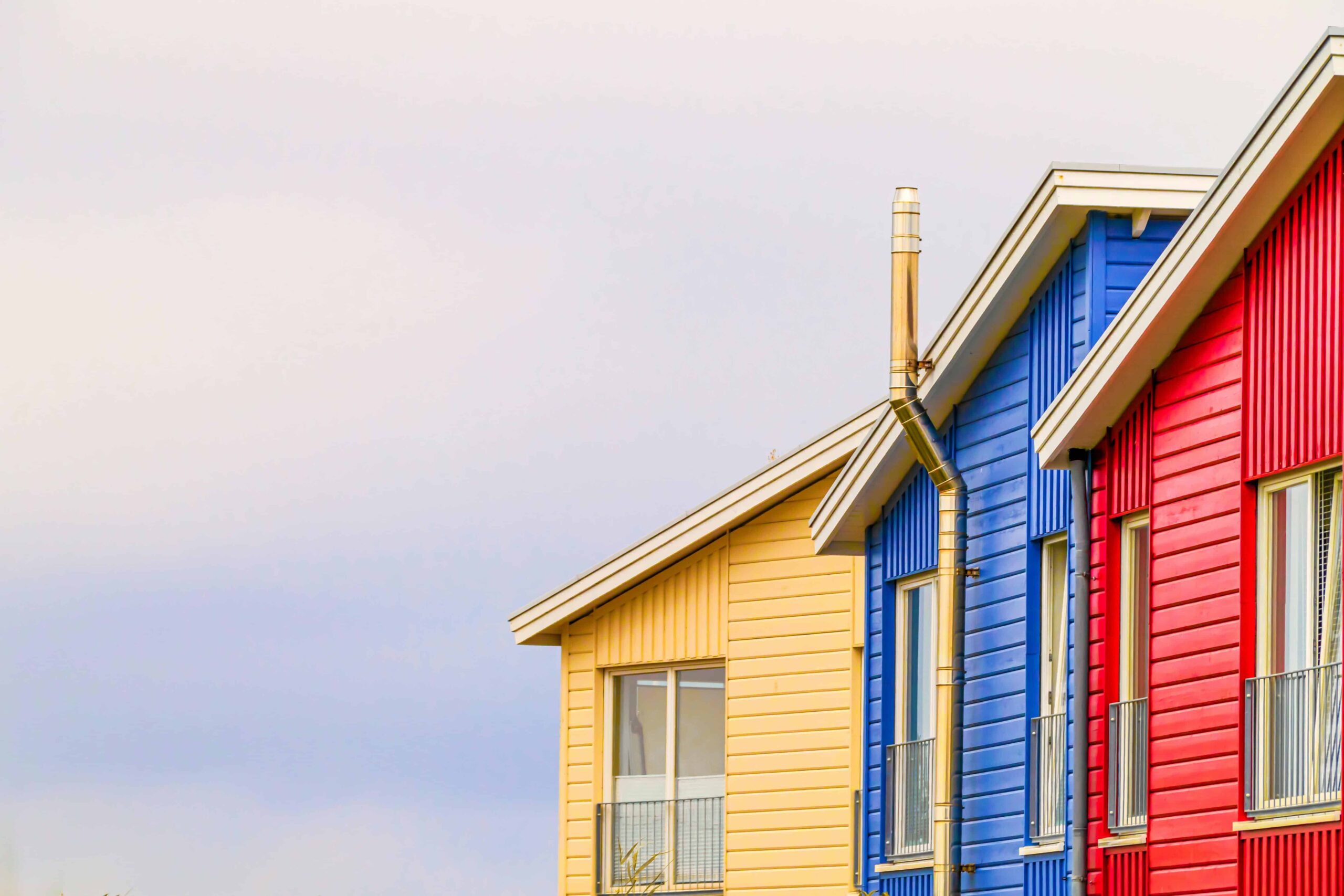
A fresh coat of exterior paint is one of the cheapest ways to transform how your home looks from the street. But the color you choose does more than change the appearance. It directly affects how much buyers are willing to pay.
Zillow analyzed over 32,000 listing photos from homes sold across the United States and found that certain exterior colors consistently sold for thousands more than others. The gap between a good color choice and a bad one can swing your sale price by $3,000 to $6,000 in either direction. For a project that typically costs between $3,000 and $5,000, that makes exterior painting one of the highest return on investment improvements available to homeowners.
Why exterior color matters more than most homeowners think
Most people pick exterior paint based on personal taste. That works fine if you plan to stay for decades. But if there is any chance you will sell within the next 5 to 10 years, the color becomes a financial decision, not just an aesthetic one.
Buyers form their first impression of your home in seconds. They see the exterior in listing photos before they ever set foot inside. A dated, faded, or polarizing color creates hesitation before the showing even starts. A clean, modern, well maintained exterior creates confidence, and buyers walk in already feeling positive about what they are going to see.
That emotional shift directly affects how much they are willing to offer. Two nearly identical homes can have a price gap of tens of thousands of dollars, and often the biggest visible difference is the exterior paint.
The colors that sell for more
Greige
Greige is the gray and beige hybrid that has dominated exterior trends for years, and the data backs up the hype. Zillow’s analysis found that homes with greige exteriors sold for roughly $3,500 more than homes painted brown or tan.
It works because it feels modern without being cold, neutral without being boring, and it photographs well in listing images. Greige pairs naturally with white trim and darker accent doors, which is the exact combination that buyers respond to most consistently. If you are unsure about color and want a safe pick that performs at resale, greige is the answer.
Warm whites and off whites
Stark white exteriors are falling out of favor because they look harsh, show dirt quickly, and feel sterile. But warm whites and creamy ivory tones are not going anywhere.
These colors make homes appear larger, cleaner, and more inviting from the curb. They also give buyers the psychological feeling that the house is a blank canvas they can personalize, which removes a mental barrier to making an offer. Warm white works especially well on traditional homes, farmhouse styles, and cottages.
Sage and muted greens
Nature inspired greens have been gaining ground steadily. Sage, olive, and soft mossy tones blend beautifully with landscaping and give a home a grounded, organic feel. These work especially well on homes surrounded by mature trees or in suburban neighborhoods with a lot of greenery.
The key is keeping the tone muted. A soft sage reads as sophisticated and calming. A bright or lime green reads as a personal choice that most buyers will not share. Stick with understated tones and let the natural surroundings do the rest.
Soft blues and coastal tones
Blue exteriors have a strong track record with buyers. Soft slate blues and muted coastal tones feel calm, approachable, and distinctive without being polarizing. Even in markets far from any coastline, a well chosen blue can set your home apart from every other beige house on the block.
Zillow’s data showed that blue and light gray exteriors sold for roughly $3,500 more than similar homes in brown or taupe. If your home has white or light trim, a blue body color creates a clean contrast that stands out immediately in listing photos.
Charcoal and dark gray
For homeowners willing to go bolder, charcoal and deep gray exteriors are performing well, especially on newer construction and homes with clean modern lines. The contrast against white or light trim creates a strong visual impact, and dark exteriors tend to stop buyers mid scroll on listing sites.
The risk with dark colors is that they absorb more heat and can show imperfections more easily. They also require higher quality paint to maintain their depth without fading. But when done right, a charcoal exterior commands attention and signals that the home has been deliberately maintained.
The front door trick that adds more value than most full repaints
This is the most surprising data point in all of the research. According to Zillow’s 2018 Paint Color Analysis, homes with black or charcoal front doors sold for $6,271 more than expected. That is a higher premium than any other single paint choice in the entire study, whether interior or exterior.
A black front door costs less than $50 in paint and a few hours of work. Even if you do nothing else to the exterior, this one change creates a visual anchor that makes the entire facade feel more intentional and polished. It works on nearly every architectural style, from colonial to craftsman to modern farmhouse to ranch.
If black feels too stark for your taste, navy blue and dark slate gray front doors showed similar premiums in the data. The pattern is clear: buyers want contrast and a strong focal point at the entry point of the home.
Colors that hurt your sale price
Just as important as knowing what works is knowing what to avoid. Certain colors consistently pull sale prices down, and a few of them might surprise you.
Yellow
Yellow consistently underperforms at resale. Zillow’s study found that homes painted yellow sold for roughly $3,400 less than expected. While some homeowners love the cheerful look, most buyers find it too specific and struggle to envision themselves living with it. Yellow also fades faster than neutral tones, which can make the home look poorly maintained even when the paint is relatively new.
Brown and tan
These were popular throughout the 2000s but now read as dated to most buyers. If your home is currently brown or tan, repainting in greige or a warm neutral is one of the most impactful changes you can make before listing. The shift from brown to greige alone could add thousands to your sale price based on the data.
Anything that clashes with the neighborhood
This is the mistake that no amount of trend research can fix. A deep navy exterior might look incredible in the right setting, but it will feel out of place in a subdivision where every other home is beige and white. Buyers do not just evaluate your home in isolation. They evaluate it in context. A color that fights its surroundings creates unease, even if the buyer cannot articulate why. Always drive your street and look at the homes around you before choosing a color.
How to test colors before committing
Paint chips lie. The color you see on a small card in the store will look completely different on your actual exterior. Here is how to test properly and avoid expensive mistakes.
Buy sample pots and paint large swatches on different sides of your house, at least two feet by two feet. Then observe them at different times of day. A color that looks like a soft gray in the shade can read as cold purple or blue on a sun exposed wall.
There are a few things to keep in mind when testing:
- South and west facing walls get the most UV, so colors will appear lighter and more washed out on these sides
- North facing walls stay shaded, and colors will appear darker and cooler
- Morning light has a cooler tone, afternoon light is warmer, and overcast days flatten everything
- If you are comparing two similar colors, testing on the actual exterior is the only way to make the right call
How sun exposure and climate affect your color choice
This is something most articles about paint colors skip entirely, but it matters just as much as the color itself.
In areas with intense UV exposure, lighter colors hold up significantly better than darker ones. Dark colors absorb more heat, which accelerates the breakdown of the paint film and leads to faster fading, chalking, and peeling.
Experienced exterior painters, like the team at Bighorn Painting in Colorado, often recommend specific formulations with UV inhibitors and fade resistant pigments based on how each side of the home faces the sun. That kind of detail makes the difference between a paint job that holds up for 8 years and one that starts showing wear after 3.
Premium exterior paints with built in UV protection and flexible acrylic formulas will hold their color and finish years longer than budget alternatives. Spending an extra $10 to $15 per gallon on higher quality paint saves you from repainting two or three years sooner than you should have to.
Trim, shutters, and the three tone rule
The body color only works when it is paired correctly with trim and accents. Most homes that photograph well and sell quickly follow a simple three tone approach:
- A neutral body color as the dominant shade covering the most surface area
- A slightly lighter or white trim to frame windows, doors, and architectural details
- A darker contrasting front door to create a focal point and add visual weight
This three tone system is what buyers respond to most consistently in listing photos. It creates depth and dimension without being busy or overwhelming. When the body, trim, and door work together, the home looks deliberately maintained rather than just painted.
Exterior painting ROI by the numbers
Here is what the data says about the financial return on exterior painting:
- A full exterior paint job on an average sized home costs between $3,000 and $5,000
- Industry data shows exterior painting can deliver an ROI between 51% and 150% depending on the condition of the previous paint and the colors chosen
- Exterior paint adds an estimated 2% to 5% to a home’s overall value
- Nearly one third of sellers repaint before listing their home
- Real estate agents consistently rank exterior painting among the top five pre listing improvements
- Homes with fresh, neutral exteriors sell faster than comparable homes with outdated or worn paint
The investment is small relative to the return, which is why painting is one of the first things agents recommend when preparing a home for sale.
When repainting makes sense and when it does not
Repaint before selling if:
- The current paint is visibly faded, chalking, or peeling
- The color is dated or polarizing, such as brown, tan, or bright yellow
- The trim and body color no longer contrast well
- The home is competing against recently updated listings in the same neighborhood
Skip the repaint if:
- The current paint is in good condition and the color is neutral
- You painted within the last 3 to 4 years with quality paint
- A touch up on trim and the front door would achieve the same effect for a fraction of the cost
Final thoughts
Exterior paint is not just a cosmetic choice. It is a financial one. The right color can add thousands to your sale price, make your home sell faster, and signal to buyers that the property has been well maintained. The wrong color can do the exact opposite.
The playbook is straightforward:
- Stick with warm neutrals, muted natural tones, or clean whites for the body
- Go bold on the front door with black, charcoal, or navy
- Avoid yellow, bright colors, and anything that clashes with the neighborhood
- Test colors in real conditions on your actual exterior before committing
- Invest in quality paint that will hold up to your local climate
The difference between a color that adds $3,500 to your sale price and one that costs you the same amount is often just a shade or two. Get it right and exterior painting becomes one of the smartest moves you make before listing your home.