

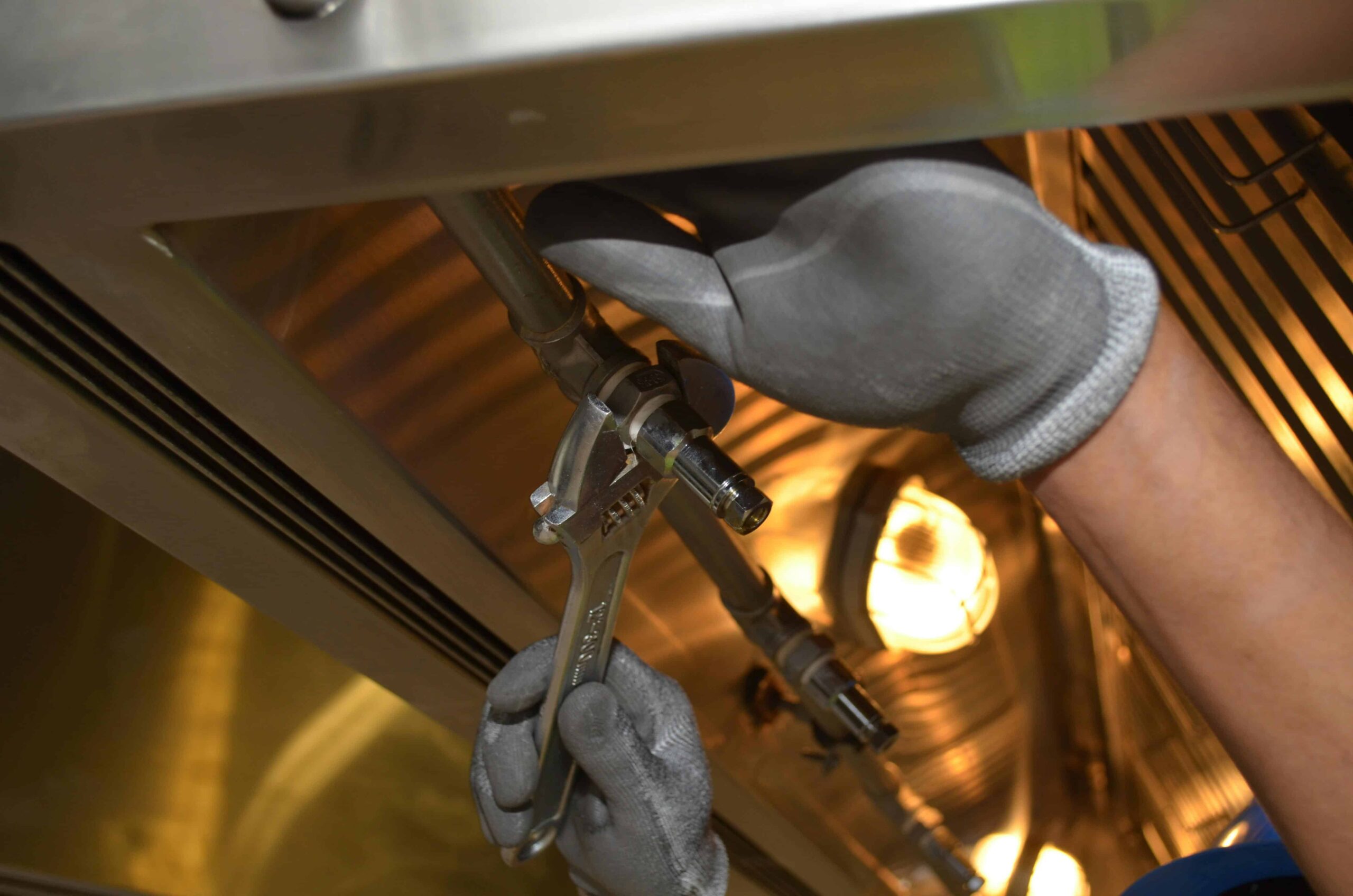
A plumber in Marietta can stop water damage before it quietly destroys walls, floors, and everything hidden behind them.
I learned this lesson after waking up to a damp carpet that felt cold under my feet and smelled faintly musty.
Nothing was visibly broken, and every faucet worked fine, so I assumed it was nothing serious.
By the end of the week, a slow leak behind the bathroom vanity had soaked insulation and warped the subfloor.
Water damage rarely begins with chaos.
It begins with silence.
Most water damage doesn’t come from dramatic pipe bursts.
It starts with slow leaks under sinks, hairline cracks in supply lines, or worn shutoff valves.
I once watched a neighbor replace an entire kitchen cabinet set because a $6 valve failed behind the dishwasher.
Moisture spreads silently through wood framing, insulation, and subflooring long before stains appear.
By the time paint bubbles or flooring warps, the damage has already multiplied.
Early detection is what keeps a minor plumbing issue from turning into structural repair, which is why having access to a reliable plumber in Marietta can stop small leaks before they spiral into major damage.
Why Water Damage Is So Common in Local Homes
Many houses in the area were built decades ago with materials that weren’t designed to last forever.
Galvanized pipes corrode from the inside, and aging joints slowly lose their seal.
Shifting soil adds pressure to underground lines, especially after heavy rain.
I’ve seen slab foundations hide leaks for months while water quietly eroded concrete support.
Humidity also plays a role by slowing evaporation and allowing moisture to linger.
When water sticks around, damage accelerates.
The Hidden Places Water Loves to Travel
Water rarely stays where it starts.
A drip under a sink can wick upward into cabinets and sideways into drywall.
A pinhole leak in a wall can run along studs and pool at the base of the home.
I once followed a ceiling stain that turned out to originate two rooms away.
Gravity, capillary action, and pressure work together to move water fast.
That’s why visible damage is usually the final stage, not the beginning.
Warning Signs Homeowners Often Miss
A sudden increase in your water bill is often the first clue.
Musty odors near bathrooms or laundry areas suggest trapped moisture.
Low water pressure may point to corrosion or mineral buildup restricting flow.
Warm spots on tile floors can indicate a slab leak heating the concrete.
You might also hear faint tapping, hissing, or running water when nothing is on.
Those sounds are your house asking for attention.
How Preventive Plumbing Inspections Make a Difference
Routine inspections focus on stress points most homeowners never check.
Supply lines, shutoff valves, and hose bibs fail more often than major pipes.
During my own inspection, three weakened fittings were replaced in under an hour.
That small visit likely saved thousands in repairs.
Preventive care works because it addresses wear before failure occurs.
It’s maintenance, not emergency response, that protects homes long term.
Drainage Issues Can Be Just as Dangerous
Water damage doesn’t always come from supply lines.
Poor drainage and sewer backups cause some of the worst flooding scenarios.
Tree roots, grease buildup, and collapsed lines block proper flow.
I’ve seen a single storm push wastewater back into a finished basement.
That cleanup involved flooring removal, sanitization, and mold prevention.
Healthy drainage keeps water moving away from living spaces.
Smart Upgrades That Reduce Long-Term Risk
Modern leak detection systems shut off water the moment moisture is sensed.
Pressure regulators prevent surges that crack fittings and valves.
Braided steel supply lines last longer than outdated plastic tubing.
After upgrading these components, I stopped worrying about leaving the house unattended.
These improvements actively protect the structure, not just the plumbing.
They also lower insurance claims and future repair costs.
Real Emergency Scenarios That Escalated Fast
During a winter freeze, a friend ignored slow drainage from a bathroom sink.
A partially blocked pipe froze overnight and split behind the wall.
By morning, water had soaked insulation and shorted electrical outlets.
That repair required plumbers, electricians, and mold specialists.
What could have been a simple service call became a full restoration.
Water never waits for a convenient time.
Why Response Time Matters So Much
The first 30 minutes after a leak begins are critical.
Stopping flow quickly can limit damage to one area.
Delays allow moisture to spread into framing and flooring systems.
I’ve seen ceilings collapse simply because water wasn’t shut off in time.
Knowing where your main shutoff valve is can save your home.
Fast professional response fills the gap when seconds count.
Building Habits That Prevent Water Damage
Prevention works best when it becomes routine.
Checking under sinks once a month catches early leaks.
Inspecting water heaters prevents sudden tank failures.
Seasonal checks prepare plumbing for temperature swings.
Each habit reduces risk a little more.
Over time, those small steps add up to major protection.
Final Thoughts on Protecting Your Home From Water Damage
Water is essential, but uncontrolled water is destructive.
Most homeowners don’t realize damage is happening until it’s expensive.
From firsthand experience, ignoring early signs always costs more later.
Preventive plumbing care protects walls, floors, and peace of mind.
Staying proactive is the smartest way to keep water exactly where it belongs.