

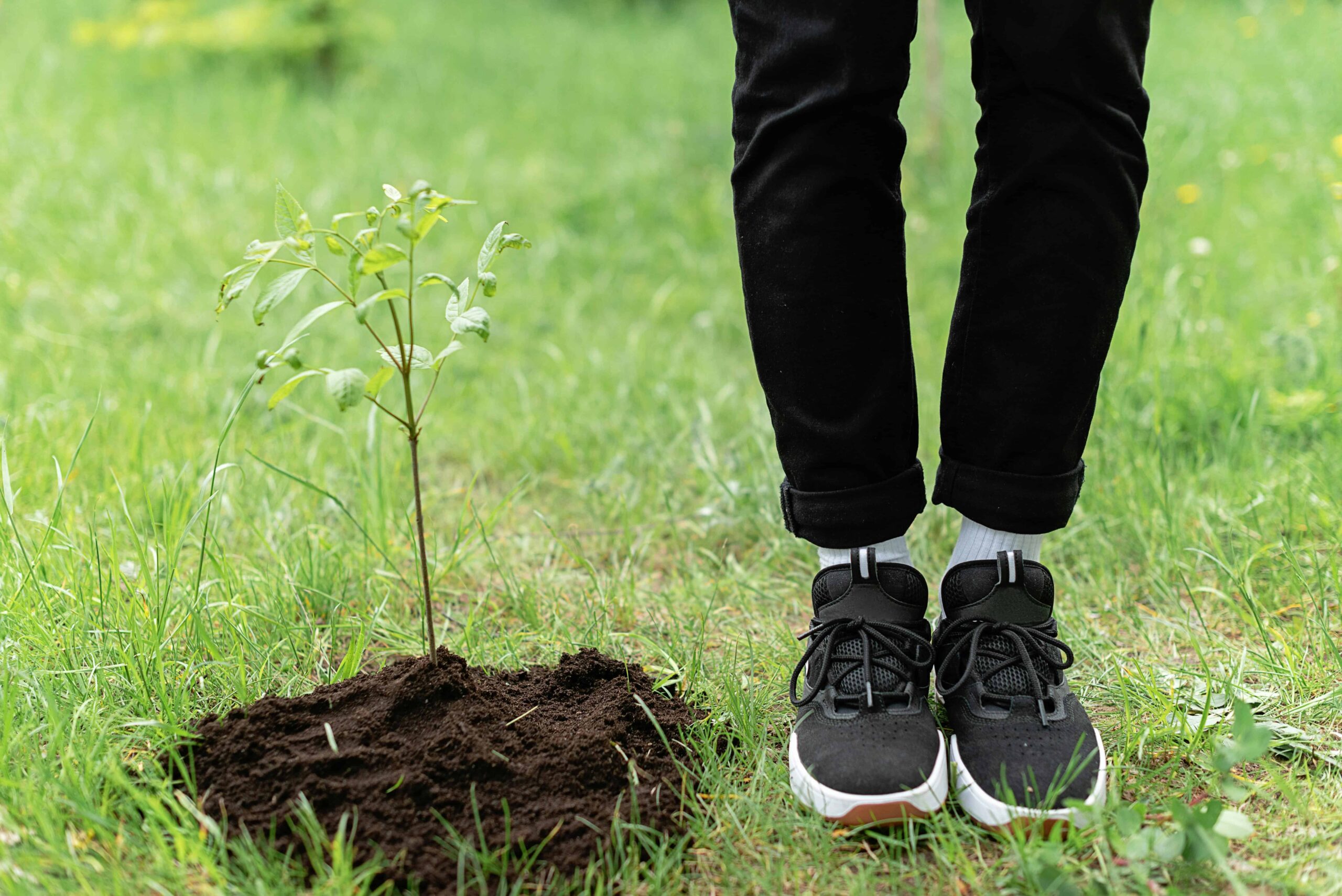
A well-planted tree can completely change the feel of a home. It adds beauty, creates shade, and brings a sense of life and character to the yard. For many homeowners, tree planting is one of the most rewarding outdoor projects because the benefits continue to grow year after year. A young tree planted today can become the centerpiece of your landscape, a shady place for family gatherings, or a natural privacy screen in the future. The key is making thoughtful choices from the beginning. From selecting the right species to giving it the care it needs early on, successful tree planting starts with a solid plan.
Why Tree Planting Is One of the Best Investments for Your Property
Few landscaping projects offer the long-term value that a tree can provide. Trees instantly improve curb appeal by making a yard look more polished and welcoming. Over time, mature trees can also increase perceived property value because they make a home feel established and well cared for.
The benefits go beyond appearance. Shade trees can help cool outdoor living spaces and reduce direct sunlight on the home during warmer months. This can make patios more comfortable and even help with indoor energy efficiency. Trees also create a more peaceful atmosphere, making a property feel more private and inviting.
How to Choose the Right Tree for Your Yard and Climate
Choosing the right tree starts with understanding the purpose you want it to serve. Some homeowners want broad shade over a backyard seating area, while others may be looking for flowering trees that add seasonal color and charm.
It is also important to think long term. A small tree at planting time may eventually grow into a wide canopy with deep roots. Consider the mature height and spread so it has plenty of room away from the house, walkways, and underground lines. Picking a tree that naturally thrives in your climate and soil type gives it the best chance for healthy growth and long-term success.
The Best Time of Year for Tree Planting Success
Timing can make a major difference in how well a tree adapts to its new environment. In most areas, spring and fall are ideal seasons for planting because temperatures are milder and soil moisture is more consistent.
These conditions help roots establish before the stress of extreme heat or freezing temperatures. Planting during the middle of summer often requires much more watering and close attention, especially for young trees that are still vulnerable.
By choosing the right season, homeowners give their trees a stronger start and improve the chances of healthy growth in the years ahead.
Common Tree Planting Mistakes Homeowners Should Avoid
One of the most common mistakes is planting the tree too deep. The trunk flare, where the trunk widens near the base, should remain visible above the soil.
Another issue is poor placement. Trees planted too close to the home, driveway, or fence may create problems as roots spread and branches grow larger over time.
Watering mistakes are also common. While young trees need regular moisture, too much water can be just as harmful as too little. A balanced watering routine and a proper mulch ring around the base help support healthy roots and steady growth.
Step-by-Step Guide to Proper Tree Planting and Early Care
Start by digging a hole that is wider than the root ball so the roots have room to spread outward. The depth should allow the top of the root ball to sit slightly above ground level.
After placing the tree, fill the hole with soil and gently firm it to remove air pockets. Add mulch around the base, leaving a small gap around the trunk to prevent moisture buildup against the bark.
During the first year, consistent watering is the most important part of early care. A strong start during this stage helps the tree establish healthy roots and encourages steady growth.
Setting Your Tree Up for Long Term Success
Planting a tree is one of those decisions that can shape your property for decades to come. The small details such as where it’s placed, how it’s planted, and how it’s cared for early on make all the difference in how well it grows and how it fits into your space over time.
Taking a little extra care during the planning and planting stages can help you avoid common issues like poor drainage, overcrowding, or choosing a tree that outgrows its surroundings. When everything is set up correctly from the start, your tree has a much better chance of growing strong, staying healthy, and adding lasting value to your home.
Done right, tree planting is more than just a weekend project. It becomes an investment in the look, feel, and long term enjoyment of your property.