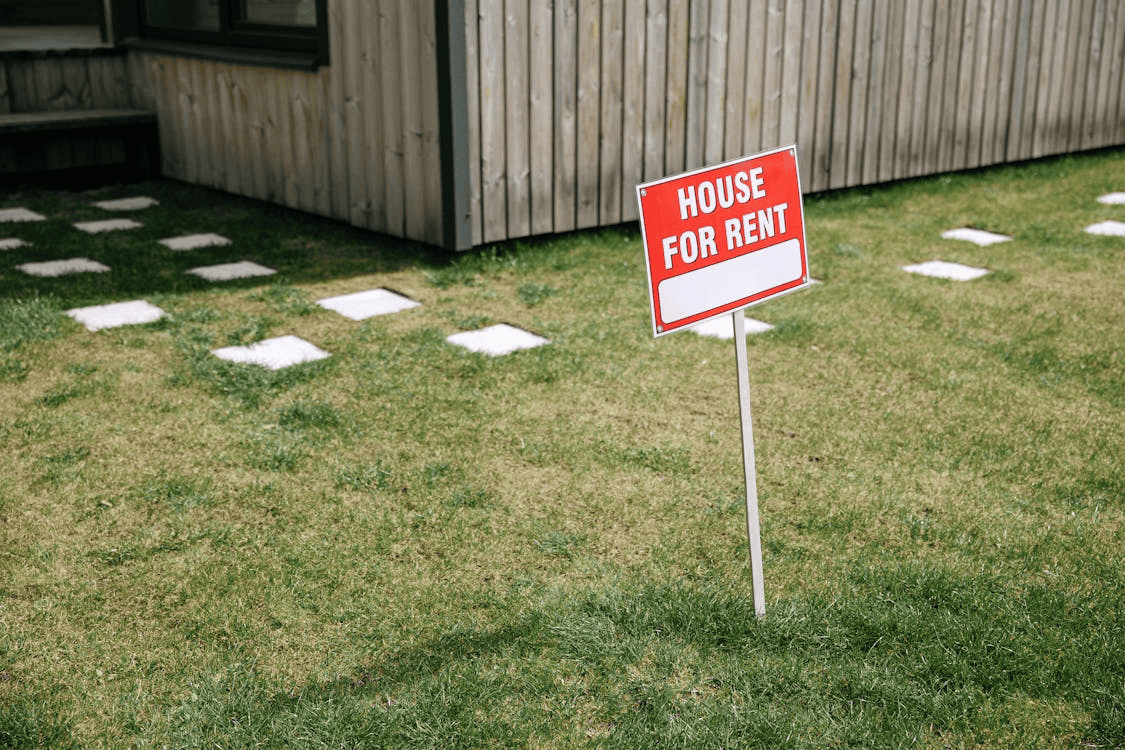
When you’re setting up a rental property for new tenants, you’re basically trying to solve two problems at once. On one side, you want the unit to stand out so it rents fast, but on the other, you also want it to still look good several years from now. The good news is it’s actually pretty easy to make a property look premium without spending a fortune.
From the way the light hits a room to the way the cabinet handles feel, these small touches tell your tenants that this isn’t just another basic rental. It shows them you actually care about the space and their comfort.
Below are some tips for balancing a high-end look with materials that can withstand the wear and tear of daily life.
Select High-Durability, Neutral Flooring
Luxury vinyl plank (LVP) has started to become the gold standard for modern rentals. It provides a high-end hardwood look in the home, but it’s also tough enough to handle spills, pet stains, and heavy furniture. Since LVP is waterproof and scratch-resistant, you won’t have to worry every time a new tenant moves in and out of the building.
One way to make the flooring more practical is to choose a color like a mid-tone wood grain. These types of color shades are great at hiding dust or pet hair that tends to show up between cleanings. If you run the same flooring through the entire unit, it can create a nice, seamless flow. This makes a small apartment feel much bigger and more spacious for renters.
Use the Right Color Palette
Picking out different wall colors is an important part of the home renovation process. While there are plenty of options for outfitting a rental unit, you’ll probably want to avoid a harsh “hospital white” and opt for something warmer, like a soft beige tone. These colors feel much more inviting and high-end rather than clinical or cold.
When applying finishing coats, look for a satin or eggshell paint. These have just enough of a sheen that you can easily wipe off scuffs with a damp cloth or a magic eraser. Taking these easy steps can save you from having to do a full repaint every time someone moves out.
Implement a Layered Lighting Plan
Many outdated rental properties typically come with the same boring overhead lighting that makes the whole place feel a bit out of touch. You can fix this by installing modern flush-mount fixtures or track lighting. You’d be surprised how much this type of home modification can completely change how the room feels and make the architecture look more intentional.
If you want to go the extra mile, put dimmable lights in the living areas. This is a very affordable option that gives tenants more flexibility to adjust the mood, making the space feel more like home. For smaller bedrooms or desk areas, you can also add plug-in wall sconces. They give you that “built-in” look without needing an electrician or drilling permanent holes in the wall.
Maximize Storage with Built-In Solutions
Storage is usually one of the first things people look for when they tour a new rental. One way to help address this need is to make your closets look more appealing by adding double-hang rods or simple adjustable shelves. This type of upgrade shows people that there’s actually room for all their belongings, which can be a huge selling point.
In kitchen areas, think about adding a dedicated pantry space or a sturdy pot rack on the wall. This clears up counter space and can help make a smaller kitchen feel a lot more functional.
Install Easy-Clean Window Treatments
Window coverings are often an afterthought, but they really tie a room together. Those cheaper aluminum blinds tend to bend and break easily, and they’re a nightmare to clean. Replacing them with cordless faux-wood blinds is a much better move for your investment.
These types of improvements give you a clean, high-end look that almost looks like custom shutters. They are also safer for kids and pets since there aren’t any hanging cords.
Designate a Functional Entryway Zone
Creating a specific “drop zone” near the front door is a smart way to protect your walls and floors. You can install a few heavy-duty hooks or a slim floating shelf for keys and mail. This gives tenants a logical place to put things as soon as they walk into the home.
When there’s a designated spot for coats and bags, people are less likely to lean them against the walls. This helps prevent those annoying scuffs and drywall damage that happen over time. It’s a small organizational touch that keeps the rest of the living area feeling tidy and saves you money on paint repairs later.
Invest in Life-Proof Kitchen and Bath Surfaces
When it comes to kitchens and bathrooms, you want surfaces that can handle a lot of use. Materials like marble might look pretty, but they stain and chip way too easily for a rental. Instead, go with quartz or a high-quality laminate. They look just as good but are much more durable for daily life.
In the bathroom, using larger tiles can actually make your life easier because there are fewer grout lines to scrub. If you pick a slightly darker grout color, it won’t show discoloration or age as quickly. These choices mean you won’t have to hire professional cleaners as often, and your surfaces will stay looking new for years.
Attract More Tenants to Your Rental Properties
Taking the time to think through these design details can help you turn a basic rental into a home people actually want to stay in. By being more strategic with your upgrades, you will help yourself to stay competitive in the market and ensure your property investments stay profitable long-term.
Author Information
Author Name: Rebecca Denis
Author Bio:
Rebecca Denis is the Head of Interior Design at Revive Real Estate and an accomplished interior designer with over a decade of experience creating inspired, functional spaces. Known for her refined aesthetic and meticulous attention to detail, Rebecca brings creativity and strategy together to transform everyday interiors into meaningful experiences. She’s built a reputation for turning ideas into inspiring spaces that balance beauty, comfort, and function. Rebecca’s diverse portfolio includes commercial projects, curated show homes, and bespoke custom interiors—each reflecting her belief that thoughtful design can elevate how people live, work, and feel in a space.
Author Headshot: