

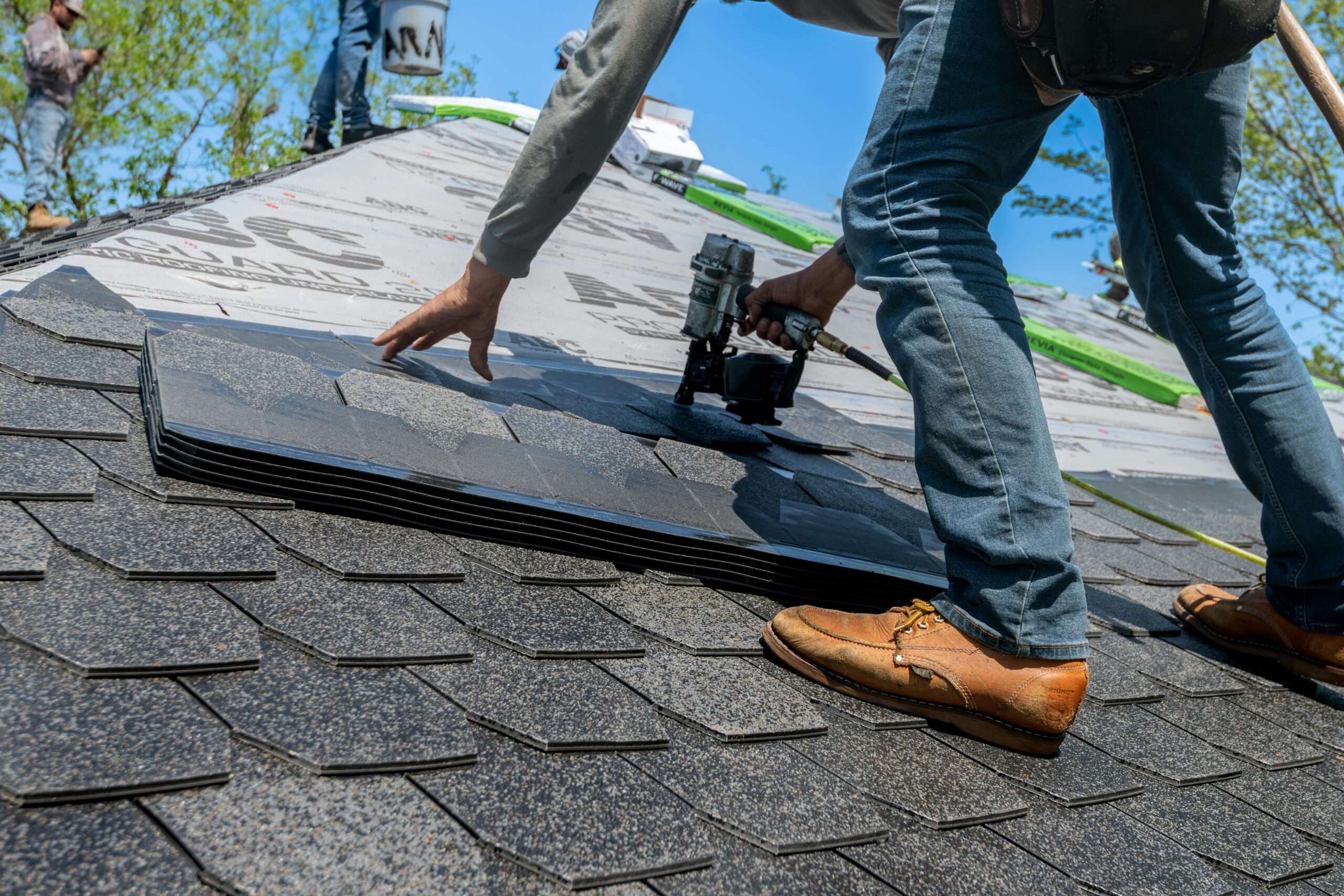
Windstorms in Long Beach, California can leave behind more than a few missing shingles. In a matter of hours, strong coastal gusts can lift roofing materials, crack tiles, loosen flashing, and expose underlayment to moisture. Salt-heavy air and offshore winds add extra stress to already vulnerable areas, increasing the risk of hidden water intrusion. After recent storms, local contractors have reported higher service demand, leading to longer response times for emergency tarping and inspections. Insurance carriers are also requesting clearer documentation before approving permanent repairs.
If your property has been affected, taking the right steps early helps prevent added interior damage and delays. A structured plan keeps repairs organized, supports your insurance claim, and speeds the transition from temporary protection to lasting restoration.
Immediate Safety And Damage Containment
A quick exterior sweep identifies hazards before anyone climbs: downed power lines, unstable tree limbs, detached gutters, or sagging roof sections. Do not authorize access if utilities or structural members look compromised. After hazards are isolated, install a heavy-duty waterproof tarp extending 3–4 feet beyond the damaged area, securing it to solid framing rather than loose shingles. Coastal wind gusts in Long Beach can easily pull unsecured coverings loose, so attachment matters.
Clamp tarp edges with wood battens and corrosion-resistant screws driven into rafters or trusses, avoiding staples or tacks that pull out under pressure. Inspect the perimeter after each storm and keep access restricted until a licensed contractor experienced in roof repair in Long Beach can assess structural attachment points and recommend permanent solutions suited to coastal conditions.
Active Leak Control And Water Diversion
Wind-driven rain in Long Beach often forces water under lifted ridge caps, along valleys, and around flashing transitions. Start by checking chimneys, skylights, vent pipes, and roof edges for gaps or missing fasteners. Even small separations can let in steady moisture during coastal gusts. Apply roofing-grade exterior sealant only as a short-term measure, and clean surfaces first so the patch bonds properly.
Next, focus on drainage performance. Clear packed debris from gutters and flush downspouts with a hose to confirm steady flow. Make sure water discharges at least three feet from the foundation using extensions or splash blocks. Proper runoff reduces siding stains, fascia rot, and soil saturation around the structure.
Decking And Attachment Inspection
Strong uplift pressure can loosen fasteners and stress roof decking, even when surface materials look intact. From inside the attic, check for dark staining, damp insulation, soft sheathing, or visible daylight through nail holes. On the exterior, look for lifted edges along eaves and rakes, where wind pressure is highest. Probe questionable sections gently to identify soft or weakened wood.
If compromised decking is found, replace full panels rather than patching small sections. Use corrosion-resistant ring-shank nails or structural screws fastened directly into rafters. Reinforcing these connection points improves wind resistance and helps the roof assembly meet current coastal uplift standards common in Southern California.
System-Specific Repair Execution
Shingle assemblies that rely on adhesive sealing tabs require full-strip replacement where strips have lifted so new sealing lines can engage properly. Lift surrounding tiles to access cracked pieces and inspect the underlayment; replace damaged felt or synthetic underlayers with matching products and apply corrosion-resistant fasteners in the manufacturer’s pattern to avoid repeat failures.
Low-slope and flat membranes demand removal of saturated membrane and any wet insulation before installing a patch system compatible with the original membrane. Overlap edges to manufacturer specifications, use coastal-grade adhesives and stainless fasteners, and schedule a 30-day follow-up to confirm seams hold under Long Beach moisture and salt exposure.
Insurance Coordination And Permanent Repair Scheduling
Clear documentation makes the claims process smoother. Take high-resolution photos of torn shingles, displaced flashing, and exposed underlayment. Capture both close-up damage and wide shots showing the full roof plane. Note the storm date and record when temporary protection was installed. Detailed images help distinguish recent wind damage from older wear.
After filing the claim, confirm inspection timelines and keep a written communication log with adjusters and contractors. Request written material specifications and labor breakdowns before approving repairs. Once approved, coordinate material delivery early, especially during peak storm seasons when shingles and membrane products can face short supply delays.
Taking the right steps after a windstorm can save time, money, and stress. Instead of rushing into quick fixes, focus on safety first, stop active leaks, and confirm the roof structure is sound before moving to permanent repairs. Address underlying attachment or decking issues so the problem doesn’t return with the next storm. Keep clear photos and written records to support your insurance claim and avoid delays. When you follow a steady, organized plan, your roof can be restored with fewer surprises. Reach out to a licensed roofer for a prompt, documented assessment.