

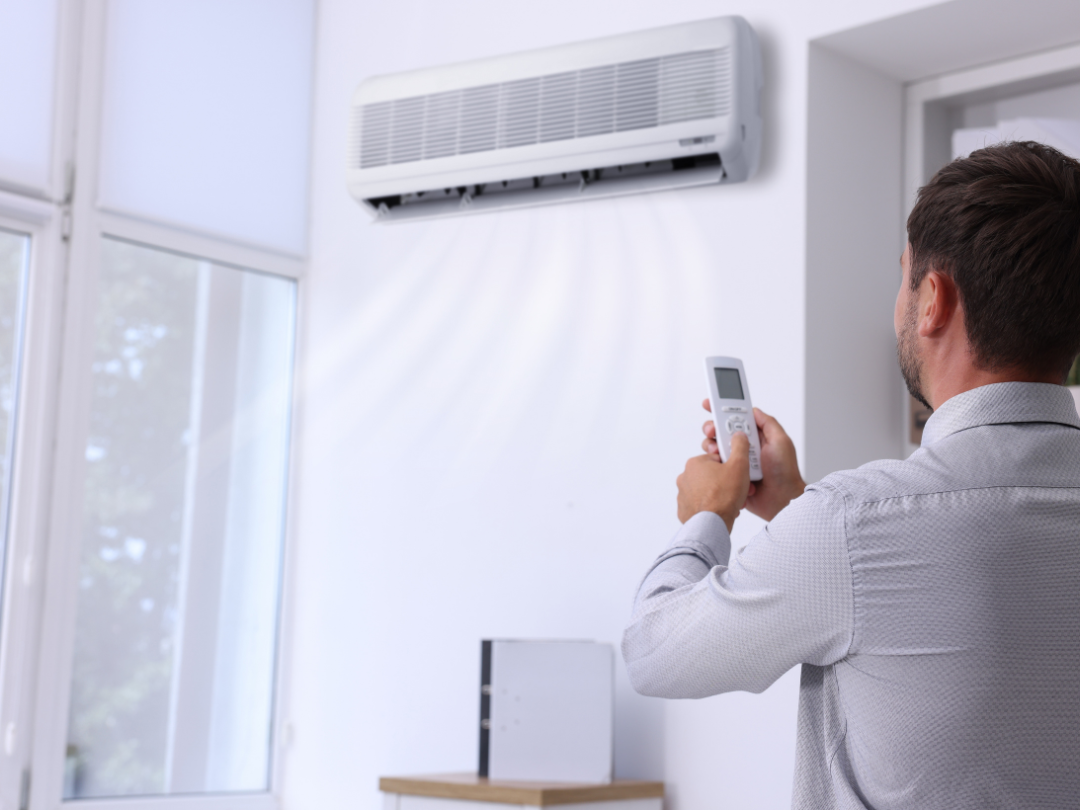
Home maintenance plays a critical role in protecting property value, controlling household expenses, and creating a comfortable indoor environment throughout the year. Across North America, homes are exposed to wide seasonal shifts, from humid summers to freezing winters, placing continuous demand on heating and cooling systems. When maintenance is overlooked, systems work harder, energy consumption rises, and indoor comfort declines. Small inefficiencies that seem minor in the short term often compound over time, gradually increasing operating costs and reducing overall system lifespan.
Heating and cooling systems sit at the center of home efficiency, air quality, and long term structural durability. Routine inspections and system evaluations by a local heating and cooling contractor can help homeowners identify performance issues before they escalate, but ongoing homeowner awareness and preventative care are equally important. Understanding how these systems interact with insulation, airflow, and humidity allows homeowners to make informed improvements that support both comfort and cost control. A properly maintained HVAC system does not simply regulate temperature. It protects building materials from excess moisture, improves indoor air circulation, and stabilizes the overall living environment.
Why Heating and Cooling Systems Matter So Much
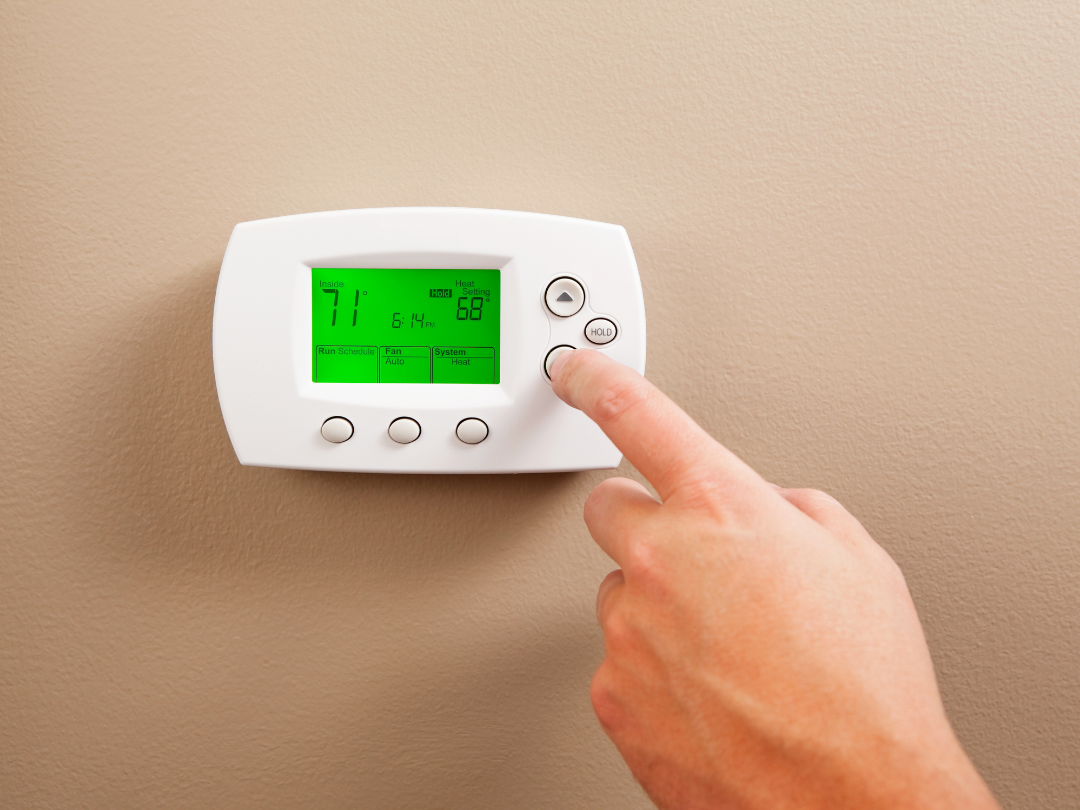
Heating and cooling account for nearly half of the energy use in many North American homes. Because these systems operate year-round in varying capacities, even small inefficiencies can lead to noticeable cost increases over time. Equipment that runs longer cycles consumes more electricity or fuel and places additional strain on internal components such as blower motors, compressors, and heat exchangers.
Beyond temperature control, HVAC systems affect:
- Indoor air quality
- Humidity balance
- Ventilation rates
- Structural protection from condensation and moisture
When systems operate efficiently, airflow is consistent, temperatures remain even, and indoor air feels fresh rather than stale or damp. Proper ventilation reduces indoor pollutant buildup, while balanced humidity prevents excessive dryness or condensation. Conversely, neglected systems may struggle to distribute air evenly, leading to hot and cold spots throughout the home. These inconsistencies often cause homeowners to adjust the thermostat more frequently, which increases overall energy consumption.
Seasonal Maintenance That Protects System Performance
Routine seasonal maintenance is one of the most effective ways to prevent energy waste and unexpected repairs. Many maintenance steps are straightforward and can be performed by homeowners, while others benefit from professional inspection. Establishing a consistent schedule ensures that no key components are overlooked.
Spring and Summer Maintenance Tasks
- Replace or clean air filters every one to three months.
- Remove debris from outdoor condenser units.
- Inspect visible refrigerant lines for damage.
- Ensure vents and returns are unobstructed by furniture.
- Confirm thermostat programming reflects occupancy patterns.
Airflow is especially important during the cooling season. Even partially blocked vents can force systems to run longer cycles to remove heat effectively. Outdoor condenser units must remain clear so they can release heat efficiently. Trimming nearby vegetation and keeping the area clean allows for proper air exchange and optimal cooling performance.
Fall and Winter Maintenance Tasks
- Inspect heating components before peak demand.
- Test carbon monoxide detectors.
- Check exhaust vents and flue pipes for blockages.
- Listen for unusual sounds during startup cycles.
- Monitor humidity levels to prevent dryness or condensation.
Heating equipment operates under sustained demand during colder months. Early inspection helps ensure that burners, ignition systems, and blower assemblies function properly. Monitoring indoor humidity during winter also protects flooring, trim, and furnishings from excessive dryness. Proactive seasonal checks reduce mechanical strain and extend equipment lifespan.
The Impact of Air Filters on Efficiency and Comfort
Air filters may seem minor, but they directly affect airflow and system performance. When filters become clogged, blower motors must work harder to circulate air, increasing energy consumption and potentially shortening system lifespan. Restricted airflow can also lead to temperature imbalances, making certain rooms feel uncomfortable despite thermostat adjustments.
Homeowners should check filters monthly and replace them according to manufacturer recommendations. Selecting the proper MERV rating ensures adequate filtration without restricting airflow. While higher-rated filters capture smaller airborne particles, using a filter that is too restrictive for the system can reduce efficiency. Reviewing system specifications helps maintain the right balance between air quality and performance.
Benefits of clean filters include:
- Improved airflow
- Lower utility costs
- Reduced airborne dust
- Better indoor air quality
Maintaining a consistent filter replacement schedule contributes to steady efficiency gains over time.
Ductwork and Airflow Optimization
Ductwork distributes conditioned air throughout the home, yet it is often hidden in attics, crawlspaces, or basements. Leaky or poorly insulated ducts can reduce overall system efficiency by as much as 20 percent. Conditioned air that escapes before reaching living spaces forces equipment to work harder to achieve the desired temperature.
Common signs of duct problems include:
- Uneven room temperatures
- Excessive dust buildup
- Rising energy bills without increased usage
- Rattling or whistling sounds
Sealing duct joints with appropriate materials and insulating ducts in unconditioned areas can significantly reduce energy loss. In older homes, duct inspection is particularly important because age-related gaps or disconnected joints may go unnoticed for years. Addressing duct inefficiencies often results in noticeable improvements in comfort without increasing equipment output.
Insulation and Air Sealing Improvements
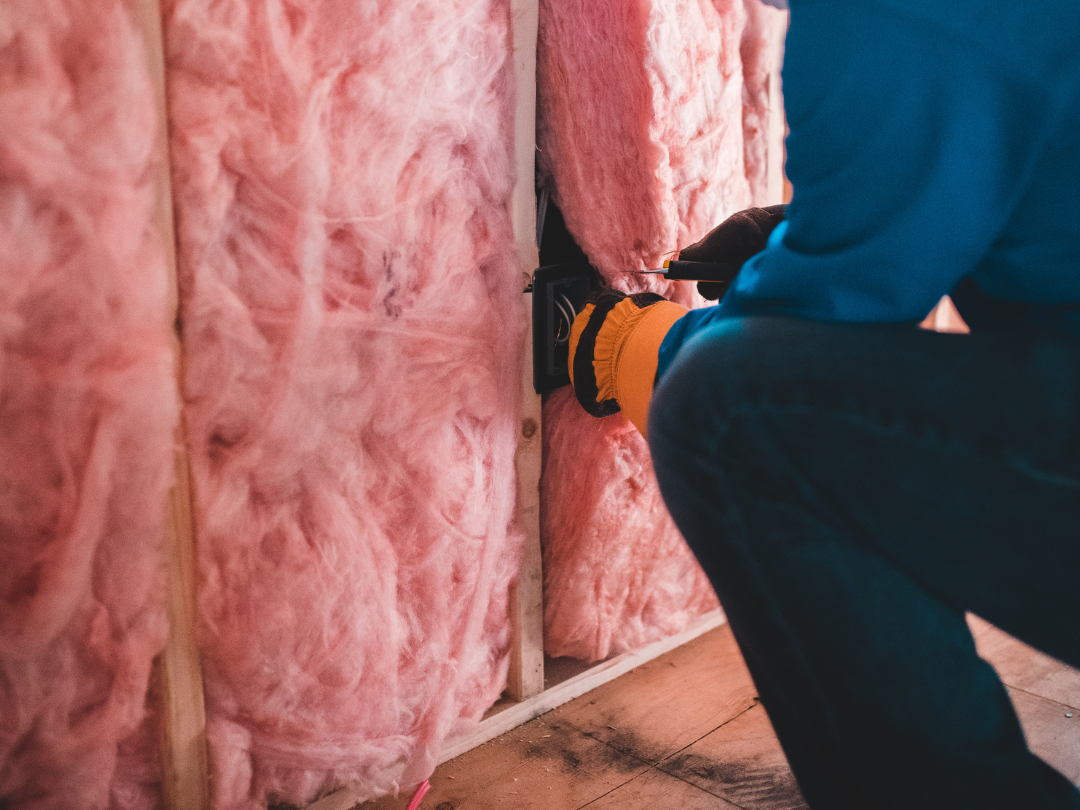
Even the most efficient heating and cooling systems cannot compensate for poor insulation or uncontrolled air leakage. Insulation slows heat transfer, while air sealing prevents conditioned air from escaping through gaps and cracks. Together, these improvements reduce the workload placed on HVAC equipment and help stabilize indoor temperatures.
Areas commonly needing improvement include:
- Attic insulation levels
- Rim joists in basements
- Window and door frames
- Penetrations around wiring and plumbing
Improving attic insulation often yields significant energy savings in colder regions, while sealing air leaks reduces drafts and enhances comfort throughout the home. Simple measures such as weatherstripping doors and sealing small gaps around plumbing penetrations can make a measurable difference in heating and cooling performance.
Thermostat Calibration and Smart Controls
Programmable and smart thermostats allow homeowners to align heating and cooling schedules with daily routines. Proper calibration ensures that indoor temperatures reflect accurate readings rather than being influenced by direct sunlight or nearby heat sources. Incorrect placement can cause unnecessary system cycling.
Recommended strategies include:
- Lowering winter temperatures slightly while sleeping or away
- Raising summer temperatures modestly during unoccupied hours
- Avoiding extreme temperature swings that strain equipment
Smart thermostats can also provide usage data, helping homeowners identify patterns and make gradual adjustments that improve efficiency over time.
Warning Signs Homeowners Should Not Ignore
Identifying problems early helps prevent expensive repairs and prolonged discomfort. Paying attention to small changes in system performance can reduce the likelihood of larger mechanical failures.
Uneven Temperatures
Rooms that feel consistently warmer or cooler may indicate airflow issues, insulation gaps, or duct imbalances.
Rising Energy Bills
A steady increase in energy costs without a change in usage patterns can signal declining system efficiency or aging components.
Unusual Noises
Grinding, rattling, or squealing sounds may indicate mechanical wear or airflow obstructions.
Humidity Problems
Excessively dry winter air or damp summer air suggests an imbalance in system performance or ventilation.
Ignoring these warning signs often leads to greater system strain and higher long-term costs.
Larger System Upgrades and Efficiency Improvements
When equipment approaches the end of its service life, typically 12 to 20 years, homeowners may consider efficiency upgrades. Modern systems often feature improved performance ratings, advanced airflow controls, and more efficient motors.
Efficiency metrics commonly used include:
- AFUE for furnaces
- SEER for air conditioning systems
- HSPF for heat pumps
While replacement represents a significant investment, combining efficient equipment with proper insulation and air sealing can dramatically reduce long term operating expenses. Variable speed motors and zoning systems also enhance comfort by adjusting output based on real-time demand rather than operating at full capacity continuously.
Humidity Control and Indoor Air Quality
Comfort extends beyond temperature alone. Balanced humidity levels generally between 30 and 50 percent support respiratory health, protect wood furnishings, and prevent mould growth. Excess moisture can lead to condensation and structural deterioration, while insufficient humidity can cause discomfort and material shrinkage.
Improvement options may include:
- Whole home humidifiers
- Dehumidification systems
- Balanced ventilation systems
- Regular cleaning of return grilles
By addressing humidity proactively, homeowners create a healthier and more stable indoor environment.
Long-Term Home Value and Preventive Planning
Heating and cooling systems contribute significantly to property value and buyer confidence. Documenting maintenance records and improvements demonstrates responsible ownership and reduces uncertainty during resale.
Keeping organized records of:
- Installation dates
- Seasonal inspections
- Filter replacement schedules
- Efficiency upgrades
provides clarity when evaluating system performance or planning future upgrades. Preventive planning ensures that future replacements can be budgeted appropriately rather than becoming unexpected expenses.
Bringing It All Together
Consistent home maintenance and strategic upgrades improve comfort while helping control long-term energy costs. Heating and cooling systems operate at the center of this equation, influencing airflow, humidity, and temperature balance across every season.
Preventive maintenance combined with insulation improvements, air sealing, and thoughtful system assessments supports both daily comfort and long-term property durability. When homeowners treat heating and cooling performance as part of a broader home improvement strategy, they create living spaces that remain stable, efficient, and comfortable year after year.