

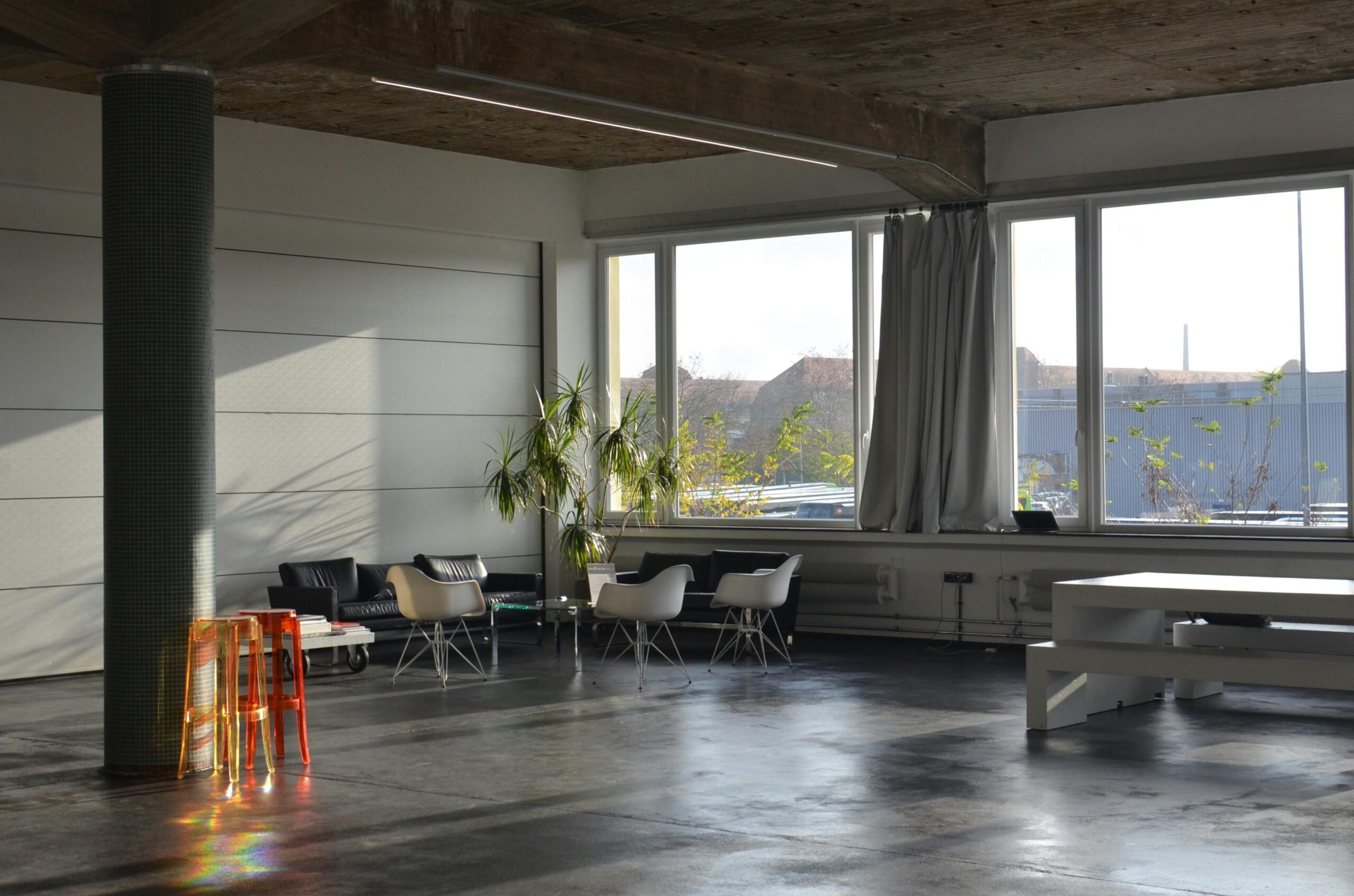
Concrete floors were once viewed as purely functional and often hidden beneath other materials. Today, polished concrete has changed that perception. Through a mechanical refining process, basic concrete slabs can be transformed into smooth, durable surfaces that suit both residential and commercial environments.
Rather than covering the concrete, polishing enhances the existing slab. The result is a seamless floor that feels solid underfoot and offers a clean, contemporary appearance. For property owners comparing flooring options, understanding how polished concrete works can provide helpful context before making a decision.
What Makes Concrete Polishing Different from Other Flooring Options
Unlike tile, hardwood, or carpet, polished concrete is not an added layer. The structural slab itself becomes the finished surface. Using industrial grinding equipment, professionals gradually refine the concrete until it reaches the desired level of smoothness and sheen.
Because the surface is continuous, there are no grout lines or seams where dirt can collect. This creates a streamlined look and reduces areas that require detailed cleaning. The process focuses on improving the performance and appearance of the existing material rather than introducing additional products.
How the Polishing Process Improves Durability
Polished concrete is often associated with shine, but its durability is equally important. During the grinding process, a densifying treatment is applied. This solution reacts with the concrete to increase hardness and reduce surface porosity.
Multiple grinding stages compact and smooth the surface, resulting in improved resistance to abrasion and wear. Compared to untreated concrete, a polished surface generally performs better in areas that experience consistent foot traffic or equipment movement.
Maintenance and Long-Term Care
One reason polished concrete is widely used in both homes and commercial spaces is its relatively simple maintenance. Without coatings, waxes, or fibers, the surface can typically be maintained through regular sweeping and occasional damp mopping.
Because the floor is dense and smooth, spills tend to remain on the surface rather than absorbing immediately. While routine care is still necessary, maintenance requirements are generally straightforward compared to some traditional flooring materials.
Common Residential Applications
In residential settings, polished concrete is often used in basements, kitchens, living areas, and garages. Its clean appearance complements open floor plans and modern design styles. The reflective quality of the surface can also enhance natural light within a space.
Garage floors are another practical application. Polishing can give the space a more finished look while improving resistance to tire marks and surface dusting. Finish levels can range from matte to high-gloss, depending on the desired aesthetic.
Why It’s Popular in Commercial Spaces
Commercial properties frequently use polished concrete due to its balance of durability and appearance. Retail stores, offices, and warehouses benefit from surfaces that can handle regular foot traffic and rolling loads.
The reflective properties of polished concrete may also contribute to brighter interiors. Since the finish is part of the slab itself rather than a surface coating, it does not peel or delaminate in the same way applied finishes sometimes can.
Design Trends in Polished Concrete
Modern polished concrete is no longer limited to a uniform gray finish. Some property owners choose lightly exposed aggregate for added texture, while others incorporate subtle color treatments for variation.
Matte finishes have become popular in residential settings for their softer appearance, while higher-gloss finishes remain common in commercial environments. As design trends continue to favor clean lines and durable materials, polished concrete remains a practical and adaptable flooring option.