

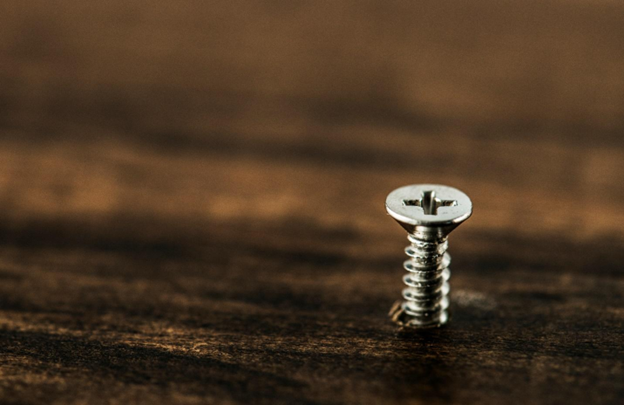
In a world where the construction sector is thriving and there are more DIY projects than ever, we might pay little attention to the small tools that let us take advantage of them. These small tools are represented by screws, which are indispensable for numerous projects worldwide. However, not all screws are designed the same way, which can draw the line between a sturdy project that lasts and one that weakens over time. This difference is determined by the type of screw you choose for your project. If you are looking for quality and durability, it is a much better idea to consider a commercial-grade wood screw.
In this article, we will take a look at the main factors that differentiate a commercial-grade wood screw from standard screws. Ready to explore more? Keep reading.
Material strength and durability
Among the most obvious differences between commercial-grade wood screws and regular ones is the material they are made of. Material not only affects the visual appeal of the screw but also other essential factors, such as operational safety, structural integrity, and long-term reliability.
Commercial-grade wood screws are designed for strength and durability, which is why they often last longer than standard screws. The material of wood screws will have a lot to say about the longevity and corrosion resistance of the screw.
Steel is among the most commonly used materials for high-strength wood screws, available in carbon steel or stainless steel.
Carbon steel
Carbon steel has good shear and tensile strength, so it is well-suited for demanding structural applications. Plus, carbon steel screws can become even more durable through more advanced heat-treatment processes. However, this material has a downside: it can be susceptible to corrosion and rust, and because of this, to resist outdoor and humid conditions, it actually needs a protective coating.
Stainless steel
Stainless steel offers superior corrosion resistance, so it can be used in humid conditions. Wood screws made from stainless steel are perfect for outdoor decking, marine environments, and other chemical processing areas. Stainless steel offers substantial strength and is particularly well-suited for structures operating in harsh conditions.
The material used is one of the main differentiators between commercial-grade wood screws and standard ones. Standard screws are usually made of brass or bronze, which offer only moderate strength.
Specialized coating
Premium screws also consider specialized coating when they are designing their screws, which might not be present in standard screws. If it is present, it is usually a lower-quality plating that won’t resist much and will compromise corrosion protection. Instead, commercial-grade wood screws have different coatings that extend the screw lifespan and save it from corrosion. Here are some examples of coating:
- Zinc plating: Zinc plating is a very popular coating that is cost-effective and offers the screw basic corrosion resistance. It is suitable mostly for indoor use or slightly humid environments.
- Polymer Coating: Polymer coating offers higher corrosion resistance and UV protection.
- Ceramic coating: Ceramic coating is usually more durable than zinc plating and can also reduce driving torque.
- Hot-dip galvanization: This is a thick, durable zinc coating that offers maximum corrosion protection, making it especially suitable for heavy-duty outdoor use.
Thread design
The tread design is another factor that distinguishes commercial-grade wood screws from standard screws. Here are some examples of thread design:
- Coarse threads: Coarse threads are present on both construction screws and standard wood screws, and they bite aggressively into the wood surface. It is especially suitable for softer woods and offers both pull-out resistance and a strong mechanical interlock.
- Fine threads: Specialty and premium screws also use fine threads for denser materials that require even more precise adjustments.
Besides the design, the thread depth is also essential; deeper threads offer a stronger grip by engaging more wood fibers. Plus, commercial-grade wood screws have also started improving their designs, offering optimized performance. For instance, modern wood screws now also have self-drilling and self-tapping features. Thanks to these features, labor effort and installation time will be reduced significantly.
Tip and shank
The tip and shank are other elements present in wood screws, and also show some differences between commercial-grade and standard ones. The tip has an essential role in penetrating the wood, while the shank creates a strong compression. Commercial-grade wood screws usually have sharp, defined points, which is why they offer a precise start. They also have a thicker shank to take advantage of increased friction. In comparison, the standard ones can have a full thread or less precise points, which can result in splitting.
The Drive Type
The drive type also matters. Commercial-grade wood screws usually use Pozi (PZ) or Star (Torx) heads, which help prevent stripping. Then, standard screws are often using slotted or Phillips heads, which are much more prone to stripping.
Conclusion
When you are looking for wood screws, you shouldn’t pick the first one that you see in a shop, as you might not benefit from great durability. Instead, it is much better to research beforehand and identify the main differences between commercial-grade wood screws and standard ones. The type of screws you choose will greatly affect the longevity of your project.
So, take a look at factors like the project’s wood type, the screw material, environmental considerations, and the head and drive style. The main difference between a commercial-grade wood screw and a standard one is that commercial ones offer a higher level of quality. The commercial-grade wood screws are designed with performance in mind and are perfect for demanding situations and the integrity of the projects.
Even though commercial-grade wood screws may require an initial investment, they offer greater long-term benefits. Plus, they are known for their superior performance, and you can actually rely on them all the time, unlike standard ones.
What’s your opinion? Which type of screws do you pick for your wood projects?